
Quick overview of the stomach infection symptoms that you should look out for
The most common symptoms of stomach flu are:
Diarrhea Frequent, loose, or watery bowel movements.
Nausea and vomiting Feeling sick to the stomach, sometimes leading to throwing up.
Loss of appetite Reduced desire to eat or lack of interest in food.
Pain and cramping in the abdomen Discomfort or sharp sensations in the stomach area.
If your infection worsens or your immune response intensifies, you may develop systemic symptoms. These are caused by inflammation that extends beyond the digestive tract, indicating an advanced stage of the body’s immune response to the virus.
Systemic symptoms may include:
- Fever.
- Chills.
- Fatigue.
- Experiencing body aches.
- Headaches.
- Swollen lymph nodes.
If your child shows any of these symptoms, seek medical help immediately:
- Frequently experiences vomiting.
- There has been no wet diaper for six hours.
- Experiencing bloody stools or severe diarrhea.
- Has a sunken soft spot (fontanel) on top of their head.
- Experiences dry mouth or crying without tears.
- Appears unusually sleepy, drowsy, or unresponsive.
- Has a fever of 102°F (38.9°C) or higher.
- Appears exhausted or highly irritable.
- Experiencing a lot of discomfort or pain
- Experiencing bloody diarrhea
If you have an infant, keep in mind that while spitting up is common, vomiting is not. Babies vomit for different reasons, many of which may require medical care.
What exactly is stomach flu?
Stomach flu is a viral infection impacting your stomach and intestines. The medical term for this condition is viral gastroenteritis, where “Gastro” refers to the stomach, “enter” refers to the small intestine, and “itis” indicates inflammation, typically caused by an infection. “Viral” signifies that a virus is the cause of the disease.
Stomach flu causes gastrointestinal (GI) symptoms like diarrhea, abdominal cramps, and nausea. It is often called a “stomach bug.” While usually thought of as a virus, a stomach bug can also be caused by bacteria or parasites, though the symptoms are similar. It can be challenging to determine whether a virus or another pathogen causes your illness.
Why is viral gastroenteritis sometimes called the “stomach flu”?
Stomach flu is distinct from influenza, which is a respiratory viral infection. Different viruses cause these illnesses and target various parts of the body. Both are common viral infections that spread during the same “flu season,” leading people to often use “flu” as a generic term for being sick. Although a stomach bug isn’t always viral, it’s likely to be, so calling it “stomach flu” is probably accurate.
What are the causes of a stomach infection?
You are most likely to contract viral gastroenteritis from consuming contaminated food or water. The risk also increases if you share utensils, towels, or food with someone infected with one of the viruses responsible for the condition.
Many viruses can lead to viral gastroenteritis, including:
1. Noroviruses
Noroviruses infect both children and adults. Most often, the virus is contracted through contaminated food or water; however, it can also spread through close contact or the sharing of food. Additionally, touching a contaminated surface and subsequently touching your mouth or nose can lead to infection.
2. Rotavirus
It primarily affects children who frequently infect themselves by putting fingers or contaminated objects in their mouths. It can also be transmitted through contaminated food. Infants and young children usually experience the most severe symptoms.
3. Astrovirus.
Astroviruses primarily infect children under 3 years old. They frequently spread in daycare centers and can also be transmitted in nursing homes for older adults.
4. Adenovirus.
Adenoviruses typically cause respiratory infections but can also lead to gastrointestinal infections if accidentally ingested. They infect people of all ages.
Some shellfish, especially raw or undercooked oysters, can lead to illness. Viral diarrhea is also transmitted through contaminated drinking water. Often, the virus spreads when an infected person touches food without washing their hands after using the toilet.
How is stomach flu diagnosed?
Your doctor will likely diagnose viral gastroenteritis (stomach flu) by evaluating your symptoms, performing a physical examination, and sometimes considering whether similar cases have occurred in the area. A quick stool test can identify rotavirus or norovirus, but no rapid tests exist for other viruses that cause gastroenteritis. Occasionally, your doctor may request a stool sample to rule out bacterial or parasitic infections.
What are the treatments for stomach flu?
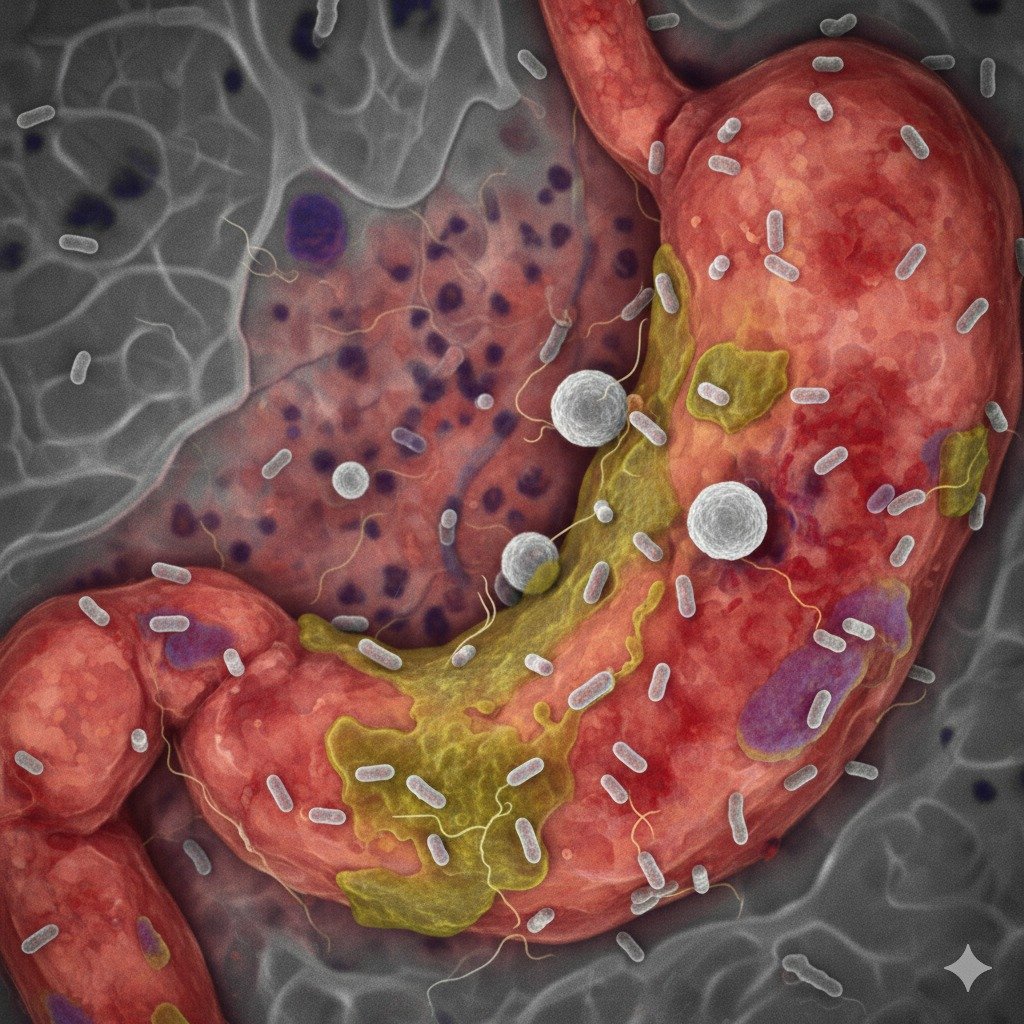
Viral gastroenteritis typically lacks a targeted medical treatment, as antibiotics are ineffective against viruses. The primary approach involves self-care, such as maintaining hydration.
To ensure you remain comfortable and prevent dehydration during your recovery, consider the following tips:
- Increase your fluid intake: by aiming to drink a cup of water every hour. Young children should have a smaller amount more frequently, such as every 30 minutes. Ice popsicles are another way to encourage your child to drink fluids if they’re not getting enough.
- Encourage rehydration by using electrolytes: You can dissolve oral rehydration solutions in water or try sports drinks, which help restore the minerals and fluids your body has lost.
- Eat easily digestible foods: like rice, potatoes, toast, and bananas to help regain energy without upsetting your stomach.
- Avoid certain foods and substances: until you start to feel better. These include caffeine, alcohol, and nicotine, as well as greasy, heavily seasoned foods, and those high in sugar or fat.
- Make sure to get plenty of rest: When you are sick, it is essential to allow your body sufficient time to recover. Adequate rest is necessary for complete healing.
- Consider using anti-diarrhea medicines: Some adults may find relief with loperamide (Imodium A-D) or bismuth subsalicylate (Pepto-Bismol or similar). However, avoid these if you experience bloody diarrhea or fever, as these could indicate other issues.
How can you prevent stomach flu?
The most effective way to prevent the spread of intestinal infections is to follow these precautions:
- Ensure your child receives vaccination. A rotavirus vaccine is available worldwide to prevent gastroenteritis. When administered during the first year, the vaccine appears effective in preventing severe illness symptoms.
- Wash your hands thoroughly and ensure your children do the same. If your children are older, teach them to wash their hands, particularly after using the toilet.
- Remember to wash your hands with soap after changing diapers and before preparing or eating food. When soap and water are not available, keep sanitizing wipes and hand sanitizer nearby.
- Use separate personal items around your home, and avoid sharing eating utensils, glasses, or plates. Also, use separate towels in the bathroom.
- Make sure to prepare food safely by washing all fruits and vegetables before consumption. Clean kitchen surfaces thoroughly before preparing food on them. Do not prepare food if you are feeling unwell.
- Maintain your distance. Stay away from anyone with the virus if you can.
- Disinfect hard surfaces such as counters, faucets, and doorknobs by using household bleach mixed with water if someone in your home has viral gastroenteritis.
- Avoid handling laundry that could be contaminated with a virus. If someone in your household has viral gastroenteritis, wear gloves when handling laundry to prevent the spread of germs. Wash clothes and bedding in hot water and dry them on the highest heat setting. Always wash your hands thoroughly after touching laundry.
- Visit your child care center and confirm it has dedicated spaces for diaper changes and food preparation or serving. The diaper-changing area should be equipped with a sink and a proper disposal method for diapers.
Check Your Stomach Flu Symptoms Now
Living with stomach flu
Almost everyone experiences stomach flu at some stage. Since multiple viruses and strains can cause it, and immunity to a specific strain is temporary and does not last long, stomach flu may recur. Children in daycare, schools, and those in care facilities are more susceptible, often experiencing more severe symptoms. For most, stomach flu is uncomfortable but passes quickly. Yet, it can be serious for some individuals. If you are caring for a child or an older adult with stomach flu, monitor for signs of dehydration and consult a doctor. Take measures to protect yourself and prevent the spread of the virus to others.
Frequently asked questions
When should you consult a healthcare provider regarding stomach flu?
Contact a healthcare provider if your symptoms persist beyond four days, such as a high fever (above 102°F or 39°C) for four days, inability to pee for two days, suspected dehydration, blood in stool, or severe abdominal pain.
When can I expect to start feeling better?
Most people notice an improvement in their symptoms within a few days. Contact a doctor if your symptoms do not improve. Individuals with weaker immune systems may require treatment for dehydration or medication to alleviate their symptoms. If you are not seeing improvement, it could indicate a different condition.
Who is at risk of contracting stomach flu?
Anyone can contract the stomach flu, but specific individuals are at greater risk. Those with weaker immune systems are more susceptible to infections and more likely to experience severe symptoms. A weakened immune system can result from chronic diseases that affect the immune system or the use of immunosuppressant medications. Additionally, infants and elderly individuals are more vulnerable to infections.
How can you tell the difference between the stomach flu and food poisoning?
Stomach flu and food poisoning are both infections that cause gastroenteritis, characterized by similar symptoms. Their names indicate their causes: viral gastroenteritis is caused by a virus. At the same time, food poisoning results from consuming contaminated food that may be infected by a virus or other agents. Food poisoning can lead to stomach flu if a virus from contaminated food infects you, so the terms sometimes overlap. However, bacterial contamination also causes food poisoning, which differs in some ways from stomach flu.
How does stomach flu differ from influenza?
Stomach flu is different from the flu (influenza), which affects your respiratory system. The flu shot does not protect against stomach flu because they are caused by different viruses that target other parts of the body. Although their symptoms generally differ, some can share similar characteristics. Influenza typically causes respiratory symptoms, such as congestion, a sore throat, or a runny nose, while stomach flu causes gastrointestinal symptoms, including diarrhea, nausea, and vomiting. Both illnesses may also cause systemic symptoms, such as fever and fatigue. Children can experience some gastrointestinal symptoms with either condition.