
Quick overview of symptoms related to stomach cancer
Signs and symptoms of stomach cancer can include:
Difficulty Swallowing Trouble passing food or liquids from the mouth to the stomach.
Stomach Pain Discomfort or aching sensation in the abdominal area.
Feeling Bloated After Eating A sense of fullness or swelling in the abdomen following meals.
Feeling Full Quickly Becoming full after eating only a small amount of food.
Loss of Appetite Not feeling hungry when you would normally expect to be.
Heartburn A burning sensation in the chest caused by stomach acid rising into the esophagus.
Indigestion Ongoing discomfort or irritation in the upper abdomen, often after eating.
Nausea A feeling of sickness or urge to vomit.
Vomiting Forcing the contents of the stomach up through the mouth.
Unintentional Weight Loss Losing weight without trying or changing diet/exercise habits.
Extreme Fatigue Persistent and unusual tiredness or lack of energy.
Black Stools Stools that appear dark or tar-like, which may indicate internal bleeding.
Stomach cancer frequently remains asymptomatic in early stages. When symptoms emerge, they may involve indigestion and upper stomach pain, often not appearing until the cancer has progressed. In advanced stages, symptoms can include severe fatigue, unexplained weight loss, vomiting blood, and black stools.
What exactly is stomach cancer?
Stomach cancer, or gastric cancer, involves the abnormal growth of cells in the stomach. The stomach is situated in the upper center of the abdomen, just beneath the ribs, and plays a vital role in breaking down and digesting food.
Stomach cancer can develop in any part of the stomach. Globally, cancers that arise away from the gastroesophageal junction (non-cardia) are more common. Still, in the US, most stomach cancers occur at the gastroesophageal junction, where the esophagus, the long tube that carries food from the mouth to the stomach, connects to the stomach. The relative frequencies of stomach cancer locations differ by region and have changed over time.
Doctors consider where the cancer starts in the stomach when creating a treatment plan. They also look at factors such as the cancer’s stage and cell type. Treatment typically involves surgery to remove the stomach cancer, with additional therapies possibly given before and after surgery.
Treatments for stomach cancer are generally more effective when the cancer remains limited to the stomach. Patients with small tumors usually have a good outlook, with many expecting a complete cure. However, because most stomach cancers are found at an advanced stage, curing them is often more difficult. When the cancer spreads beyond the stomach wall or to other parts of the body, treatment options become more complex.
What are the causes of stomach cancer?
Stomach cancer occurs when a genetic mutation changes the DNA in your stomach cells. The exact cause of this mutation remains unknown, but certain risk factors appear to raise the likelihood of developing stomach cancer. These include:
- Family history of stomach cancer.
- Chronic Helicobacter pylori (H. pylori) infection.
- Gastroesophageal reflux disease (GERD).
- Gastritis.
- Epstein-Barr virus infection.
- History of stomach ulcers or polyps.
- A diet rich in fatty, salty, smoked, or pickled foods.
- A diet that lacks sufficient fruits and vegetables.
- Regular exposure to substances such as coal, metal, and rubber.
- Smoking or chewing tobacco products.
- Drinking excessive amounts of alcohol.
- Obesity.
- Autoimmune atrophic gastritis.
What are the methods used to diagnose stomach cancer?
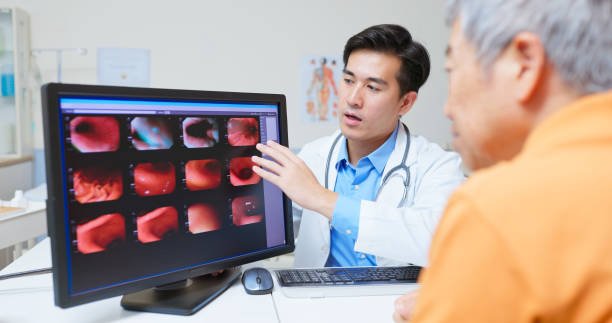
Your doctor will review your medical history, ask about your symptoms, and perform a physical exam, possibly including palpation of your abdomen to check for a mass. They might also order different tests to diagnose and stage stomach cancer, such as:
- Upper endoscopy: is a widely used technique to detect stomach cancer.
- Endoscopic ultrasound: is a specialized form of endoscopy that helps determine the stage of cancer. This method can reveal whether the cancer has spread from the stomach lining to the stomach wall.
- Radiologic tests: such as CT scans, barium swallow, and MRI help identify tumors and other abnormalities associated with cancer. A PET scan can show whether cancer has spread throughout your body.
- Blood tests: can reveal how well your organs are working. Impaired organ function might indicate that cancer has spread to that organ.
- Laparoscopy: is a surgical procedure that enables your provider to evaluate cancer spread when less invasive methods, like imaging, do not give enough information.
What treatment options are accessible?
Treatment varies based on how much the cancer has spread, your overall health, and your personal choices. Usually, a team of doctors, including your primary care doctor, an oncologist, and a gastroenterologist, will help you explore your treatment options.
Surgery
Your doctor might suggest surgery to remove precancerous cells, a tumor, or part or all of your stomach, depending on the extent of the cancer spread.
- Upper endoscopy: In early stages when the cancer is limited to the superficial layers of the stomach, the tumor can be removed through an upper endoscopy.
- Gastrectomy: involves the surgical removal of all or part of the stomach when the tumor extends beyond its surface layers.
Other treatments
Additional treatments specifically target cancer cells.
- Chemotherapy (chemo): involves using drugs to reduce cancer cell size, facilitating their removal prior to surgery. It can also eliminate any leftover cancer cells after surgery.
- Radiation: uses concentrated energy beams, like X-rays, to target and destroy cancer cells. It can also help reduce symptoms.
- Targeted drug therapy: aims at specific weaknesses in cancer cells to induce their death. It is frequently used alongside chemotherapy for recurrent or advanced cancers.
- Immunotherapy: helps your immune system identify and destroy cancer cells that are hard to detect. It is most commonly used for recurrent or advanced cancers.
- Palliative care: offers specialized medical support from doctors, nurses, and other specialists that focuses on alleviating symptoms. It can be provided alongside other treatments.
What are the ways to prevent stomach cancer?
To lower your chances of developing stomach cancer, consider doing the following:
- Consume a sufficient amount of fruits and vegetables regularly. Make sure to incorporate a diverse range of colorful produce into your daily diet.
- Reduce your consumption of salty and smoked foods, and excessive use of pickles, to safeguard your stomach.
- Stop smoking. If you already smoke, try to quit immediately. If you don’t smoke, stay that way by avoiding starting. Smoking increases your risk of stomach cancer and other types of cancer. Quitting can be difficult, so seek help from your healthcare provider. There are also many support groups available that you can join.
- Tell your doctor if stomach cancer runs in your family. People with a strong family history might need screening that can find stomach cancer before symptoms show.
Check Your Stomach Cancer Symptoms
Living with stomach cancer
If you face a higher risk of stomach cancer, talk to your doctor about the benefits and possible dangers of regular screening. Otherwise, monitor your symptoms. Other health issues can cause many signs of stomach cancer, so only a healthcare professional can determine the actual cause. See your doctor if you experience symptoms like stomach pain, unexplained weight loss, or other signs, including difficulty eating, diarrhea, nausea, or bloody or black stools. Although stomach cancer isn’t always preventable, early detection can result in better treatment outcomes. Depending on your diagnosis, your doctor might recommend surgery to remove cancerous tissues or tumors, or suggest combination therapies to combat the cancer. Your prognosis depends on several factors, so discuss these thoroughly with your healthcare provider. Don’t hesitate to ask about treatment options, their benefits, and risks. Seek your doctor’s advice to better understand your diagnosis and what it means for you.
Frequently Asked Questions
Is stomach cancer treatable?
Early detection of stomach cancer can lead to a cure. Unfortunately, diagnosis is often delayed until symptoms appear, which can affect prognosis. Discuss with your healthcare provider the factors that affect your treatment success.
Do you notice any tumors in your stomach?
Your provider might detect a mass in your stomach during a physical exam, depending on how advanced the cancer is. However, more often, symptoms involve noticing sensations in your stomach. You might frequently feel swollen, full, or painful. The pain can begin as mild and become more severe as the disease advances.
How often does stomach cancer happen?
Stomach cancer ranks as one of the most common cancers globally. Still, it is less frequent in the U.S. With approximately 1.5% of cases diagnosed annually, the incidence has been steadily declining over the past decade.
Who is impacted by stomach cancer?
Anyone can develop stomach cancer, but your risk increases with specific demographic factors. The likelihood is higher if you are 65 or older, male, or of South or Central American or Eastern European ethnic background.
What is the usual recovery period after stomach cancer surgery?
Recovery time depends on the type of surgery, the patient’s age, and overall health. Typically, patients undergoing a partial gastrectomy stay in the hospital for about 3 to 5 days, whereas those having a total gastrectomy may require a week or more to recover. After leaving the hospital, most patients should rest extensively and avoid strenuous activities for several weeks.