
Common early signs of a fever
Depending on the cause of the fever, additional signs and symptoms may include:
- Sweating Excessive perspiration.
- Chills and shivering Feeling cold and shaking uncontrollably.
- Headache Pain or pressure in the head.
- Headache Pain or pressure in the head.
- Muscle pains Soreness or discomfort in muscles.
- Loss of appetite Reduced desire to eat.
- Irritability Feeling easily annoyed or agitated.
- Dehydration Lack of sufficient fluids in the body.
- General weakness Overall feeling of fatigue or low energy.
Not sure these symptoms match yours?
Try our FREE symptoms checker to compare what your pain might
What Is a Fever?
A fever occurs when your body temperature rises above the normal range, typically around 37°C (98.6°F). It’s usually triggered by your immune system in response to infections such as viruses, bacteria, or other medical conditions.
Your body raises its temperature intentionally to create an environment where harmful organisms struggle to survive. This means a fever is often a protective mechanism rather than a problem on its own.
Common Fever Symptoms
Fever rarely appears alone. It is usually accompanied by a variety of physical and behavioral changes, including:
1. Elevated Body Temperature
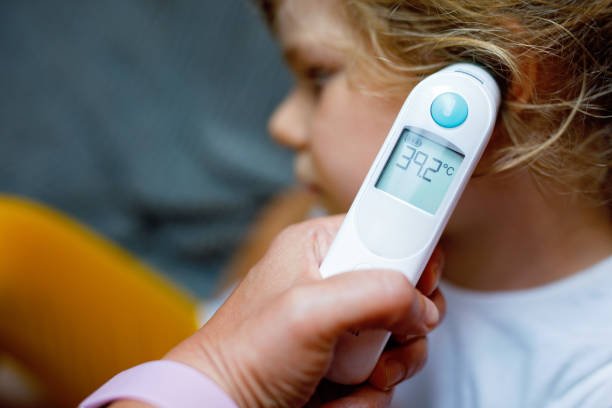
This is the most obvious sign. A temperature above 38°C (100.4°F) is generally considered a fever.
2. Chills and Shivering
Even when your body is hot, you may feel cold. This happens because your body is trying to raise its internal temperature.
3. Sweating
As your fever breaks, your body cools down through sweating.
4. Headache
Increased temperature and inflammation often lead to persistent headaches.
5. Muscle Aches
Body aches are common during infections, especially viral illnesses like flu.
6. Fatigue and Weakness
Your body uses energy to fight infection, making you feel tired and drained.
7. Loss of Appetite
You may feel less interested in food as your body prioritizes healing.
8. Dehydration
Fever increases fluid loss, leading to dry mouth and reduced urination.
What Your Fever Symptoms Could Mean
Fever symptoms can vary depending on the underlying cause. Here’s what your body might be signaling:
Mild Fever (Low Grade Fever)
Often indicates minor infections such as colds or mild viral illnesses.
High Fever
Could signal more serious infections like bacterial infections or severe viral conditions.
Fever with Rash
May be associated with conditions like viral infections, allergies, or autoimmune disorders.
Fever with Persistent Cough
Could indicate respiratory infections such as flu, bronchitis, or pneumonia.
Fever with Digestive Issues
Symptoms like nausea or diarrhea may suggest gastrointestinal infections.
Confused about your symptoms? Use SymptomsFinder.com to check what your body might be telling you and get clarity in seconds.
Still unsure what's causing your symptoms?
Causes of Fever
Understanding the cause behind fever symptoms is crucial for proper treatment. Common causes include:
1. Viral Infections
Such as flu, COVID-19, and common cold.
- Inquire about your symptoms and medical background.
- Conduct a physical examination.
- Collect samples from the nasal passage or throat to test for respiratory infections.
- Order tests, such as blood tests or a chest X-ray, as needed, based on your medical history and physical exam.
2. Bacterial Infections
Including urinary tract infections, strep throat, and pneumonia.
3. Inflammatory Conditions
Autoimmune diseases can trigger fever as part of inflammation.
4. Heat Exhaustion
Prolonged exposure to high temperatures can raise body temperature.
5. Medications
Certain drugs may cause fever as a side effect.
When Should You Be Concerned?
While most fevers are harmless, some situations require immediate medical attention:
- Fever above 39.5°C (103°F)
- Fever lasting more than 3 days
- Severe headache or stiff neck
- Difficulty breathing
- Persistent vomiting
- Confusion or seizures
For children and elderly individuals, even mild fever symptoms should be monitored closely.
How to Manage Fever at Home
Most fevers can be managed effectively at home with simple care:
Stay Hydrated
Drink plenty of water, soups, and electrolyte fluids.
Not sure these symptoms match yours?
Try our FREE symptoms checker to compare what your pain might
Rest
Allow your body to recover by getting enough sleep.
Use Fever Reducing Medication
Over the counter medicines like paracetamol can help reduce discomfort.
Keep Cool
Wear light clothing and maintain a comfortable room temperature.
Why You Shouldn’t Always Suppress a Fever
Fever is part of your body’s defense system. Suppressing it too quickly may slow down the healing process. Instead, focus on comfort unless the fever becomes too high or prolonged.
Living with the fever
Take control of your health today. Visit SymptomsFinder.com to identify symptoms early and make informed health decisions with confidence.
Still unsure what's causing your symptoms?
Frequently Asked Questions
What temperature is considered a fever?
A body temperature above 38°C (100.4°F) is generally considered a fever.
Is fever dangerous?
Most fevers are not dangerous, but very high or prolonged fevers can be serious.
Why do I feel cold during a fever?
Chills occur because your body is raising its internal temperature.
How long should a fever last?
Most fevers last 1 3 days. Longer durations may require medical evaluation.
Can dehydration cause fever?
Dehydration itself doesn’t cause fever but can worsen symptoms.