
Quick overview of the thyroid symptoms
Symptoms of hypothyroidism include:
- Unusually slow heart rate.
- Feeling fatigued.
- Unnecessary weight gain that lacks explanation.
- Increased sensitivity to cold.
- Dry skin and coarse, dry hair.
- A feeling of depression.
- Heavy menstrual bleeding (menorrhagia).
Either condition can lead to an enlarged thyroid (goiter), though it is more frequently seen in hyperthyroidism.
Hyperthyroidism symptoms include:
- Rapid heart rate (tachycardia).
- Having trouble sleeping.
- Unexplained weight loss.
- Increased sensitivity to cold.
- Dry skin and coarse, dry hair.
- A feeling of depression.
- Irregular menstrual cycles or the absence of periods (amenorrhea).
Either condition can lead to an enlarged thyroid (goiter), though it is more frequently seen in hyperthyroidism.
Not sure these symptoms match yours?
Try our FREE symptoms checker to compare what your pain might
What is thyroid disease?
Thyroid disease encompasses any condition that interferes with your thyroid’s hormone production, affecting people of all ages.
Your thyroid is a small, butterfly-shaped gland situated at the front of your neck, just beneath the skin. As part of your endocrine system, it governs many vital bodily functions by producing and releasing hormones like thyroxine (T4) and triiodothyronine (T3).
Your thyroid primarily manages your metabolic rate, which is how quickly your body turns food into energy. Since all your cells need energy to operate, any dysfunction in your thyroid can impact your whole body.
What are the common causes of thyroid disease?
Conditions or problems that can lead to hypothyroidism are:
- Autoimmune diseases: such as Hashimoto's disease.
- Thyroid surgery: which removes all or part of the thyroid gland, lowering the gland's ability to make thyroid hormones or stopping it completely.
- Radiation therapy: to treat cancers of the head and neck can affect the thyroid gland and lead to hypothyroidism.
- Thyroiditis: happens when the thyroid gland becomes inflamed due to an infection, autoimmune disorder, or another medical condition affecting the thyroid.
- Medicine: such as lithium is used to treat some psychiatric disorders.
- Some problems are congenital: some babies are born with a malfunctioning thyroid gland, while others are born without a thyroid gland entirely.
- A pituitary disorder: occurs when the pituitary gland does not produce sufficient thyroid-stimulating hormone (TSH).
- Pregnancy: If hypothyroidism remains untreated during pregnancy, it increases the risk of pregnancy loss, preterm birth, and preeclampsia.
- Insufficient iodine: intake affects the thyroid gland, which requires the mineral iodine to produce thyroid hormones.
Either condition can lead to an enlarged thyroid (goiter), though it is more frequently seen in hyperthyroidism.
Conditions that can lead to hyperthyroidism are:
- Graves' disease: is an autoimmune condition where the immune system targets the thyroid gland, leading it to produce excess thyroid hormone.
- Overactive thyroid nodules: also called toxic adenoma, toxic multinodular goiter, and Plummer disease, involve a hyperthyroidism form caused by a thyroid adenoma that produces excess thyroid hormones.
- Thyroiditis: happens when the thyroid gland becomes inflamed.
Still unsure what's causing your symptoms?
What are the risk factors associated with thyroid disease?
You might have an increased risk of developing a thyroid condition if you:
- Are a female. Women are five to eight times more likely to develop a thyroid condition.
- Have a family history of thyroid disease.
- Have Turner syndrome.
- Consume a medication rich in iodine.
- Live in a country or area that doesn’t have iodized table salt, which can lead to iodine deficiency.
- Some problems are congenital: some babies are born with a malfunctioning thyroid gland, while others are born without a thyroid gland entirely.
- You are older than 60, especially if you’re female.
- Have you received radiation therapy to your head and/or neck?
- Having an autoimmune disease
How is thyroid disease diagnosed?
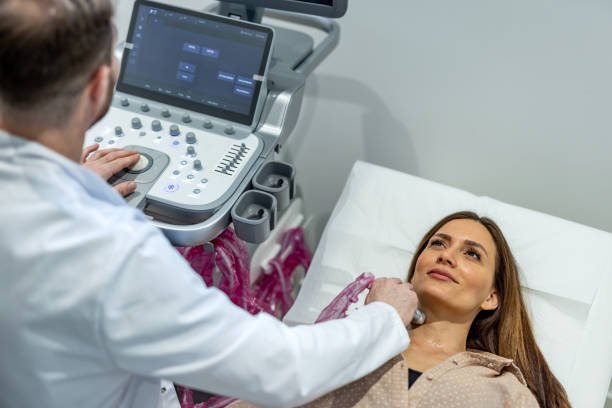
Your doctor will begin by asking about your symptoms and medical history, then perform a physical exam. During this exam, they will carefully palpate your thyroid gland to check if it is enlarged or has noticeable nodules.
Your provider will need to order thyroid tests to confirm the diagnosis, including:
- Blood tests: can diagnose hypothyroidism or hyperthyroidism. Common types include TSH, T3, T4, and thyroid antibody tests.
- Imaging tests: such as a thyroid ultrasound, help your provider identify nodules (lumps) and/or a goiter. Nuclear medicine imaging, such as a thyroid uptake and scan, can also help determine whether the nodules are overactive.
What are the treatments for thyroid disease?
Treatment for thyroid disease varies based on the specific condition and its underlying cause. The primary goal is to restore your thyroid hormone levels to a healthy range.
If you have hyperthyroidism, here are your treatment options:
- Antithyroid drugs: such as methimazole and propylthiouracil, inhibit your thyroid from producing hormones.
- Radioiodine (radioactive iodine) therapy: works by damaging your thyroid cells, which helps stop your thyroid from producing too much hormone.
- Beta-blockers: will help control symptoms like a fast heart rate.
- Surgery (thyroidectomy): will stop your thyroid from producing hormones. However, you'll need to take synthetic thyroid hormones in pill form for life.
If you have hypothyroidism, the primary treatment involves thyroid replacement medication, which is a synthetic version of thyroid hormone used to compensate for hormones your body doesn’t produce. A medication frequently prescribed by providers is levothyroxine.
Not sure these symptoms match yours?
Try our FREE symptoms checker to compare what your pain might
Can I prevent thyroid disease?
Thyroid diseases are typically not preventable, as most cases are related to genetics or autoimmune conditions that cannot be prevented.
You might be able to prevent two conditions: thyroid issues due to too much or too little iodine. Consult your doctor if you have concerns about your iodine intake.
Living with thyroid disease
If you experience symptoms of hypothyroidism or hyperthyroidism or notice changes in your neck’s appearance, consult a doctor promptly. Getting an accurate diagnosis and initiating treatment are crucial. If a family member has thyroid disease, inform your provider so it can be added to your medical records, as these conditions often run in families. Being aware of your medical history can be helpful if you develop symptoms later. Thyroid disorders are pretty standard, but the good news is that medications and other treatments can effectively manage them. If you have symptoms or risk factors related to thyroid disease, reach out to your doctor. They are there to support you.
Still unsure what's causing your symptoms?
Frequently Asked Questions
Is it possible to live an everyday life with thyroid disease?
Thyroid disease is often a lifelong condition requiring ongoing management, typically through daily medication. Your doctor will oversee your treatment and make adjustments as needed. Finding the right treatment plan to regulate your hormone levels may take some time. However, most people with thyroid disease can lead everyday lives.
Is thyroid disease a serious health condition?
Thyroid diseases impact many body parts and overall health. Maintaining your treatment plan usually prevents serious issues. However, if thyroid disease is undiagnosed or improperly treated, it can lead to complications. For untreated or undertreated hyperthyroidism, risks include atrial fibrillation, stroke, congestive heart failure, and osteoporosis. For hypothyroidism, complications may include mood disorders like depression, peripheral neuropathy, increased risk of heart disease and failure, and infertility. Severe hypothyroidism can result in myxedema coma, a sudden, life-threatening condition.
What is the prevalence of thyroid disease?
Thyroid disease is common, affecting approximately 20 million people in the United States.
How is a goiter treated?
If your thyroid functions normally and symptoms are not bothersome, treatment might not be necessary. However, if treatment is needed, medication should help reduce the thyroid to a near-normal size. In some cases, surgery to remove part or most of the thyroid may be required.
What impact does thyroid disease have on pregnancy?
Pregnancy hormones increase blood levels of thyroid hormones, which are essential for the baby’s brain development. Diagnosing thyroid issues during pregnancy can be challenging due to natural hormonal changes. However, it is crucial to monitor thyroid health before conception and throughout pregnancy. Unmanaged hyperthyroidism and hypothyroidism can lead to complications for both mother and baby.