
Quick overview of the symptoms of mosquito bites
Mosquito bites typically happen on areas of the body not protected by clothing. Common symptoms include:
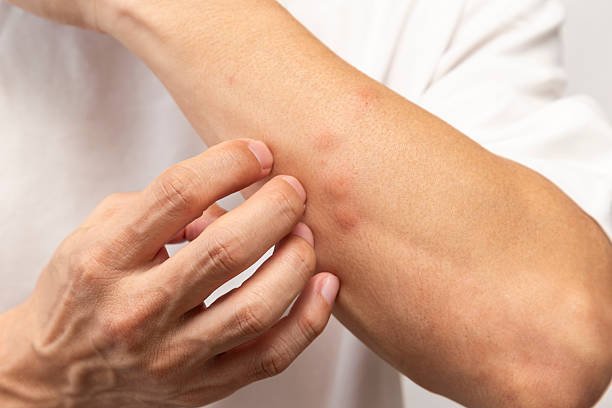
- An inflamed, itchy bump that develops a few minutes after a bite.
- A painful area similar to a hive that forms within 24 hours of being bitten.
- Small blisters
A serious response to mosquito bites may lead to:
- A significantly enlarged, swollen, and inflamed region.
- A rash that resembles a hive.
- Swelling around the eyes.
Children are more likely to have a severe reaction than adults are.
Not sure these symptoms match yours?
Try our FREE symptoms checker to compare what your pain might
What are mosquito bites?
Mosquito bites are itchy bumps that appear on the skin after a mosquito feeds on you. Typically, these bumps fade away within a few days. However, some bites may become very swollen, sore, and inflamed. This reaction, sometimes known as skeeter syndrome, is most frequently seen in children.
Mosquito bites can lead to serious diseases if the insects are carrying specific viruses or parasites. Infected mosquitoes can transmit illnesses such as West Nile virus, Zika virus, and viruses responsible for malaria, yellow fever, and certain brain infections.
What causes different mosquito bites?
Mosquito bites occur when female mosquitoes feed on your blood. During feeding, they inject saliva into your skin, which triggers an immune response that causes the typical itching and bump. Mosquitoes are attracted to smells, including those from sweat, floral scents, and exhaled carbon dioxide.
Still unsure what's causing your symptoms?
What are the risk factors for mosquito bites?
Factors that increase the risk of mosquito bites include:
- Sweating
- Wearing floral scents
- Blood type.
- Body temperature.
- Living in an area with active mosquitoes.
- Being outdoors without applying mosquito repellent.
What diseases can be spread through mosquito bites?
- Chikungunya: a virus spread by the Aedes aegypti mosquito, is found across Africa, the Americas, Asia, Europe, and the Indian subcontinent. It causes symptoms such as fever, joint and muscle pain, headache, nausea, fatigue, and a rash.
- Zika: is a virus present in Africa, North and South America, Asia, and the Pacific, primarily transmitted by Aedes aegypti and Aedes albopictus mosquitoes. Infected individuals can also spread the virus through sexual contact. Common symptoms include mild fever, headache, joint and muscle pain, skin rash, and irritated eyes. If a pregnant woman contracts Zika, it can potentially impact the developing fetus.
- Dengue: is a virus present in Africa, North and South America, Asia, and Europe, transmitted by the Aedes aegypti mosquito. Its symptoms are similar to the flu, including fever, headache, joint and muscle pain, and nausea.
- West Nile virus: is present in Africa, North America, West Asia, Europe, and the Middle East, and is spread by the Culex mosquito. It can be deadly. The most severe cases may lead to symptoms such as headache, fever, stiff neck, confusion, coma, convulsions, and muscle weakness.
- Malaria: a disease found in sub-Saharan Africa, is caused by a parasite transmitted through the Anopheles mosquito. It can cause symptoms such as fever, headache, and vomiting, and can even be deadly.
- Yellow fever: is a viral disease present in Africa and Latin America, transmitted by Aedes aegypti mosquitoes. It causes symptoms such as fever, headache, muscle and back pain, loss of appetite, and vomiting. Early symptoms check can help detect the disease promptly, as it can be deadly if left untreated.
What is the process for diagnosis?
Your doctor will likely be able to diagnose mosquito bites by examining them and discussing your recent activities.
Skeeter syndrome is an inflamed, itchy, painful swelling often mistaken for a bacterial infection. It is an allergic reaction to proteins in mosquito saliva. Currently, there is no straightforward blood test to detect mosquito antibodies, which the body produces during an allergic response. Diagnosis of mosquito allergy relies on observing whether large areas of swelling and itching develop after mosquito bites.
Not sure these symptoms match yours?
Try our FREE symptoms checker to compare what your pain might
What are effective ways to treat mosquito bites?
Mosquito bites typically do not need treatment. Applying creams can ease itching and discomfort. However, see a doctor if you have severe symptoms like allergic reactions, fever, headache, or body aches. Also, consult a doctor if symptoms occur after visiting an area with mosquito-borne illnesses. The treatment will vary based on the infection type and severity.
Most mosquito bites resolve and stop itching on their own within a few days. These self-care tips can help you feel more comfortable.
- Apply a lotion, cream, or paste: to the affected area. Do not scratch itchy bites. Using calamine lotion, an over-the-counter antihistamine cream, or a corticosteroid cream can help. Alternatively, you can dab the bite with a baking soda-and-water paste. Reapply the chosen treatment three times daily until the itching subsides.
- Rubbing an ice cube: on the area can help soothe an itchy bite; try it for 30 seconds.
- Applying pressure: can help soothe an itchy bite; press on it for 10 seconds.
- Applying pressure: can help soothe an itchy bite; press on it for 10 seconds.
- Take an oral antihistamine: For more severe reactions, consider a non-prescription antihistamine that does not cause drowsiness, such as cetirizine (Children's Zyrtec Allergy, Zyrtec Allergy, and others) or loratadine (Alavert, Claritin, and others).
What steps can you take to prevent mosquito bites?
Mosquitoes bite both during the day and at night, and they can live indoors. You can take multiple steps to protect yourself from mosquito bites.
- Removing any stagnant water.
- Avoid travelling to areas with known infections.
- Wearing a bug spray that is registered with the Environmental Protection Agency, usually containing DEET.
- Wear thick clothing such as long pants and long sleeves, as mosquitoes can bite through thin fabrics.
- Using screens on windows and doors.
- Remaining indoors during the peak mosquito activity times, which are dusk and dawn.
- Applying chemicals to clothing, tents, and netting to repel mosquitoes.
- Sleeping beneath a protective net.
- Get vaccinated or take preventive medicine that your doctor has recommended.
Think about whether you often experience significant or severe reactions to mosquito bites, known as skeeter syndrome. If so, consider taking a non-drowsy, over-the-counter antihistamine before exposure to mosquitoes.
Still unsure what's causing your symptoms?
Living with mosquito bites
Seek medical attention if you experience an allergic reaction to a mosquito bite or show symptoms of a mosquito-borne illness. If you have travelled to an area with active mosquito-borne diseases and develop symptoms, consult your doctor. Mosquito bites are common in hot weather and usually harmless, though they can be itchy and irritating. Avoid scratching them, as this can worsen the irritation. To relieve the itch, use over-the-counter remedies or home treatments. Contact your doctor if bites persist for more than a few days, increase in number, or if you have an allergic reaction.
Frequently Asked Questions
What causes mosquitoes to bite?
Mosquitoes bite and suck blood to reproduce. Male mosquitoes only consume flower nectar, while females eat both nectar and blood. Females require protein from blood to develop eggs.
What occurs when a mosquito bites you?
Mosquitoes possess a long mouthpart called a proboscis that extends well beyond their heads, resembling a tiny needle. When they bite, they pierce the skin with their proboscis, draw blood, and inject saliva into your bloodstream.
What causes mosquito bites to itch?
When a mosquito injects saliva into your bloodstream, your body perceives it as an allergen. In response, your immune system releases histamine at the bite site to neutralise the allergen. This histamine is what causes the itching and swelling associated with mosquito bites. Most people have an allergic reaction to mosquito bites.
What are the differences between bed bug bites and mosquito bites?
Much like mosquitoes, bed bugs feed on blood and inject saliva into your skin. Their bites look similar to mosquito bites but often appear in lines or zigzags. Bed bugs are nocturnal and tend to bite exposed skin while you’re sleeping, such as your face, hands, arms, feet, and legs. If you experience bites over an extended period, consulting a doctor can help determine whether bed bugs are the cause.
What are the differences between flea bites and mosquito bites?
Fleas feed on your blood and inject saliva into your bloodstream. Their bites look similar to those of mosquitoes and bed bugs. Since fleas jump, their bites tend to be more scattered than those from bed bugs or mosquitoes. You are more likely to get flea bites if you have dogs, cats, or other pets that go outside. If you experience bug bites over an extended period, a doctor can help determine the cause.