
A brief summary of the symptoms associated with norovirus infection
- Nausea A feeling of queasiness or the urge to vomit.
- Vomiting The forceful expulsion of stomach contents through the mouth.
- Stomach pain or cramps Discomfort or sharp pains in the abdominal area.
- Watery or loose stools Frequent, soft, or liquid bowel movements.
- Feeling unwell or sick General malaise or discomfort affecting overall health.
- Mild fever Slightly elevated body temperature, usually under 101°F.
- Muscle pain Soreness, stiffness, or aching in the muscles.
Signs and symptoms typically appear 12 to 48 hours after initial exposure to norovirus and last for 1 to 3 days. You may continue to shed the virus in your stool for several weeks post-recovery, and if you …
Not sure these symptoms match yours?
Try our FREE symptoms checker to compare what your pain might
What is norovirus?
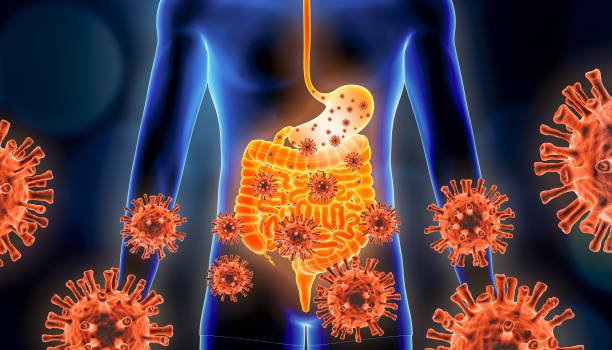
Norovirus infection can lead to sudden, intense vomiting and diarrhea. These viruses are extremely contagious and often spread via contaminated food, water during preparation, or surfaces. Additionally, they can be transmitted through close contact with someone who is infected.
Diarrhea, stomach pain, and vomiting usually begin 12 to 48 hours after exposure. These symptoms generally last between 1 and 3 days, and most people recover completely without treatment. However, for groups like young children, older adults, and those with health issues, vomiting and diarrhea can lead to severe dehydration and might require medical attention.
Norovirus infection most frequently occurs in closed, crowded settings such as hospitals, nursing homes, child care centers, schools, and cruise ships.
What are the causes of norovirus infection?
Still unsure what's causing your symptoms?
Noroviruses are extremely contagious, allowing the infection to spread easily. The virus is present in stool and vomit and can be transmitted from the start of symptoms until several days after recovery. Additionally, noroviruses can survive on surfaces and objects for days or even weeks.
You can contract norovirus infection through:
- Consuming contaminated food
- Consuming contaminated water
- Touching your mouth with your hand after it has been in contact with a contaminated surface or object.
- Having close contact with someone infected with norovirus
Noroviruses are challenging to eliminate because they resist both high and low temperatures and many disinfectants.
What are the risk factors linked to norovirus infection?
- Eating at a place where someone with norovirus has handled food or has come into contact with contaminated water or surfaces.
- Attending preschool or a childcare center
- Living in confined spaces, such as nursing homes.
- Staying in hotels, resorts, cruise ships, or other crowded destinations
- Having contact with a person infected with norovirus.
Risk factors for norovirus infection include:
- Eating at a place where someone with norovirus has handled food or has come into contact with contaminated water or surfaces.
- Attending preschool or a childcare center
- Living in confined spaces, such as nursing homes.
- Staying in hotels, resorts, cruise ships, or other crowded destinations
- Having contact with a person infected with norovirus.
How is norovirus diagnosed?
Norovirus infection is typically diagnosed based on your symptoms, but a stool sample can also detect the virus. If you have a weakened immune system or other health conditions, your healthcare provider might suggest a stool test to confirm the presence of norovirus.
How is norovirus treated?
There is no cure for norovirus. Treatment aims to ease your symptoms, which typically resolve within 1 to 3 days. You can manage your symptoms by:
- Consume sufficient fluids, particularly those with electrolytes.
- Getting plenty of rest.
- Consuming soft and bland foods.
What preventive measures should be taken to prevent infection?
- Wash your hands thoroughly with soap and water for at least 20 seconds, especially after using the toilet, changing a diaper, or before preparing food, eating, or drinking
- Avoid contaminated food and water, including food prepared by someone who was ill.
- Rinse fruits and vegetables thoroughly prior to consumption.
- Cook seafood completely to ensure safety.
- Disinfect surfaces that might be contaminated. Wear gloves and apply a chlorine bleach solution or a disinfectant proven effective against noroviruses.
- Use caution when traveling. If you are visiting areas with a high risk of norovirus, consider eating only cooked foods, drinking only hot or carbonated beverages, and avoiding food from street vendors.
- Stay home from work. Children should also remain at home from school or child care.
- Do not handle food or items meant for others. Use a disinfectant effective against norovirus to clean contaminated surfaces.
- Dispose of vomit and stool carefully by wearing disposable gloves and using disposable towels to absorb the material. Minimize disturbance of soiled material to prevent airborne spread of noroviruses. Place contaminated items in plastic bags and discard them in the trash. Remove and wash clothes and linens that might be contaminated.
- Refrain from traveling until at least 2 to 3 days after your symptoms have completely disappeared.
Living with norovirus
Norovirus is a sudden and irritating illness. You need to eat and drink, but your body struggles to keep food and liquids down. Luckily, the illness usually only lasts a few days. Try eating small bites and sipping fluids regularly throughout the day rather than large meals. If you’re unable to eat or if your symptoms persist beyond three days, contact your healthcare provider. To prevent spreading the infection, wash your hands frequently with soap and water.
Still unsure what's causing your symptoms?
Frequently Asked Questions
How long does norovirus remain in my system?
When norovirus infects you, it appears in your stool (poop) even before symptoms develop. It can stay in your system for up to two weeks after symptoms resolve. You are contagious from the time of infection until 48 hours after symptoms end.
Is it possible to contract norovirus more than once?
Yes, it is possible to get norovirus more than once. There are various strains of noroviruses, and while your immune system might build immunity to one type, it doesn’t necessarily protect against all of them. Therefore, you can experience repeated infections over your lifetime. Keep in mind that immunity to a specific strain may diminish over time, potentially leading to a long interval between infections.
Is norovirus infectious?
Yes, norovirus is extremely contagious and spreads quickly. If infected, your body releases billions of tiny virus particles capable of infecting others. Just a few particles can cause someone else to become ill. After contact with norovirus, symptoms typically appear within 12 to 48 hours. This period between exposure and symptoms is known as the incubation period. Even after symptoms resolve, you remain contagious for up to 48 hours.
What symptoms and outcomes should I anticipate if I contract norovirus?
Norovirus symptoms typically appear suddenly and can be quite severe. Expect to experience vomiting or diarrhea for a few days until the infection subsides. The idea of eating or drinking might cause nausea. However, avoiding food and fluids can lead to dehydration, so if you can’t keep anything down, it’s important to seek medical advice. Since there are multiple strains of norovirus, getting sick once doesn’t guarantee immunity, and you might get sick again. Fortunately, the illness is temporary and usually doesn’t have long-term consequences.
Is norovirus seasonal?
Norovirus outbreaks typically happen from November to April in the northern hemisphere and from April to September in the southern hemisphere. In regions close to the equator, outbreaks generally do not have a specific seasonal pattern.