
Summary of frostbite symptoms
Frostbite symptoms include:
- Numbness: Loss of feeling in the affected area due to exposure to extreme cold.
- Tingling: A pins-and-needles sensation that may occur before complete numbness sets in.
- Skin Discoloration: Affected skin may appear red, white, blue, gray, purple, or brown, depending on frostbite severity and the person’s natural skin tone.
- Cold, Firm, Waxy Skin: The skin may feel unusually cold to the touch and look firm with a waxy texture.
- Clumsiness: Stiff joints and reduced sensation can lead to poor coordination and difficulty moving the affected area.
- Pain: Discomfort or aching may occur, especially as the condition progresses or during rewarming.
- Blistering After Rewarming: Fluid-filled blisters can develop once the frozen tissue begins to warm up.
Frostbite most often occurs on the fingers, toes, ears, cheeks, penis, chin, and the tip of the nose. Because of numbness, you might not realize you have frostbite until someone notices. Changes in skin color can be challenging to detect on brown and Black skin.
Not sure these symptoms match yours?
Try our FREE symptoms checker to compare what your pain might
What exactly is frostbite?
Frostbite is an injury caused by the freezing of the skin and underlying tissues. The initial phase, known as frostnip, produces a cold feeling and numbness. As it progresses, the affected skin may change color and turn stiff or waxy.
Exposed skin is vulnerable to frostbite in cold, windy, or wet weather. Frostbite can also happen on skin protected by gloves or clothing.
Mild frostbite gets better with rewarming. For anything more severe than mild frostbite, seek medical attention immediately, as it can cause lasting damage to the skin, muscles, bones, and other tissues.
What causes frostbite?
The most common cause of frostbite is exposure to cold. The risk increases when the weather is also wet and windy. Frostbite can also result from direct contact with ice, freezing metals, or icy liquids.
Still unsure what's causing your symptoms?
What factors increase the risk of frostbite?
- Being exposed to freezing temperatures without proper clothing.
- Having specific medical conditions, such as diabetes, exhaustion, poor blood circulation, or congestive heart failure.
- Smoking tobacco regularly.
- Experiencing impaired judgment during icy conditions.
- Having experienced frostbite or another cold-related injury previously.
- Infants and older adults are more vulnerable in cold conditions, as they have a greater difficulty producing and retaining body heat.
- Experiencing cold conditions at high altitude.
How do doctors diagnose frostbite?
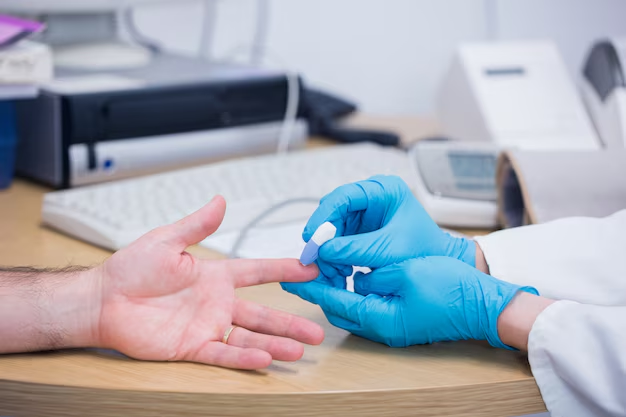
Diagnosing frostbite involves assessing your symptoms and reviewing recent cold exposure activities. Your healthcare team might order X-rays or an MRI to evaluate bone or muscle damage. It could take 2 to 4 days after rewarming to assess the level of tissue injury.
What are the available treatment options for frostbite?
- If you suspect hypothermia, call for emergency assistance.
- Protect the injured area from additional harm. Avoid rewarming frostbitten skin if there is a risk of refreezing.
- Come inside to escape the cold, take off wet clothes, and snuggle into a warm blanket.
- If possible, submerge the frostbitten skin in warm water for roughly 30 minutes, using a tub or sink.
- For frostbite on the nose or ears, apply warm, damp cloths to the area for approximately 30 minutes.
- Another option is to warm the affected skin with body heat, such as tucking frostbitten fingers under an armpit.
- Take the pain medication.
- Soak the injured area in a whirlpool.
- Take medications that combat infections.
- Take medications such as thrombolytics. Another option that enhances blood flow is iloprost (Aurlumyn).
- Remove any damaged tissue.
- Prone to developing blisters and wounds.
- Have surgery scheduled.
Not sure these symptoms match yours?
Try our FREE symptoms checker to compare what your pain might
How can frostbite be prevented?
- Limit your time outdoors during cold, wet, or windy weather. Keep an eye on weather forecasts and wind-chill levels.
- Dress in loose layers.
- Wear a hat or headband designed for cold weather. Make sure it covers your ears.
- Put on mittens.
- Put on socks and sock liners.
- Dress appropriately to keep yourself safe.
- Avoid drinking alcohol if you will be outside in cold weather.
- Consume nutritious, balanced meals and ensure adequate hydration.
- Keep moving. Exercise helps get your blood flowing and keeps you warm.
Living with frostbite
Remain indoors and ensure everyone dresses warmly when cold weather occurs. This not only boosts comfort but also protects you and your loved ones from frostbite and other serious health risks. If you’ve experienced cold exposure in freezing weather for over 30 minutes and suspect frostbite, seek urgent medical help.
Still unsure what's causing your symptoms?
Frequently Asked Questions
How cold does it have to be for frostbite to occur?
Freezing temperatures can cause frostbite, which happens when temperatures drop below 32 F (0 C). Remember that wind can make it feel much colder, raising your risk of frostbite.
How do frostbite and hypothermia differ?
Frostbite happens when your body parts freeze, damaging skin cells and tissues. Similar to ice on your windshield, it can harden your skin and change its color. Hypothermia occurs when your core temperature drops below 95°F (35°C), compared to the normal body temperature of about 98.6°F (37°C). Hypothermia is more serious and affects your entire body, while frostbite is limited to specific areas. It is possible to suffer from both conditions simultaneously. Both require prompt medical treatment.
What should I anticipate if I suffer from frostbite?
If you suspect frostbite, go inside and consult a healthcare professional or visit the emergency room. Recovery time after treatment varies depending on the stage and duration of frostbite. Mild frostnip may heal in a few days to weeks, while second-stage frostbite can take up to six months for healing, during which skin may scab or discolor. The most severe third stage can cause permanent damage, possibly requiring surgery. A healthcare provider can estimate your healing timeline based on the severity of your symptoms.
Is surgery necessary for frostbite treatment?
For severe frostbite, surgery might be necessary to remove dead skin and tissue once you have healed. The need for surgery can take days or even months to decide. In cases where tissue dies or gangrene develops, surgeons may need to amputate fingers or toes.
How can you identify a sign of permanent skin damage caused by frostbite?
Your healthcare provider will determine if your skin damage is permanent. Clear blisters indicate temporary damage, while blood-filled blisters may suggest lasting harm. Skin that turns black or darker than your usual tone signals severe tissue damage. In such cases, surgery might be necessary to remove the damaged skin and prevent secondary infections or gangrene.