
Bacterial Infections
Overview
Microorganisms known as bacteria are present everywhere. Numerous microorganisms are beneficial or innocuous. Some release poisons or infiltrate tissues, which results in illness.
The skin, lungs, stomach, blood, urinary tract, or brain can all become infected. Contact, food, water, air droplets, or wounds can all disseminate them. The type and severity determine the course of treatment.
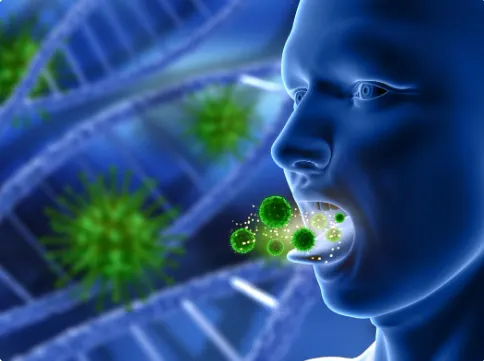
Bacterial Infection What Is It?
When dangerous bacteria enter the body and proliferate, a bacterial infection results. The immune system makes an effort to combat them. Fever, discomfort, redness, or swelling are some of the indications of this struggle. Viral infections are not the same as bacterial infections. Viruses cannot be treated by antibiotics; only bacterial illnesses can. Before beginning medicine, a proper diagnosis is crucial.
Bacterial Infection Types
Infections of the Respiratory System
Pneumonia and strep throat are two examples. They result in respiratory problems, fever, and coughing.
Infections of the urinary tract (UTIs)
typical in females. Pelvic pain and scorching urine are among the symptoms.
Infections of the Skin
includes impetigo and cellulitis. Common symptoms include warmth, redness, and swelling.
Infections of the Digestive System
brought on by tainted food or drink. Abdominal pains and diarrhoea are among the symptoms.
Sepsis, or bloodstream infections
Bacterial Infections Signs (Verify Your Signs)
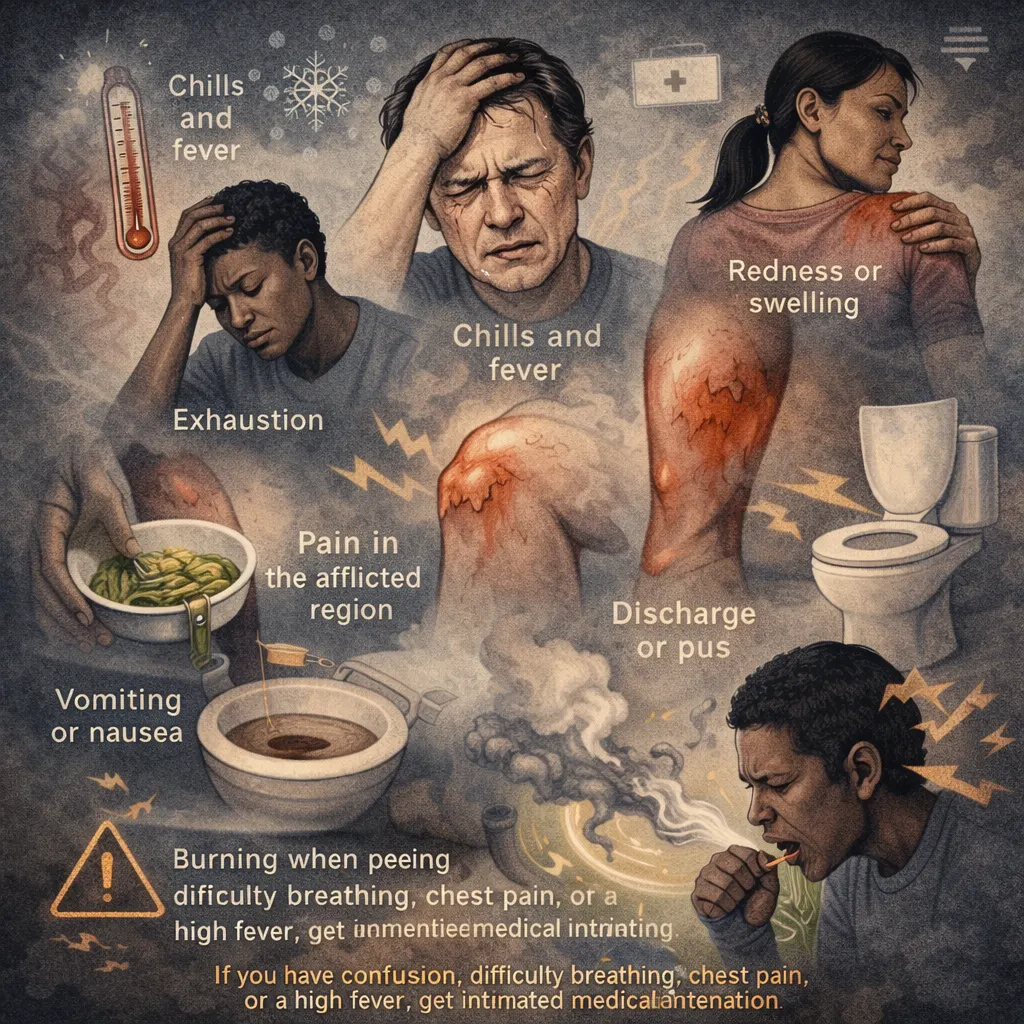
The affected area affects the symptoms. Typical indicators could be:
- Chills and fever
- Exhaustion
- Redness or swelling
- Pain in the afflicted region
- Discharge or pus
- Vomiting or nauseaDiarrhoea
- Mucus-filled cough
- Burning when peeing
If you have confusion, difficulty breathing, chest pain, or a high fever, get immediate medical attention.

Bacterial Infections Causes and Risk Factors
The body can get bacteria through:
- Wounds or cuts
- Polluted water or food
- Close contact with people who are infected
- Poor personal hygiene
- A compromised immune system
Diabetes, frequent hospital stays, recent surgery, and chronic sickness are risk factors. Additionally at risk are those receiving steroids or chemotherapy.
Bacterial Infections Tests and Diagnosis
Physicians use the following to diagnose bacterial infections:
- A physical assessment
- Blood examinations
- Urine analysisSputum examinations
- Scans of imagesSensitivity and culture tests
The bacteria are identified by cultures. Effective antibiotic selection is aided by sensitivity testing.
ICD Codes
Medical coding helps document conditions for billing and records.
Common ICD-10 references include:
- (icd 10 Bacterial Infections)
- (i c d 10 code for Bacterial Infections)
- (icd 10 chronic Bacterial Infections)
- (chronic Bacterial Infections icd 10)
- (icd 10 for paroxysmal Bacterial Infections)
- (icd 10 code for paroxysmal Bacterial Infections)
ICD codes vary based on infection type and location.

Bacterial Infections Treatment
The nature and severity of the infection determine the course of treatment.
Antimicrobials
Based on the results of the culture, doctors prescribe antibiotics. Completing the entire course is crucial.
Typical classifications consist of: PenicillinsCephalosporins MacrolidesFluoroquinolones These groupings are frequently included in searches for (medications for Bacterial Infections).
Newest Options for Treatment
Antimicrobial stewardship techniques and targeted antibiotics are part of the (what is the newest treatment for bacterial infections) strategy. Combination therapy may be employed in situations that are resistant.
Natural Assistance
Some people investigate (natural treatment for bacterial infections). Antibiotics cannot be replaced by natural therapies, but they may aid in healing. Rest, nourishment, and hydration promote healing.
Special Clinical Situations
Certain terms may appear online but are unrelated to bacterial infections, such as: • (atrial flutter vs Bacterial Infections)
- (Bacterial Infections vs atrial flutter)
- (Bacterial Infections with rapid ventricular response icd 10)
- (nonvalvular Bacterial Infections)
- (Bacterial Infections on warfarin)
These terms mix heart rhythm conditions with infections. They represent different medical problems. Atrial flutter is a cardiac arrhythmia, not an infection.
Living With Infections Caused by Bacteria
With the right treatment, the majority of bacterial illnesses go away. To recuperate more quickly: ● Take prescription drugs exactly as directed.
- Consume a lot of liquids.
- Get enough sleep.
- Preserve personal hygiene Consult your doctor again.
Even if you start feeling better, don’t stop taking antibiotics too soon.
Issues
Bacterial infections that go untreated can result in:
- The development of abscesses
- Damage to organsSepsis
- Persistent infection
- Disperse to more bodily area
Risk is decreased by early treatment.
Avoidance
Among the preventive measures are: Using soap to wash your hands
- Safe food preparation
- Pure potable water
- Immunisations
- Appropriate wound care
- Steering clear of needless antibiotic use
The issue of antibiotic resistance is becoming more widespread. Future therapy possibilities are safeguarded by responsible use.
When to Consult a Physician
Consult a doctor if:
- The fever persists for more than three days.
- In spite of treatment, symptoms intensify.
- Your immune system is weak.
- You experience excruciating pain or swelling
Breathing issues or sepsis symptoms require emergency attention.

FAQS
Do bacterial diseases spread easily?
There are some that are infectious. Others arise from imbalances within.
What is the duration of bacterial infections?
Infections that are mild could get better in a few days. Infections that are severe take longer.
Do bacterial infections resolve on their own without the use of antibiotics?
Certain minor infections could go away on their own. Antibiotics are necessary for many.
Do we always need antibiotics?
Physicians make decisions based on symptoms and test results.
Antibiotic resistance: what is it?
It happens when bacteria stop reacting to antibiotics.