
Brain Tumour
Overview
A brain tumour may alter the way an individual thinks, feels, and operates. It can start without much noise with slight headaches or vision alterations. Some tumours grow slowly. There are ones that develop quickly and require immediate attention. Early signs of knowledge can shield brain health and enhance results. This handbook describes the symptoms, causes, diagnosis, treatment, recovery and risks. It is authored to assist you in making knowledgeable health choices. In case the symptoms are unwonted or chronic, they need to seek medical consultation.
What Is a Brain Tumour?
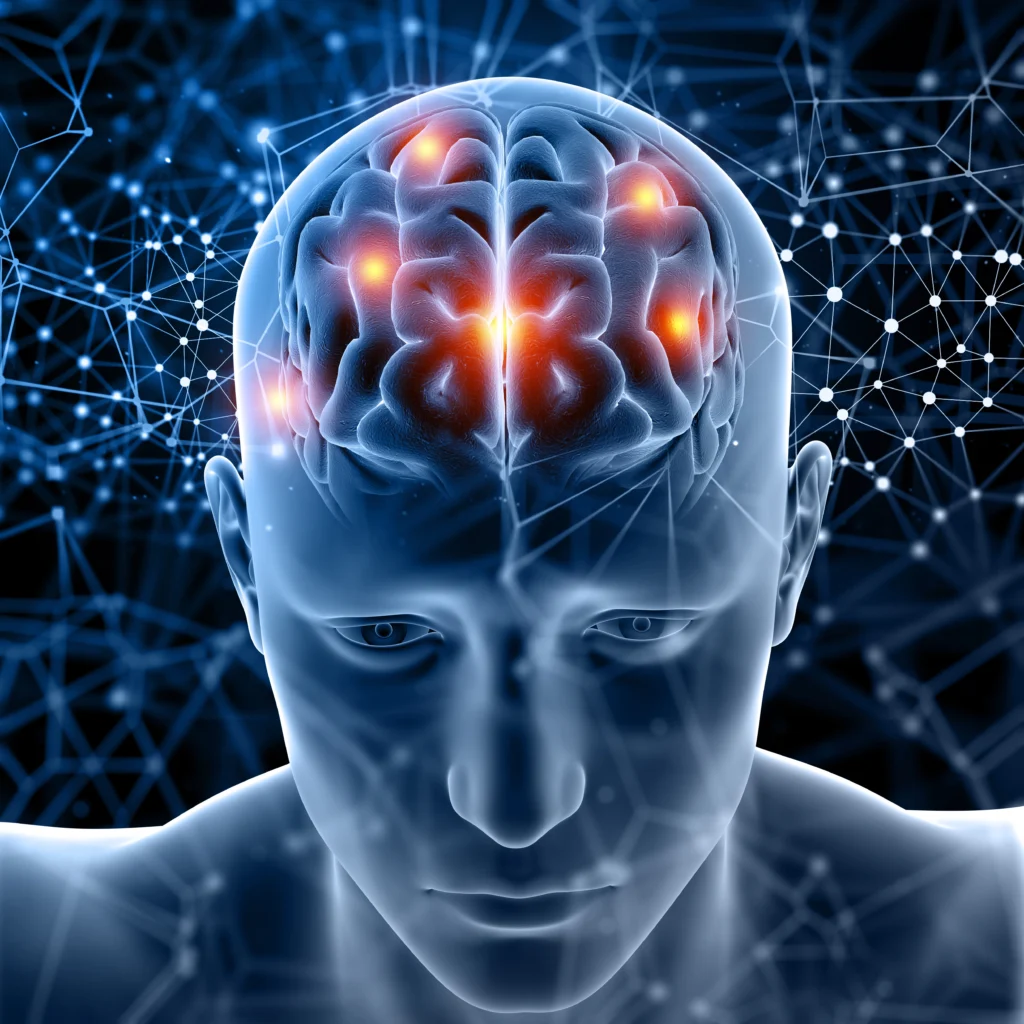
A brain tumour refers to the abnormal expansion of brain cells. It can either begin in the brain or be transferred by another body part. Tumours can be benign or malignant. Benign tumours are slow-growing and do not spread to the surrounding tissue. There is aggressive growth, and malignant tumours can cause damage to the surrounding area. Both are also potentially harmful because of intracranial pressure. Breathing, speech, memory and movement are functions controlled by the brain. A minor tumour may interfere with crucial processes. Early identification enhances the quality of life and treatment decisions.
Types of Brain Tumour
Primary Brain Tumors
Gliomas, Astrocytomas, Oligodendrogliomas, Ependymomas, Meningiomas
Secondary Brain Tumours:
These are metastases of other cancers. They can also be referred to as ‘metastatic tumours’. Usually, they are lung, breast and melanoma cancers.
Tumor Grading
The doctors have I to IV grades of tumour. Lower grades grow slowly. Greater levels of grades become aggressive. Tumours of grade IV are very malignant.
Pituitary Tumours (Pituitary Adenomas)
These tumours develop in the pituitary gland at the base of the brain. They are usually non-cancerous and benign but can affect hormone levels, leading to problems like irregular periods, weight changes, or vision issues.
Schwannomas (Acoustic Neuromas)
These tumours arise from Schwann cells that cover nerves. A common type is an acoustic neuroma, which affects the nerve responsible for hearing and balance. They are typically benign but can cause hearing loss, ringing in the ears, tinnitus, and dizziness.
Symptoms of Brain Tumour
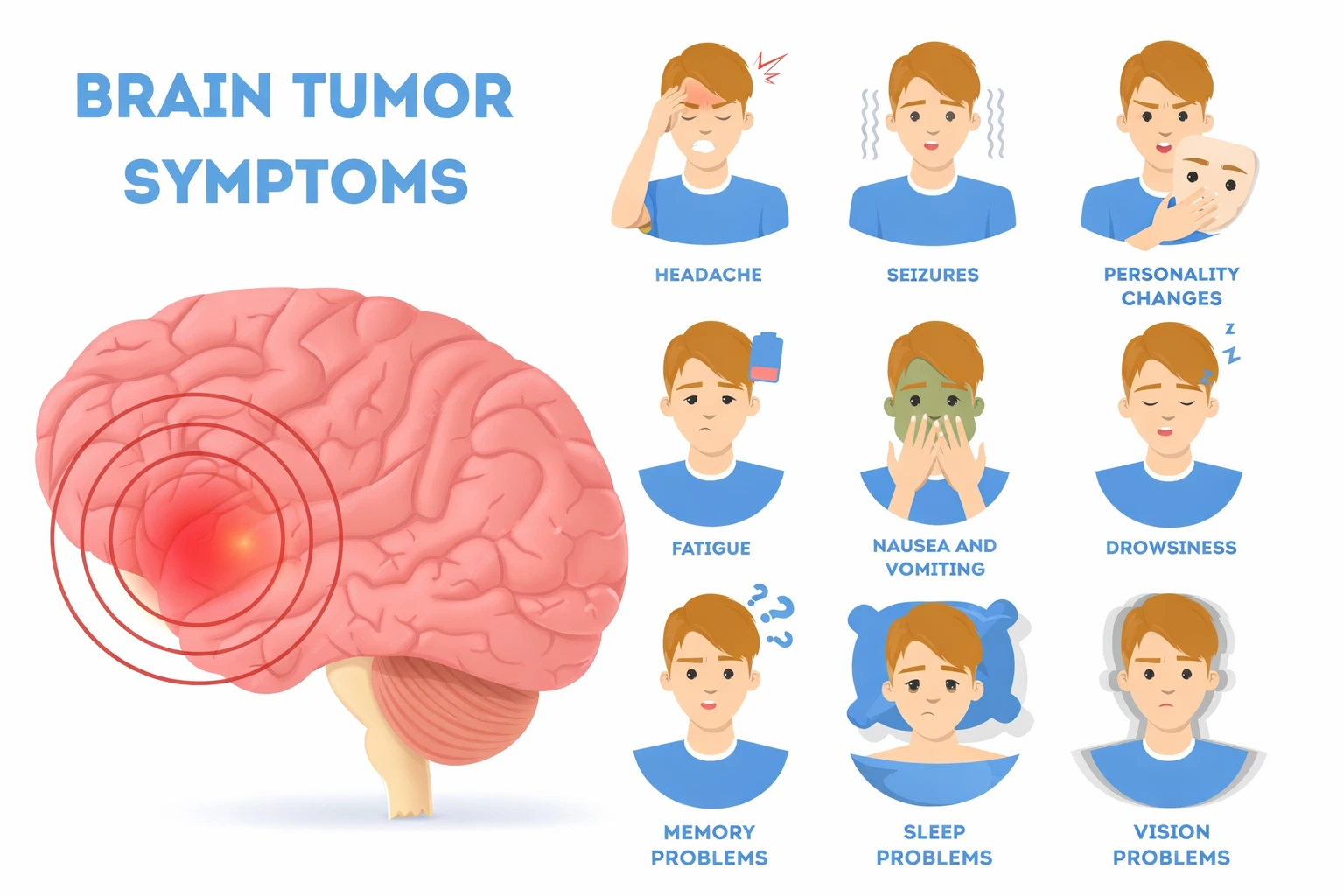
Symptoms are dependent on tumour size, type and location. They can either be progressive or emergent.
Common Symptoms
- Persistent headaches
- Seizures
- Blurred or double vision
- Hearing problems
- Weakness in limbs
- Speech difficulty
- Memory changes
- Personality changes
- Balance issues
Brain Tumour Causes and Risk Factors
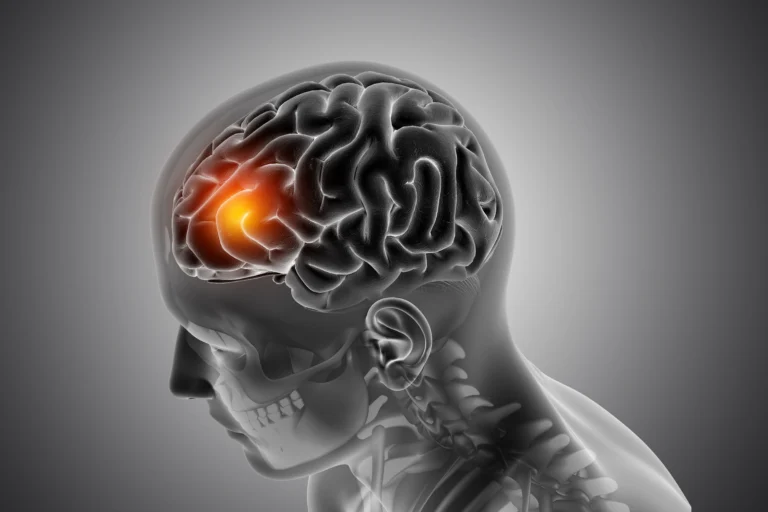
In the majority of cases, the cause is not clear. Uncontrolled growth is the result of cell DNA changes.
Risk factors include the following:
radiation exposure, Family history, Genetic syndromes, Age, Prior cancer history. The majority of brain tumors do not have an obvious cause. They are not normally caused by lifestyle.
Brain Tumour Tests and Diagnosis
There are various steps of diagnosis.
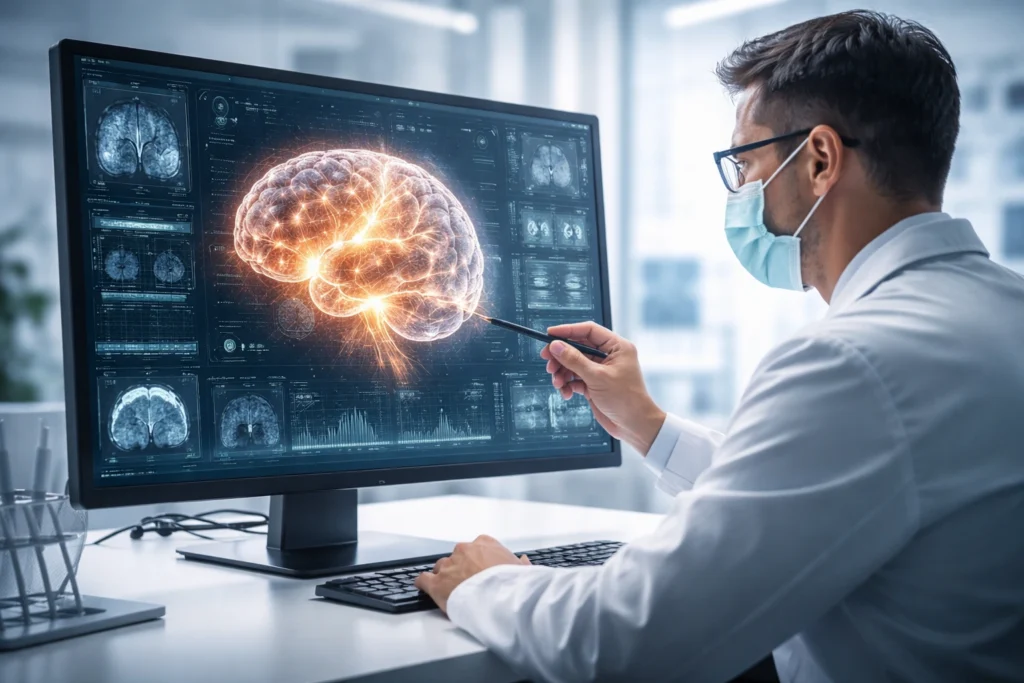
Physicians start with neurological examination and medical history.
- Imaging Tests
- MRI scan
- CT scan
- PET scan
MRI gives comprehensive images of the brain.
It is the most widespread diagnostic agent.
ICD and Medical Coding
ICD is used to classify brain tumours.
The coding provides accurate medical records.
It promotes insurance and hospital reporting systems.
Brain Tumour Treatment
Treatment is based on the nature, size and location of the tumours. The age of the patient and his health are important as well.
Surgery
Surgery is aimed at doing away with as much of the tumour as possible.
Radiation Therapy
Radiation is aimed at leftover tumour cells. It can come after surgery or substitute it.
Chemotherapy
Medications destroy or decelerate the development of cancer cells.
Living With a Brain Tumor
A diagnosis has a psychological and biological impact.
The support systems enhance coping and recovery.
Adjustments to lifestyle may involve: Balanced diet, gentle exercise, stress management, and regular follow-up visits. Shared experiences are provided by support groups. A lot of carers undergo counselling as well.
Complications of Brain Tumor
The possible complications are:
- Irreversible neurological damage.
- Seizure disorders
- Hormonal imbalance
- Cognitive decline
- Recurrence
Early treatment minimises chances of complications. Monitoring should be frequent.
FAQS
Not all brain tumours are cancerous?
No. Not all brain tumours are cancerous. Some are benign (non-cancerous), but they can still cause serious symptoms by pressing on the brain
Is it possible that children get brain tumours?
Yes. Children can develop brain tumours, and they are among the most common types of childhood cancers.
Are brain tumours hereditary?
Most brain tumours are not inherited. However, certain genetic syndromes can increase the risk.
Is a brain tumour recurrent?
Yes, some brain tumours can come back after treatment, depending on their type and grade.