
Glaucoma
Overview
Glaucoma is a condition of eye diseases causing destruction of the optic nerve. This nerve is crucial in proper vision. The destruction usually occurs because of the pressure that builds up in the eye. It might insidiously develop and remain unnoticed over years. Early diagnosis is crucial since the loss of vision due to glaucoma is irreversible.
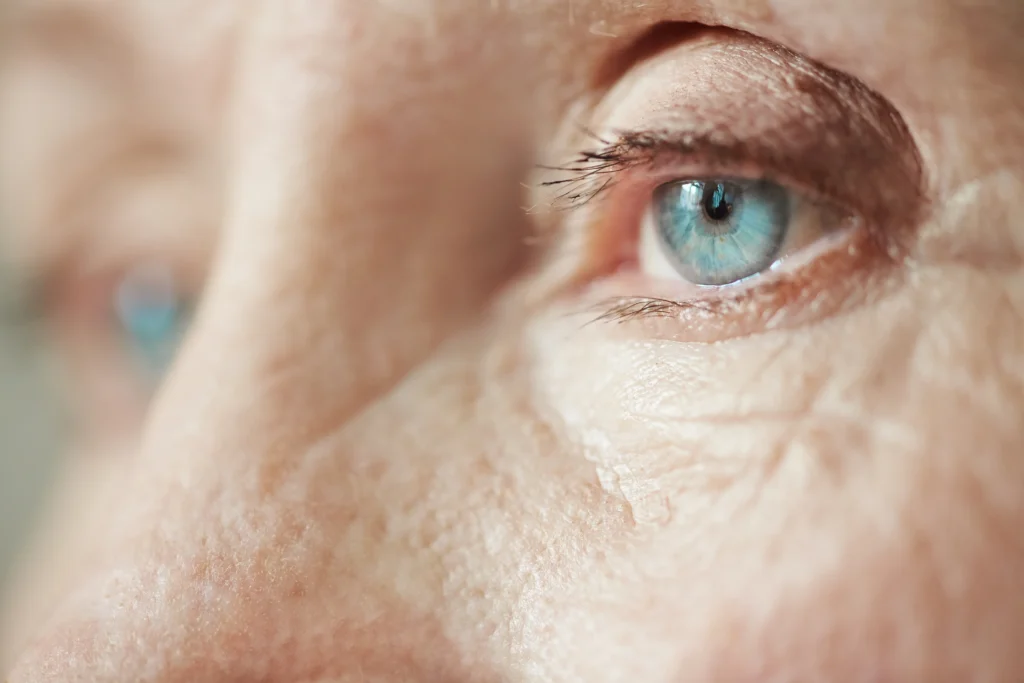
What Is Glaucoma?
Glaucoma is the disease that involves the drainage system of the eye. Fluid accumulation and pressure. This strain damages the optic nerve in the long term. Certain individuals might be considered a glaucoma suspect when they are at risk of damage, but no damage is established. Frequent eye tests can prevent severe consequences.
Types of Glaucoma
Open-Angle Glaucoma
The most prevalent is this one. It is painless and slow-developing. The loss of vision begins at the sides.
Angle Closure Glaucoma
Also called angle closure glaucoma, this type occurs suddenly. It is a medical emergency.
Normal-Tension Glaucoma
Injury occurs in case of normal eye pressure. The reason is not exactly known.
Secondary Glaucoma
It develops due to other conditions or injuries.
Congenital Glaucoma
This is a type that is at birth. It is a disease among infants and young children.
Glaucoma Symptoms (Check Your Symptoms)
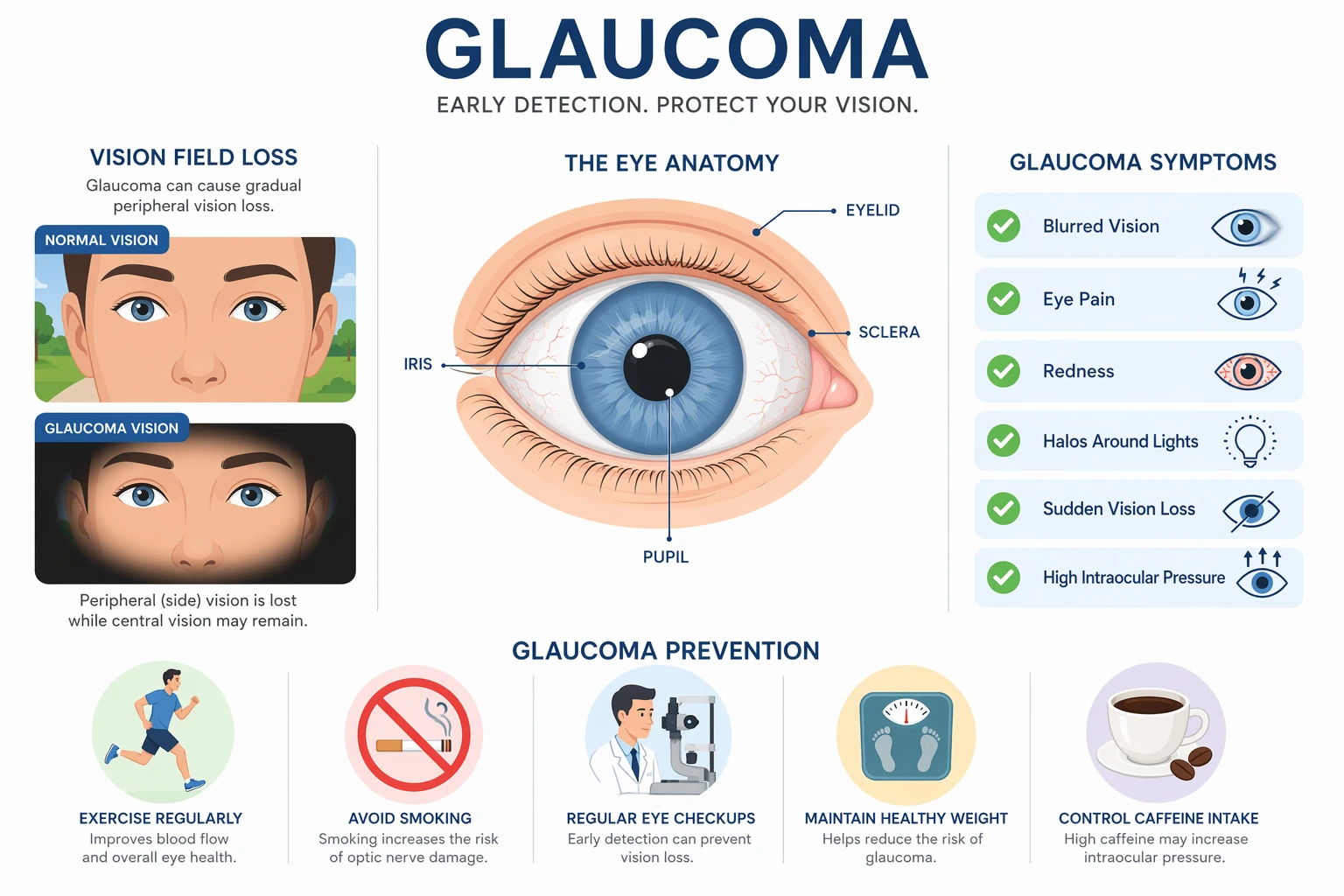
The symptoms of glaucoma are dependent on the type and stage. There are usually no signs at an early stage.
Common symptoms include:
- A slow peripheral visual loss.
- Blurred vision
- Pain in the eye (in severe cases)
- Halos around lights
- Redness in the eye
- Nausea and vomiting (in acute cases)
Initial symptoms of glaucoma are delicate. Regular screening is important.
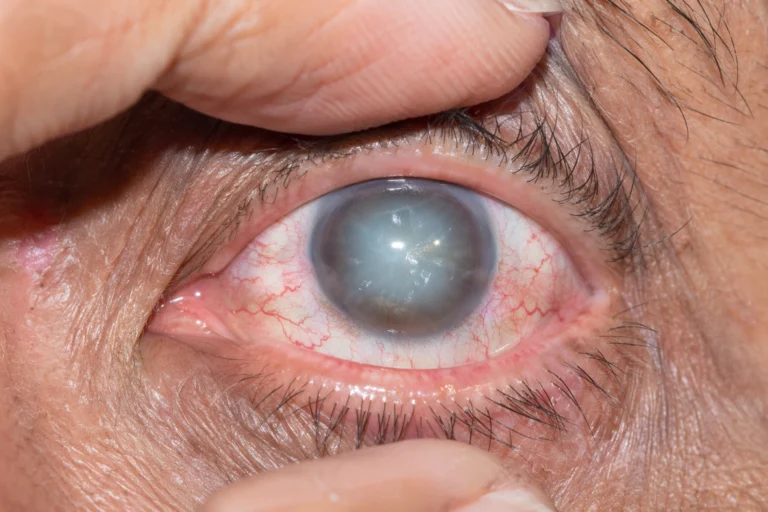
Glaucoma Causes and Risk Factors
The primary cause of glaucoma is the accumulation of fluid in the eye. This increases intraocular pressure.
Risk factors include: Age over 40, familial history (is there glaucoma in the family? Yes, it can be), High blood pressure and diabetes, Long-term steroid use, Eye injuries, thin corneas
Tests and Diagnosis of Glaucoma
Glaucoma Eye Test
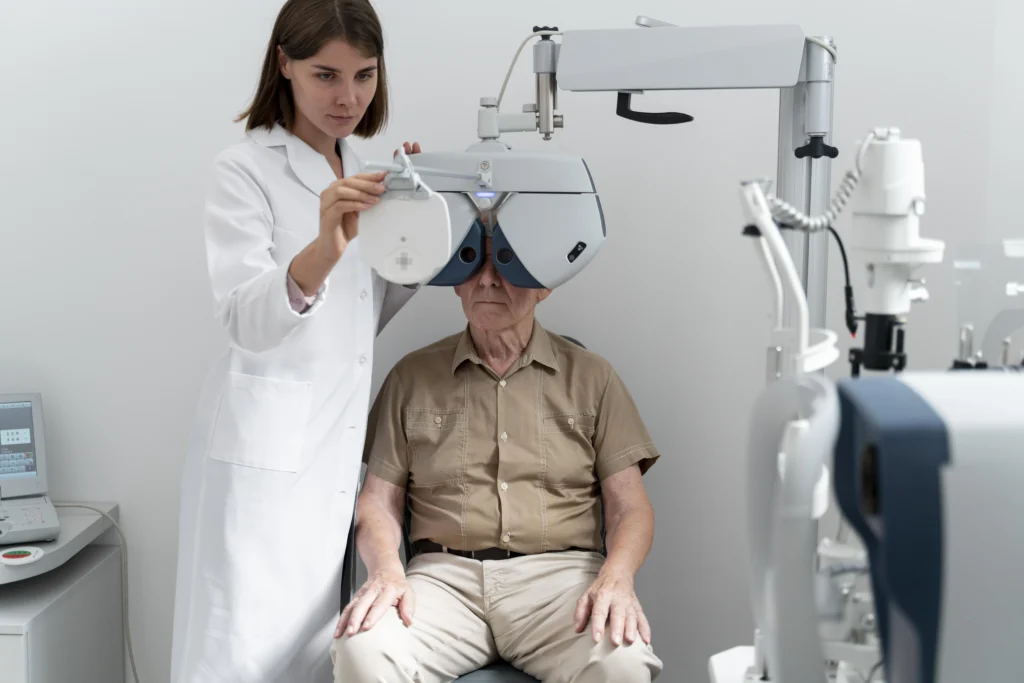
An eye test of glaucoma consists of a few tests: Measurement of the eye pressure (tonometry), Optic nerve exam, Visual field test, Corneal thickness test
Advanced Diagnosis
Physicians can employ imaging to identify damage at an early stage. Frequent testing is essential to high-risk people.
ICD 10 Code of Glaucoma.
The glaucoma ICD 10 classification helps in diagnosis and billing.
General: H40 Glaucoma
The ICD-10 code for glaucoma unspecified is H40.9.
Glaucoma of Treatment
Glaucoma Eye Drops
The initial treatment is eye drops that contain glaucoma. They lower the pressure of the eyes.
Medications
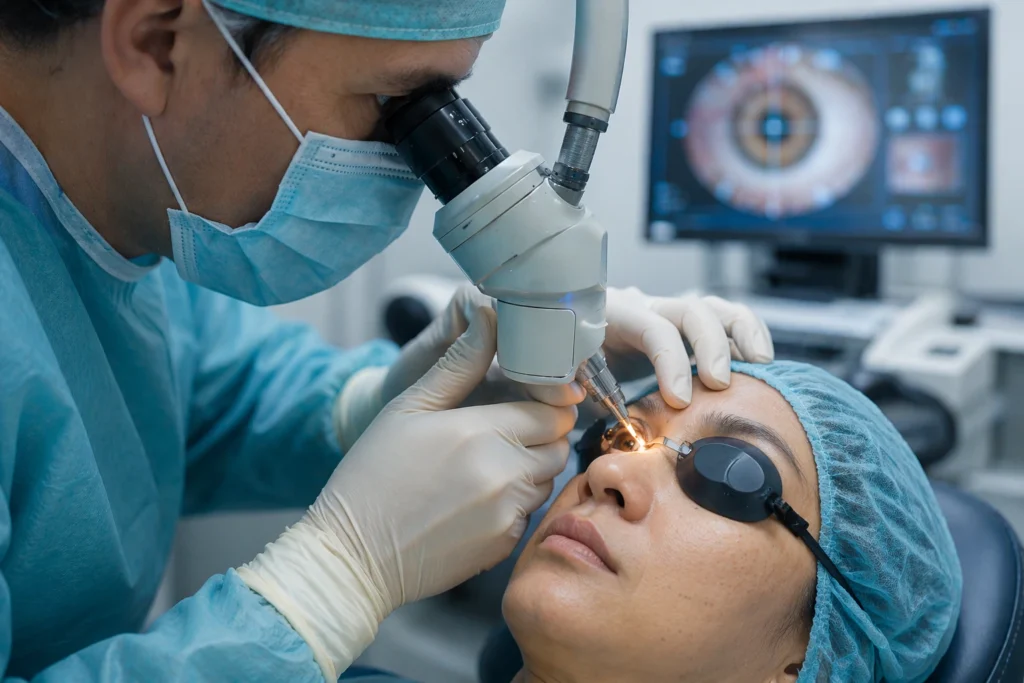
In certain cases oral medicines can be applied. Laser surgery on the eye to treat glaucoma. Glaucoma laser treatment is used to enhance fluid drainage. It is quick and effective.
Laser Surgery of Glaucoma.
Laser surgery is applied in cases of glaucoma where there is inadequate use of drops.
Glaucoma Stent
A glaucoma stent is a small object that is installed in the eye. It aids in draining fluids.
Surgery
In severe situations, surgery might be needed to avoid subsequent harm.
Living With Glaucoma
Glaucoma needs to be taken care of. Do as your doctor advises you to. Tips include: Use medications daily. Get frequent eye examinations, live a healthy lifestyle, and monitor vision changes. Long-term conditions can also be managed with the assistance of emotional support.
Complications of Glaucoma
Untreated, glaucoma can be very problematic.
Possible complications:
- Permanent vision loss
- Blindness
- Poor quality of life.
These risks can be minimised by early diagnosis.
FAQS
Is glaucoma hereditary?
The answer to this question is yes. When a close relative has it, then your chance is at risk. Routine check-ups of the eyes are significant in detecting problems at an early age.
What are the symptoms of glaucoma?
The initial symptoms are a mild level of vision impairment and sideways vision difficulties. Symptoms are not easily noticed by many people.
What is an eye test for glaucoma?
An eye test to determine eye pressure, eye health and vision is a glaucoma eye test. It aids in the early detection of glaucoma.
What is the ICD-10 code of glaucoma unspecified?
The ICD 10 code of unspecified glaucoma is H40.9. It is employed in cases where the type is not well known.
Is laser treatment applicable in the treatment of glaucoma?
Yes, glaucoma laser treatment is good. It enhances the fluid drainage and reduces the eye pressure.