
Acne
Overview
One of the most prevalent skin disorders that affect people of all ages is acne. Although it might persist until maturity, it typically manifests during adolescence. The development of acne occurs when bacteria, dead skin cells, and oil clog pores. This results in pimples, blackheads, whiteheads, or more uncomfortable lumps. Some people have minor, transient acne. For some, it may leave scars or marks and be persistent.Long-term skin damage and emotional stress can be lessened with early knowledge and appropriate care.Depending on its severity, acne can be controlled with a variety of treatment approaches.
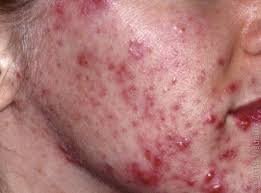
What Is Acne?
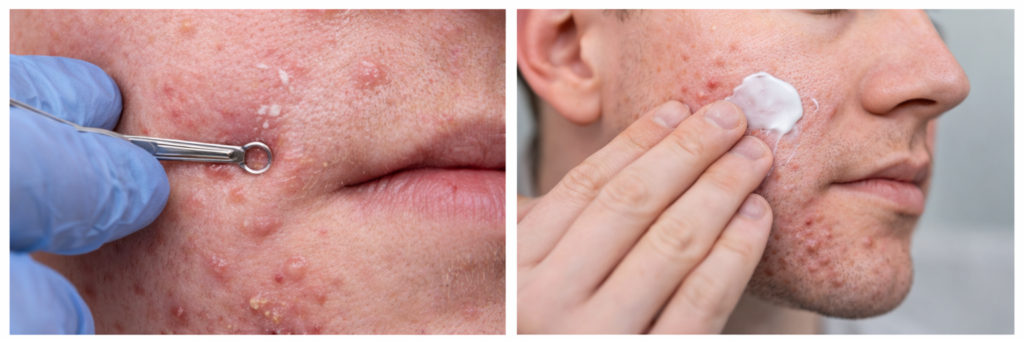
Oil glands and hair follicles are both impacted by acne. Every skin pore is connected to a gland that secretes sebum, an oily substance. This oil keeps the skin supple and protected. The pore is clogged when dead skin cells and excess oil combine. Redness and swelling may result from bacteria growing inside the clogged pore. Pimples and cysts are obvious acne lesions that result from this process.
Acne typically shows up on:
- Face
- Forehead
- Chest
- Upper back
- Shoulders
There are more oil glands in these regions, which raises the possibility of clogged pores.
Signs
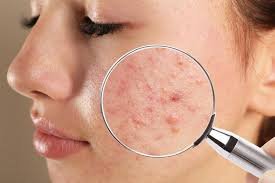
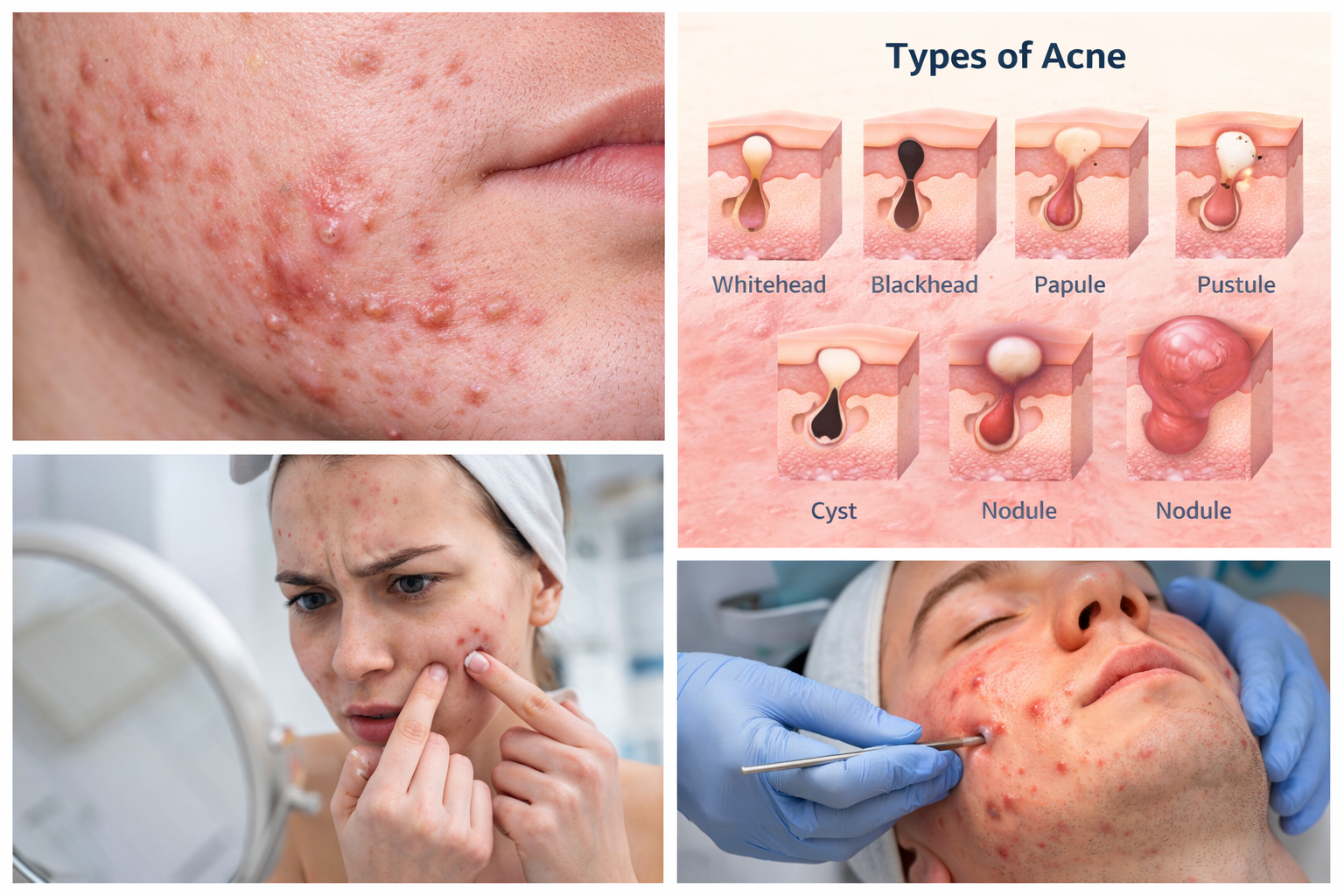
The signs of acne differ from individual to person. While some people only get breakouts once in a while, others get severe or painful sores.
Typical signs and symptoms include:
- Whiteheads (closed clogged pores)
- Blackheads (open clogged pores)
- Small red bumps
- Pus-filled pimples
- Painful lumps under the skin
- Swelling or tenderness
- Dark marks after healing
Cysts or nodules may result from severe acne. If left untreated, these lesions may leave lasting scars.
Causes and Risk Factors
Multiple variables come together to cause acne. Poor hygiene is not the cause.
Main Causes
- Excess oil production
- Dead skin cells blocking pores
- Bacterial growth
- Inflammation inside the skin
Changes in Hormones
Oil production is increased by hormones. Puberty, menstruation, pregnancy, and stress all frequently cause this. The lower face and jawline are common places for hormonal acne to emerge.
Genetics
The risk is higher if either parent had acne. Oil production and skin type are frequently inherited.
Environmental and Lifestyle Factors
Acne may worsen due to certain factors:
- Stress
- Tight clothing or friction
- Heavy or oily skincare products
- Certain medications
- High glycemic diets in some individuals
Risk Factors
- Teen and young adult age group
- Oily skin type
- Hormonal imbalance
- Family history
Frequent sweating or humidity exposure
Acne Types
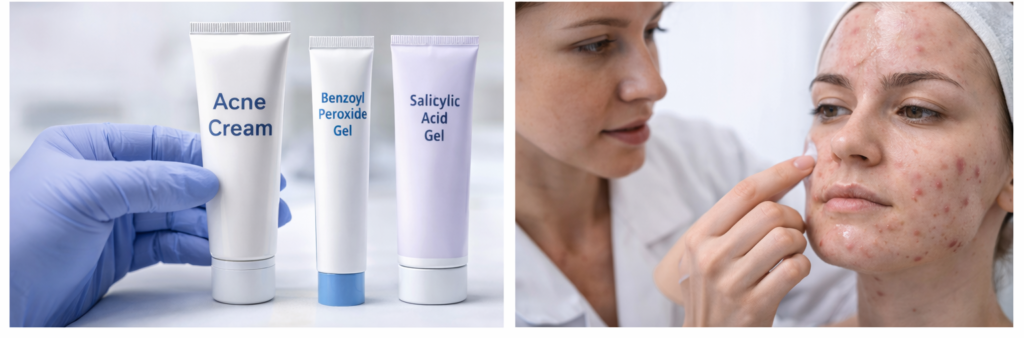
There are various varieties of acne. Knowing the type aids in selecting the appropriate course of action.
Comedone Acne
This type of acne is not inflammatory.
- Whiteheads
- Blackheads
The blocked pores are not infected.
Acne that is Inflammatory
This kind is characterised by swelling and redness.
- Papules
- Pustules
It’s possible for these lesions to hurt.
Cystic and Nodular Acne
This is really bad acne.
- Large painful lumps
- Deep inflammation
- Higher risk of scarring
Acne caused by hormones
typical of adult females. Breakouts show up around the jawline and chin. Excess oil production is caused by changes in hormones.
Acne caused by fungi
Rather than bacteria, yeast overgrowth is the cause of fungal acne. It frequently manifests as tiny, itchy pimples on the forehead, back, or chest.
Baby Acne
Newborns are susceptible to developing baby acne.Without therapy, it normally goes away in a few weeks.
Tests and Diagnosis
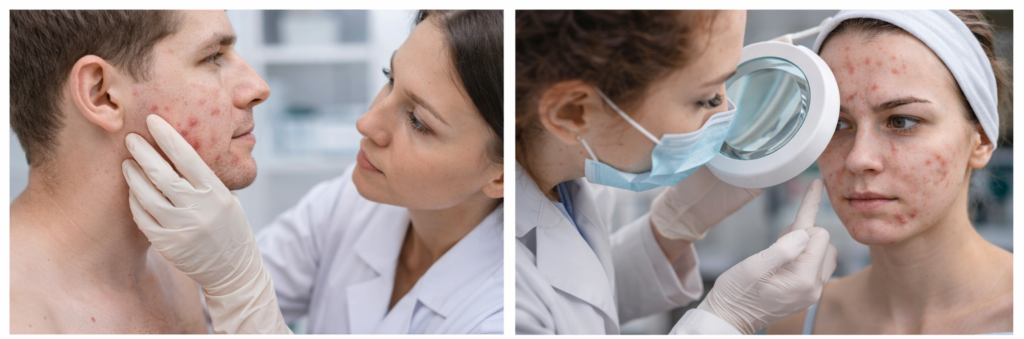
Acne is usually diagnosed through skin examination. No laboratory test is required in most cases.
A healthcare professional evaluates:
- Type of lesions
- Severity of inflammation
- Area affected
- Possible triggers
Depending on the number and depth of lesions, acne can be categorised as mild, moderate, or severe.
Scales of Severity
To gauge severity and monitor progress, doctors occasionally employ grading schemes. These measures aid in directing therapy choices.
Classification by ICD
In terms of diagnostic and treatment documentation, acne is categorised under dermatological illness groups.
Therapy
The kind and severity of acne determine how to treat it. Reducing oil production, unclogging pores, and avoiding scarring are the objectives.
Over-the-counter Acne Drugs
Over-the-counter acne medications like: may help mild acne.
- Benzoyl peroxide
- Salicylic acid
- Adapalene
- Gentle cleansers
These aid in bacterial reduction and pore unclogging.
Prescription Medicines
Acne that is moderate to severe may need:
- Topical retinoids
- Antibiotic creams or tablets
- Hormonal therapy
- Spironolactone for acne in selected patients
- Oral medications for severe cases
It frequently takes several weeks for treatment to show results.
Treatment for Acne Scars
Scars from acne can be controlled by:
- Chemical peels
- Microneedling
- Laser therapy
- Retinoid-based creams
Permanent scarring is less likely when treatment is received early.
Having Acne and Living With It
Emotional health and self-esteem can be impacted by acne. Recurrent breakouts cause tension or dissatisfaction for many people. Among the beneficial behaviours are:
- Washing face gently twice daily
- Avoiding harsh scrubbing
- Using non-comedogenic products
- Removing makeup before sleep
- Managing stress and sleep patterns
Aggressive treatment is less important than consistency. Excessive skin care frequently makes irritation worse.
Issues
Severe or untreated acne can result in:
- Permanent acne scars
- Dark or light skin patches
- Skin texture changes
- Emotional distress or low self-esteem
Changes in pigmentation may occur more frequently in those with darker skin tones.
Examine Your Symptoms
Are you unsure whether acne or another skin problem is affecting you? Examine your symptoms to gain insight:
- Type of acne
- Possible triggers
- When to seek medical help
Treatment options suitable for your skin
FAQS
What causes acne all of a sudden?
Changes in hormones, stress, skincare products, or medications can all cause sudden acne.
Does acne result from diet?
Acne is not caused by diet alone. For some people, certain meals can exacerbate acne.
What is the duration of acne?
Acne can linger for months or even years. With the right care, many patients get better.
Can scars from acne disappear?
With time, some scars disappear. Others need medical care.
Are fungal and non-fungal acne the same thing?
No. Yeast, not bacteria, is the cause of fungal acne. The way is different.
When should I visit a physician?
A medical evaluation is advised if acne is uncomfortable, leaves scars, or does not go away with self-care.