
ADHD
Overview
ADHD is a disorder of the brain.It affects organization, self-control, and focus. Inattention is a bigger problem for certain people. Others exhibit impulsivity and hyperactivity. Many people have a combination of both. Bad parenting does not cause ADHD. It isn’t a lack of discipline or laziness. It involves variations in the chemistry and structure of the brain.People with ADHD can thrive if they receive the proper care.
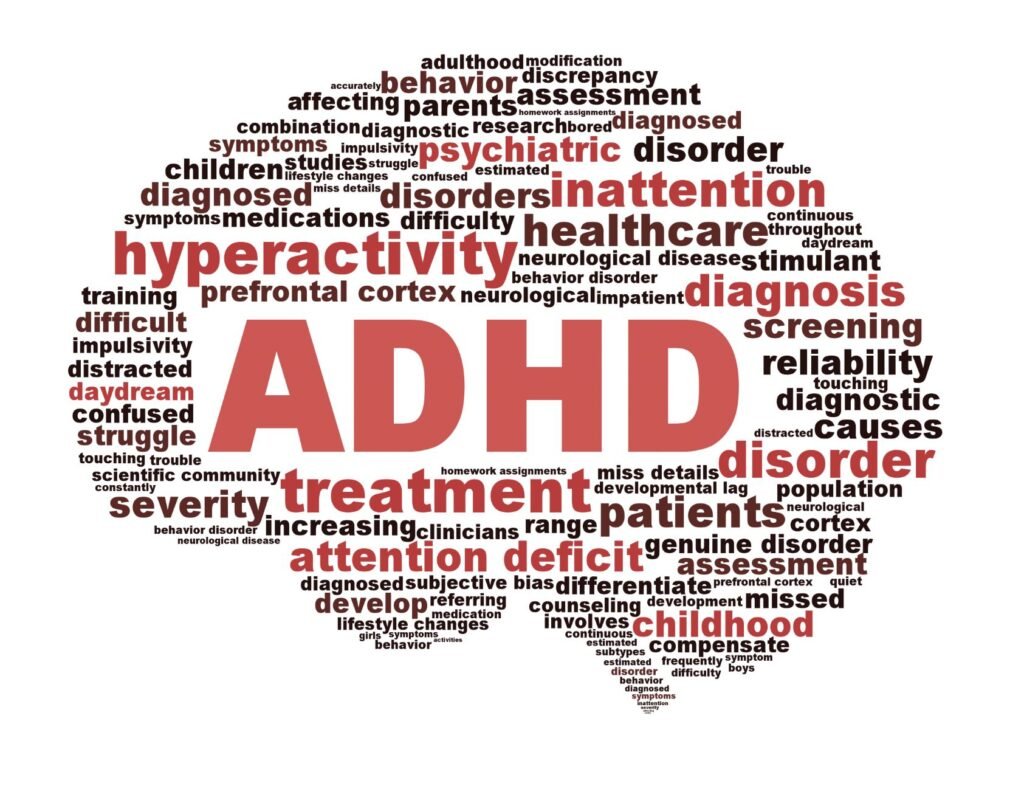
What is ADHD?
Executive performance is affected by ADHD, a chronic illness.
Planning, memory, and emotional control are all governed by executive functions. Individuals with ADHD may frequently misplace things or forget duties.
They might act carelessly or interrupt other people.
Age-related symptoms differ.
Youngsters may seem agitated and chatty.
Adults may have trouble staying organised and meeting deadlines.
Because of their modest symptoms, girls are frequently underdiagnosed.
Tyes of ADHD
Predominantly Inattentive
Generally Unfocused Problems with focus are most obvious. There is either no hyperactivity or very little. frequently observed in adults and older children.
Predominantly Hyperactive-Impulsive
Mostly Impulsive and Hyperactive Impulsive behaviour and restlessness are prevalent.typical of younger kids. Academic matters can come second.
Combined Presentation
A Presentation in Combination There are signs of both hyperactivity and inattention. The most prevalent kind is this one.


ADHD Symptoms
There are two primary groups of symptoms.Hyperactivity-impulsivity and inattention.Both tendencies are equally present in some persons.
Symptoms of Inattention
1) Having trouble concentrating on details
2) Careless errors at work or school
3) Having trouble adhering to directions
4) Losing things a lot
5) Steering clear of mentally taxing jobs
6) Easily sidetracked
7) Ignoring routine tasks
Symptoms of Impulsivity and Hyperactivity
1) Hand tapping or fidgeting
2) Frequently getting up from a seat
3) Experiencing restlessness
4) Talking too much
5) Interrupting others in discussion
6) Having trouble waiting turns
7) Taking action without thinking through the repercussions
The symptoms must last for a minimum of six months. They must have an impact on multiple settings. The workplace, home, and school are a few examples.
Examination and Diagnosis
ADHD cannot be diagnosed with a single lab test. The diagnosis is thorough and clinical. Assessment is done by a qualified professional.
Procedure for Diagnosis
1) Comprehensive medical history
2) Questionnaires on behaviour
3) Reports from the workplace or school
4) A clinical interview
5) Checklist of symptoms
The DSM-5 criteria must be met by the symptoms. It is necessary to rule out other conditions. These include thyroid issues, depression, and anxiety.
Tests and Scales
Typical tools consist of:
1) The ADHD Rating Scale
2) Conners Scales of Rating
3) Vanderbilt Evaluation Scale
Vision and hearing exams may be ordered by doctors. Screening for learning disabilities can be necessary.
ICD Codes
For medical coding, ADHD falls under specific classifications.
The ICD-10 code for ADHD is F90.
Subtypes may have more specific coding.
(acute bronchitis icd 10)
(icd 10 code for acute bronchitis)
(icd 10 bronchitis acute)
(icd 10 acute bronchitis)
(icd 10 for acute bronchitis)
(icd 10 code for bronchitis acute)
These codes are unrelated to ADHD.
They apply to respiratory conditions.
Accurate coding ensures correct billing.
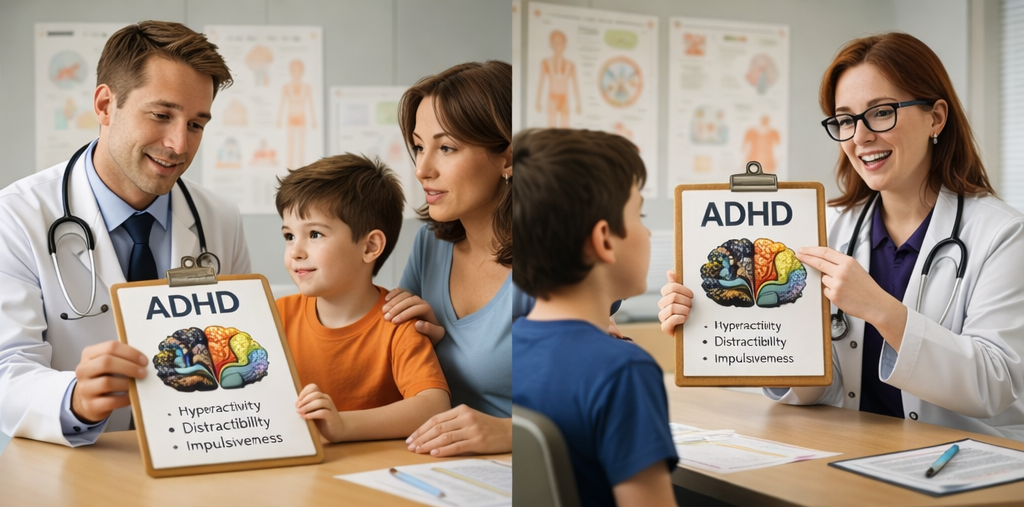
Treatment
Treatment for ADHD is individualised. The majority of regimens involve therapy and medication. Changes in lifestyle also make a big difference.
Medication
The first line of treatment is stimulants.They increase dopamine levels.Methylphenidate and amphetamines are two examples. There are non-stimulant alternatives. These consist of certain antidepressants and atomoxetine.Medication needs to be monitored by a physician.
Counselling In behavioural therapy
coping mechanisms are taught.Adults benefit from cognitive behavioural therapy. Child outcomes are improved by parent education. Learning is supported by school accommodations.
Lifestyle Assistance
1) A consistent sleep routine
2) Organised daily schedules
3) Physical activity and exercise
4) A nutritious diet
5) Reducing distractions from screens
Having ADHD and Living With
With assistance, ADHD can be controlled.
Early intervention boosts self-esteem.
Academic adjustments may be necessary for children.
Tools for systematic planning are beneficial to adults.
Organization is aided by digital reminders.
Support groups offer consolation on an emotional level.
Communication techniques may be necessary in relationships.
Uncertainties are decreased by having clear expectations.Self-awareness is an effective instrument.
Issues
ADHD can cause problems if left untreated. Among the potential issues are: 1) Poor academic performance
2) Instability at work
3) Low self-worth
4) Disorders of anxiety
5) Depression
6) Abuse of substances Long-term risk is decreased by early diagnosis. The overall quality of life is improved by treatment.
When to Get Assistance
Seek assessment if symptoms continue. Speak with a paediatrician or psychiatrist. Early assistance improves results. Emergency medical attention is necessary for:
1) Suicidal ideation
2) Extremely hostile behaviour
3) Unexpected shifts in mood
FAQS
Do mental disorders include ADHD?
This condition is classified as neurodevelopmental. It has an impact on behaviour and brain development.
Can ADHD affect adults?
Indeed. A lot of adults receive their diagnosis later in life.
Does aging cause ADHD to disappear?
Over time, symptoms could vary. Some continue throughout maturity.
Does poor parenting lead to ADHD?
No. Genetics and variations in the brain are linked to it.
Can ADHD be cured by diet?
ADHD cannot be cured by diet alone. Focus may be enhanced by healthy behaviours.