
Quick overview of the symptoms of lupus in your child
Symptoms your child may exhibit include
- Butterfly (malar) rash A rash appearing on the cheeks and across the bridge of the nose.
- Raynaud’s phenomenon Changes in finger and toe color when cold, anxious, or stressed.
- Fatigue Persistent feeling of tiredness or lack of energy.
- Headaches Frequent or recurring head pain.
- Fevers Elevated body temperature.
- Weight loss Unintentional reduction in body weight.
- Hair loss Thinning or shedding of hair.
- Joint swelling and pain (arthritis) Inflammation and discomfort in joints.
- Mouth or nose sores Painful ulcers appearing inside the mouth or nose.
Low blood cell counts can result from inflammation or autoantibody attacks, and they may also be a side effect of certain lupus medications.
Not sure these symptoms match yours?
Try our FREE symptoms checker to compare what your pain might
What is Childhood Lupus?
Childhood lupus, also known as pediatric lupus, is a chronic autoimmune disease where the immune system mistakenly attacks healthy tissues. The most common type is Systemic Lupus Erythematosus (SLE), which can affect the skin, joints, kidneys, brain, and other organs.
Although lupus can develop at any age, it is less common in children under the age of 5 and more frequently diagnosed during adolescence
Causes of Childhood Lupus
The exact cause of lupus is still unknown, but several factors may contribute to its development:
1. Genetic Factors
Children with a family history of autoimmune diseases are at higher risk.
2. Environmental Triggers
Exposure to sunlight, infections, or certain medications can trigger lupus symptoms.
3. Hormonal Influence
Hormonal changes, especially during puberty, may play a role in triggering lupus.
4. Immune System Dysfunction
Hormonal changes, especially during puberty, may play a role in triggering lupus.
Not sure these symptoms match yours?
Try our FREE symptoms checker to compare what your pain might
Still unsure what's causing your symptoms?
Common Childhood Lupus Symptoms
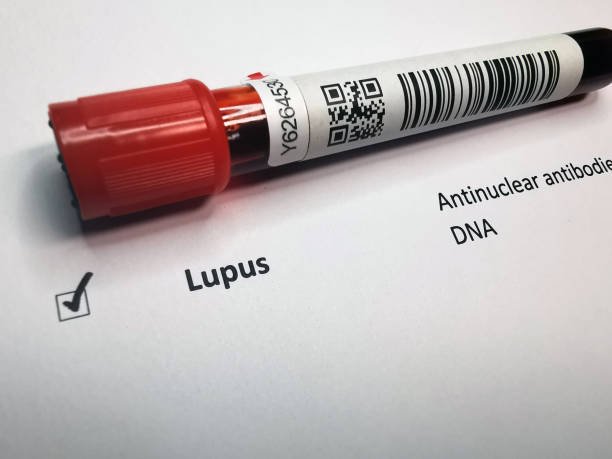
Recognizing symptoms early is crucial for proper treatment. Below are the most common signs:
1. Persistent Fatigue
Children may feel extremely tired even after adequate rest.
2. Joint Pain and Swelling
Pain in joints, especially hands, wrists, and knees, is common.
3. Skin Rashes
A butterfly shaped rash across the cheeks and nose is a classic lupus symptom.
4. Fever
Unexplained recurring fevers without infection.
5. Hair Loss
Noticeable thinning or patchy hair loss.
6. Kidney Problems
Swelling in legs or around eyes due to kidney involvement.
7. Sensitivity to Sunlight
Exposure to sunlight may worsen symptoms.
8. Mouth Sores
Painless ulcers inside the mouth or nose.
How is Childhood Lupus Diagnosed?
Diagnosing lupus can be challenging because symptoms vary widely. Doctors use a combination of:
- Blood tests (ANA test)
- Urine tests
- Physical examination
- Medical history
Early diagnosis is critical to prevent complications.
Not sure these symptoms match yours?
Try our FREE symptoms checker to compare what your pain might
Treatment Options for Childhood Lupus
There is no permanent cure for lupus, but treatment helps manage symptoms and prevent flare ups.
1. Medications
- Anti inflammatory drugs
- Immunosuppressants
- Corticosteroids
2. Lifestyle Changes
- Healthy diet
- Regular exercise
- Adequate sleep
3. Regular Monitoring
Frequent check ups to monitor organ function.
Prevention Strategies for Childhood Lupus
While lupus cannot always be prevented, certain strategies can reduce flare ups and improve quality of life.
1. Sun Protection
- Use sunscreen (SPF 30+)
- Wear protective clothing
- Avoid direct sunlight
2. Balanced Diet
A diet rich in fruits, vegetables, and omega 3 fatty acids helps reduce inflammation.
3. Stress Management
Stress can trigger lupus symptoms. Encourage relaxation techniques like deep breathing and mindfulness.
4. Avoid Infections
5. Medication Adherence
Follow prescribed treatments strictly to avoid complications.
6. Regular Medical Checkups
Routine visits help detect problems early.
Not sure these symptoms match yours?
Try our FREE symptoms checker to compare what your pain might
Complications of Childhood Lupus
If left untreated, lupus can lead to serious complications:
- Kidney damage (Lupus nephritis)
- Heart problems
- Lung issues
- Neurological disorders
Early treatment significantly reduces these risks.
When Should You See a Doctor?
Consult a doctor if your child experiences:
- Persistent fatigue
- Joint pain
- Unexplained fever
- Skin rashes
- Swelling in the body
Early medical intervention can make a huge difference.
Living with Childhood Lupus
Managing lupus requires a team effort between parents, doctors, and the child. With proper care, many children lead normal and active lives.
Encourage your child to stay positive, follow treatment plans, and maintain a healthy lifestyle.
Still unsure what's causing your symptoms?
FAQs (Frequently Asked Questions)
What potential complications can lupus cause in children?
Treatment can significantly reduce your child’s risk of complications. However, some children with lupus may develop issues such as kidney inflammation and damage (lupus nephritis); inflammation of the lung lining (pleurisy) or the heart sac (pericarditis); and inflammation of the central nervous system (brain and spine). Sharp chest pain is a common sign of pleurisy or pericarditis. Symptoms of central nervous system inflammation include headaches, behavioral changes, seizures, and blood clots, usually in the legs. Indicators of kidney inflammation and damage include pain, swelling, warmth, and redness or discoloration in the affected area.
What are the next steps following my child’s treatment?
The primary aim of lupus treatment is to reach remission (no disease activity) or low disease activity (LDA). When remission or LDA is achieved, your child experiences no symptoms or has fewer noticeable symptoms, reducing the risk of organ damage and hospitalization.
What impact will lupus have on my child’s life?
As a parent, you might worry about how lupus impacts your child’s life. Will it complicate school or prevent them from enjoying sports and activities? Could it affect their friendships or social interactions? These are typical concerns, but for many children, managing lupus becomes a regular part of life instead of a barrier. Thanks to advancements in diagnosis and treatment, children with lupus can still enjoy hobbies and chase their goals just like their peers.
Will my other children develop lupus too?
Although lupus is not directly inherited from parent to child, it often occurs within families. Nonetheless, the chance is low, making it uncommon for two siblings to both have lupus. Although blood tests can assist doctors in diagnosing lupus, they are not particularly helpful for children who show no symptoms of the disease.
How can I care for my child?
Your child’s healthcare team will advise you on how best to support them in managing lupus. Generally, it’s beneficial to track and record your child’s symptoms and possible triggers, then share this information with their care team. Educate your child about their condition with language they understand, and maintain an open-door policy so they feel comfortable asking questions or sharing concerns. Encourage your child to see a counselor to help them process feelings and develop coping strategies. Make sure your child applies SPF 30 or higher sunscreen daily, even when it’s cloudy, and wears protective clothing and hats outdoors. Teach simple infection-prevention practices, promote regular physical activity, and discuss potential accommodations with your child’s school. Remember, caring for your child includes caring for yourself, so consider joining a support group for parents of children with chronic illnesses.