
Key takeaways
COVID-19 A respiratory illness caused by the SARS-CoV-2 coronavirus, ranging from mild cold-like symptoms to severe, life-threatening disease.
Transmission Spreads mainly through respiratory droplets or particles released during breathing, talking, coughing, and sneezing. Reinfection is possible due to waning immunity and viral mutations.
High-risk groups People 65 or older, infants under 6 months, pregnant individuals, obese people, or those with conditions like diabetes, cancer, chronic lung, heart, kidney, or liver disease, weakened immune systems, smokers, or neurological issues are at higher risk of severe illness or death.
Diagnosis PCR/molecular tests are more sensitive than rapid antigen tests, detecting even small amounts of virus and asymptomatic cases. Rapid antigen tests and home testing kits are also available.
Treatment Most cases are managed with rest, hydration, and over-the-counter pain or fever medications. Severe cases may require hospitalization, supplemental oxygen, corticosteroids, monoclonal antibodies, or mechanical ventilation.
What exactly is COVID-19?
COVID-19 is a respiratory disease caused by the SARS-CoV-2 coronavirus. Its symptoms vary from mild, cold-like signs to severe, life-threatening conditions. Coronaviruses typically cause common colds. However, in 2019, a new coronavirus, SARS-CoV-2, began infecting humans and causing serious illness. During the peak of the pandemic, when COVID was spreading globally, tens of thousands of people were hospitalized daily in the U.S. alone. Overall, millions of lives have been lost.
Medical professionals’ knowledge has advanced significantly since the pandemic began. The virus continues to mutate, with variants like alpha, beta, gamma, delta, and now omicron. Scientists have developed treatments and vaccines that have decreased hospitalizations. However, COVID is not really “over.” It can still cause severe illness, lead to symptoms that last for months or years, and even be fatal.
COVID-19 severity ranges from mild to critical. Mild cases may be symptomatic or asymptomatic, but without shortness of breath or abnormal chest imaging and oxygen saturation equal to or > 94% on room air. Moderate COVID-19 cases are characterized by shortness of breath and evidence of lower respiratory tract infection on chest imaging, and oxygen saturation is equal to or > 94% on room air. Severe COVID-19 illness is characterized by compromised respiratory function, rapid breathing (> than 30 breaths per minute), signs of severe respiratory disease, and a saturation level <94% on room air. Critical COVID-19 cases are life-threatening, characterized by acute respiratory failure and multiple organ dysfunction.
Sometimes, individuals with this coronavirus can experience a variety of symptoms related to organ or tissue inflammation. This condition is known as multisystem inflammatory syndrome. When it occurs in children, it is called multisystem inflammatory syndrome in children (MIS-C), while in adults, it is referred to as MIS-A.
What are the symptoms of COVID-19?
Usually, COVID-19 symptoms appear within 2 to 14 days after exposure to the virus. Symptoms can include:
- Dry cough.
- Experience shortness of breath.
- Loss of the senses of taste or smell.
- Extreme exhaustion or fatigue.
- Digestive symptoms include upset stomach, vomiting, and loose stools, commonly called diarrhea.
- Pain, such as headaches and muscle aches.
- Fever or chills.
- Symptoms similar to a cold, including congestion, a runny nose, or a sore throat.
Some people may have few or no symptoms. People who test positive for COVID-19 but show no symptoms are called asymptomatic. For example, many children who test positive do not display any symptoms. Those who develop symptoms later are classified as presymptomatic. Both groups can still spread the virus to others.
Most people infected with COVID-19 experience mild to moderate symptoms. However, the virus can lead to serious health problems and even death. Older adults and individuals with pre-existing health conditions are at higher risk of severe illness.
What are the causes of COVID?
COVID-19 results from infection with the severe acute respiratory syndrome coronavirus 2 (SARS-CoV-2). The coronavirus mainly transmits from person to person, including from individuals who are infected but asymptomatic. When people with COVID-19 cough, sneeze, breathe, sing, or talk, their breath can carry the virus.
The coronavirus can be transmitted through a person’s breath, landing directly on someone else’s face after a sneeze or cough. Additionally, others may inhale droplets or particles if they are nearby or in areas with limited airflow.
It is possible to get COVID-19 more than once. Over time, the body’s defense against the COVID-19 virus can fade. A person may be exposed to so much of the virus that it breaks through the immune defense.
As a virus infects a group of people, it replicates itself. During replication, the genetic code can randomly mutate in each copy. These mutations can affect the virus’s characteristics. If the coronavirus responsible for COVID-19 undergoes mutations that reduce the effectiveness of past infections or vaccines, individuals can become reinfected.
The COVID-19 virus can infect certain pets. Cats, dogs, hamsters, and ferrets have contracted the virus and exhibited symptoms. However, it is uncommon for humans to catch COVID-19 from their pets.
What are the risk factors related to COVID?
The main risk factors for COVID-19 are:
- Providing care for someone diagnosed with COVID-19.
- Spending time in poorly ventilated areas with more people during a virus outbreak.
- Being in close contact with someone who has COVID-19 for more than 30 minutes.
Several factors influence your chances of contracting COVID-19. These include how long you’re exposed, the ventilation of the space, and what activities you’re involved in. Your risk also depends on whether you or others are wearing masks, if someone nearby shows COVID-19 symptoms, and how close you are to others. Close contact covers sitting next to someone, talking with them, or sharing a vehicle or bedroom.
It appears uncommon for individuals to contract COVID-19 from contaminated surfaces. Although the virus can be found in waste, such as stool, infections originating in places like public bathrooms are rare.
Factors that increase the risk of severe COVID-19 illness
Certain groups are at higher risk of severe COVID-19, including people aged 65 and older and infants under 6 months. These groups are most likely to require hospital treatment for COVID-19.
People with weakened immune systems are also more prone to severe illness. This weakness can result from conditions such as cancer or HIV, or from medications used after organ transplants or during cancer therapy. The likelihood of severe COVID-19 also rises if a person is pregnant.
Other conditions that raise the risk of severe COVID-19 illness include:
- Individuals aged over 65
- Pregnant women.
- Smoke or used to smoke.
- Have undergone a solid organ or stem cell transplant.
- A blood disorder such as sickle cell disease or thalassemia
- Cancer
- Cerebrovascular disease, including stroke
- Chronic conditions affecting your lungs, kidneys, liver, or heart.
- Congenital conditions such as cerebral palsy or Down syndrome
- Diabetes (either Type 1 or Type 2)
- HIV/AIDS or an impaired immune system
- Mental health conditions, including depression and schizophrenia spectrum disorders,
- Neurological conditions, such as dementia or Alzheimer’s disease
- Obesity
- Substance use disorders, including alcohol, opioid, or cocaine use disorder.
- Tuberculosis
What complications does COVID cause?
COVID can lead to serious complications even if you do not feel very sick. These include:
- Pneumonia
- Acute Respiratory Distress Syndrome (ARDS)
- Blood clots, such as pulmonary embolism (PE) or deep vein thrombosis (DVT)
- Inflammation of the heart, such as myocarditis or pericarditis
- Cardiac arrest
- Multisystem Inflammatory Syndrome in Children (MIS-C)
- Long COVID is a condition where pain, severe fatigue, and other symptoms persist for months or years after a COVID infection.
How is COVID-19 diagnosed?
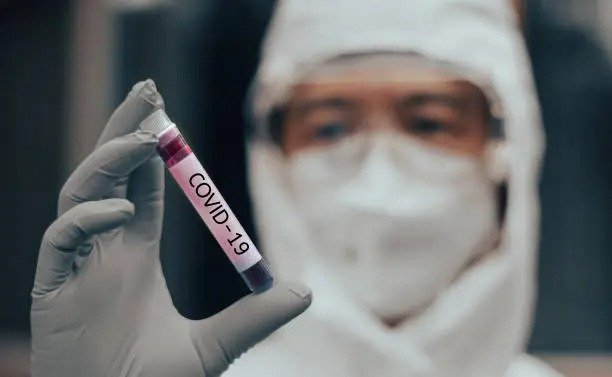
Doctors diagnose COVID by collecting a swab from the nose, throat, or saliva with a soft-tipped stick and analyzing the sample using a nucleic acid amplification test (NAAT), such as a PCR test. Additionally, you can conduct a quick antigen test at home.
Testing prior to an event or interaction with high-risk individuals helps reduce the spread of COVID-19.
There are two types of tests used to diagnose COVID-19.
- Molecular tests detect the genetic material of the COVID-19 virus. Among these, polymerase chain reaction (PCR) tests, also known as nucleic acid amplification tests (NAAT), are commonly used. Generally, PCR tests are more accurate than antigen tests. While PCR tests can be done at home, they are more often performed by healthcare professionals and analyzed in laboratories.
- Antigen tests detect viral proteins, known as antigens, and are commonly called rapid or at-home COVID-19 tests. They deliver quick results, making them helpful for immediate detection. While generally reliable and accurate, antigen tests are less precise than PCR tests, especially if you are asymptomatic. If your antigen test result is negative, it is recommended to retake the test after 48 hours to verify the result.
How is COVID treated?
Many individuals recover from COVID-19 by resting, staying hydrated, and managing their symptoms. Over-the-counter medications can also provide relief, including:
- Fever reducers.
- Pain relievers such as ibuprofen (Advil, Motrin IB, others) and acetaminophen (Tylenol, others).
- Cough syrup or medication.
- Antivirals such as Paxlovid (Nirmatrelvir or Ritonavir) are taken orally as the first option for high-risk patients and should be started within 5 days of symptoms appearing. Remdesivir IV can be used as an alternative. The use of antivirals is only recommended for people at high risk of severe outcomes, such as hospitalization and death, from COVID-19.
If you are critically ill and hospitalized, your doctor might use the following treatments:
- Supplemental oxygen
- Corticosteroids
- Mechanical ventilation
Monoclonal antibody therapy was effective before; however, it is no longer effective against current strains. It is advised to consult your doctor regarding your treatment.
How long does it take to recover from COVID?
Most people recover from symptoms such as congestion, a sore throat, and a cough within about 2 weeks. However, fatigue, shortness of breath, and other lingering symptoms may last for weeks or months beyond that period.
What strategies can you use to limit the spread of the virus?
In addition to vaccination, there are various strategies to prevent COVID-19 transmission. If you’re at greater risk of severe illness, consult your doctor to determine the most effective protective measures. Know the procedures to follow if you become ill so you can begin treatment promptly.
If you are feeling unwell or have COVID-19, stay home and avoid contact with others, including pets, if possible. Typically, it is advisable to:
- COVID-19 test: Get tested if symptoms of COVID appear or after five days of exposure to an infected person.
- Avoid close contact with infected people: If possible, avoid anyone who is sick or showing symptoms.
- Wash your hands: well and often with soap and water for at least 20 seconds, or use an alcohol-based sanitizer with at least 60% alcohol.
- Cover your coughs and sneezes: by coughing or sneezing into a tissue or your elbow, then wash your hands afterwards.
- Regularly clean and disinfect: high-touch surfaces like doorknobs, light switches, electronics, and counters.
- Maintain distance in crowded: poorly ventilated public areas, especially if you’re at greater risk of severe illness.
- Wear a mask: when you are indoors in a crowded space with poor ventilation, especially if many people around are sick with COVID-19 or the flu.
What are effective ways to prevent COVID?
Getting vaccinated against COVID is the most effective way to lower your chances of illness and severe symptoms. Furthermore, vaccination reduces the risk of developing long COVID. The COVID-19 vaccines for 2025-2026 include Moderna, Pfizer-BioNTech, and Novavax. All of these are approved for people aged 65 and older. Additionally, each vaccine is authorized for use in younger individuals with health conditions that increase their risk of severe COVID-19 illness.
To reduce your risk, wash your hands frequently and wear a mask during COVID outbreaks. Be considerate and avoid contact with others if you’re unwell or have been exposed to someone sick.
If you have a weakened immune system, you might consider the monoclonal antibody medication pemivibart. A doctor administers it via an IV (into your vein) to reduce your risk of catching COVID (pre-exposure prophylaxis).
Check Your COVID-19 Symptoms Now
Conclusion
COVID-19 no longer appears to be the global emergency it once was; however, in 2025, it remains a persistent respiratory virus that continues to circulate, evolve, and cause illness. Thanks to widespread vaccination, improved treatments, and better public health measures, most infections are now milder, and far fewer people need hospitalization compared to the peak of the pandemic. Despite these advances, the risk of severe outcomes, Long COVID, and complications persists, especially for older adults, immunocompromised individuals, and those with chronic health conditions. Stay informed about the latest 2025–2026 COVID-19 vaccines, practice good hand hygiene, ensure proper ventilation, wear masks in crowded indoor spaces when cases rise, and test and isolate if you feel unwell. Your proactive actions today help save lives and reduce long-term health impacts for everyone. If you feel sick or have been near someone with COVID-19, get tested promptly.
Frequently Asked Questions
How long should I quarantine after testing positive for COVID if I have symptoms?
According to current medical guidelines, you should self-isolate until both of these conditions are met: five days have passed since your symptoms began, and your symptoms are improving. Additionally, you should be fever-free for 24 hours and not have taken any fever-reducing medications during this time.
What are the symptoms and effects to anticipate if you contract COVID?
The outlook for COVID differs from person to person. Some people only have mild symptoms, while others become severely ill and need hospitalization. Occasionally, symptoms appear to improve, then worsen considerably afterward. Always seek emergency medical attention for severe symptoms, regardless of when they happen.
What steps can I take to feel better?
Over-the-counter medications can relieve specific COVID symptoms, but they do not cure the virus itself. If your child has COVID, consult their pediatrician first to ensure any medications are safe for them.
What is the typical duration of COVID-19 symptoms?
Active illness usually lasts from one to two weeks for mild or moderate COVID-19 cases, but severe cases can last several months. Some people remain asymptomatic, meaning they never show symptoms despite having the virus. After recovery, some may continue to experience symptoms such as a persistent cough, occasional fever, fatigue, or changes in senses like smell or taste, which can last for weeks or even months. These lingering symptoms are commonly referred to as long COVID-19.
What are the various types of COVID-19?
The coronavirus has various variants. Like other viruses, it can mutate over time, enabling it to spread more rapidly between people. Increased transmission can lead to more severe cases and increase the likelihood that the virus will acquire new mutations.