
Key takeaways
High cholesterol Indicates excess fats in the bloodstream that can develop into plaque in the arteries, increasing the risk of heart disease and stroke.
Causes Include an unhealthy diet rich in saturated or trans fats, lack of physical activity, smoking, excessive alcohol intake, obesity, and age over 40.
Diagnosis Identified through a fasting lipid panel, which measures total cholesterol, LDL, HDL, and triglycerides.
Prevention and management Involve adopting a heart-healthy diet, engaging in regular exercise, maintaining a healthy weight, quitting smoking, and limiting alcohol consumption.
Importance of early detection Essential since plaque buildup often remains unnoticed until it leads to serious complications.
What does high cholesterol mean?
High cholesterol occurs when there are excessive lipids (fats) in your blood, a condition also called hyperlipidemia or hypercholesterolemia.
Your body requires an appropriate amount of lipids to work correctly. Excess lipids cannot be used and may accumulate, leading to plaque formation in your arteries. These fatty deposits develop when there are more lipids in your blood than your body needs.
This plaque might not cause immediate problems, but it slowly expands inside your arteries without symptoms. That is why ignoring high cholesterol is risky. Excess fats in your blood encourage plaque formation unnoticed. The only definitive way to know if you have high cholesterol is through a blood test. A lipid panel measures your blood’s lipid levels. What is considered high cholesterol depends on your age, sex, and heart disease history.
What symptoms indicate high cholesterol levels?
Since high cholesterol has no symptoms, the only way to find out if you have it is through a blood test. If your levels are very high, you might notice the following signs:
- Fatty bumps (xanthomas) typically appear on your skin, often on the elbows, joints, knees, hands, ankles, or buttocks.
- Grayish-white rings (corneal arcus) that develop around the cornea in your eye.
What are the causes of high cholesterol levels?
The primary lifestyle factors that lead to high cholesterol include a diet rich in saturated and trans fats and insufficient physical activity. Occasionally, uncontrollable factors can also cause high cholesterol, such as inherited gene changes from parents, certain health conditions, and specific medications.
Conditions that may lead to high cholesterol include:
- Familial hypercholesterolemia.
- Chronic kidney disease.
- Chronic liver disease.
- Diabetes.
- HIV/AIDS.
- Hypothyroidism.
- Lupus.
- Obesity.
- Sleep apnea.
Certain medications prescribed for other conditions may also raise cholesterol levels. These include treatments for:
- Acne.
- Cancer.
- High blood pressure.
- Irregular heart rhythms.
- PCOS
- Organ transplants.
What are the factors that contribute to high cholesterol levels?
Risk factors associated with high cholesterol levels include:
- Eating habits: Consuming excessive saturated or trans fats can raise cholesterol levels. Saturated fats are found in fatty meats and full-fat dairy, while trans fats are occasionally present in packaged snacks and desserts.
- Obesity: is a multifaceted condition characterized by high levels of body fat.
- Lack of exercise: Exercise helps increase the body’s “good” HDL (high-density-lipoproteins) cholesterol.
- Smoking: specifically cigarette smoking, can lower HDL cholesterol levels.
- Consumption of alcohol: Consuming large amounts of alcohol may increase your total cholesterol. Aim to limit alcohol intake to no more than one drink per day for women and two drinks per day for men.
- Age: While young children can develop high cholesterol, it is much more prevalent in individuals over 40. As people age, their liver’s ability to remove “bad” LDL cholesterol declines.
How are high cholesterol levels diagnosed?
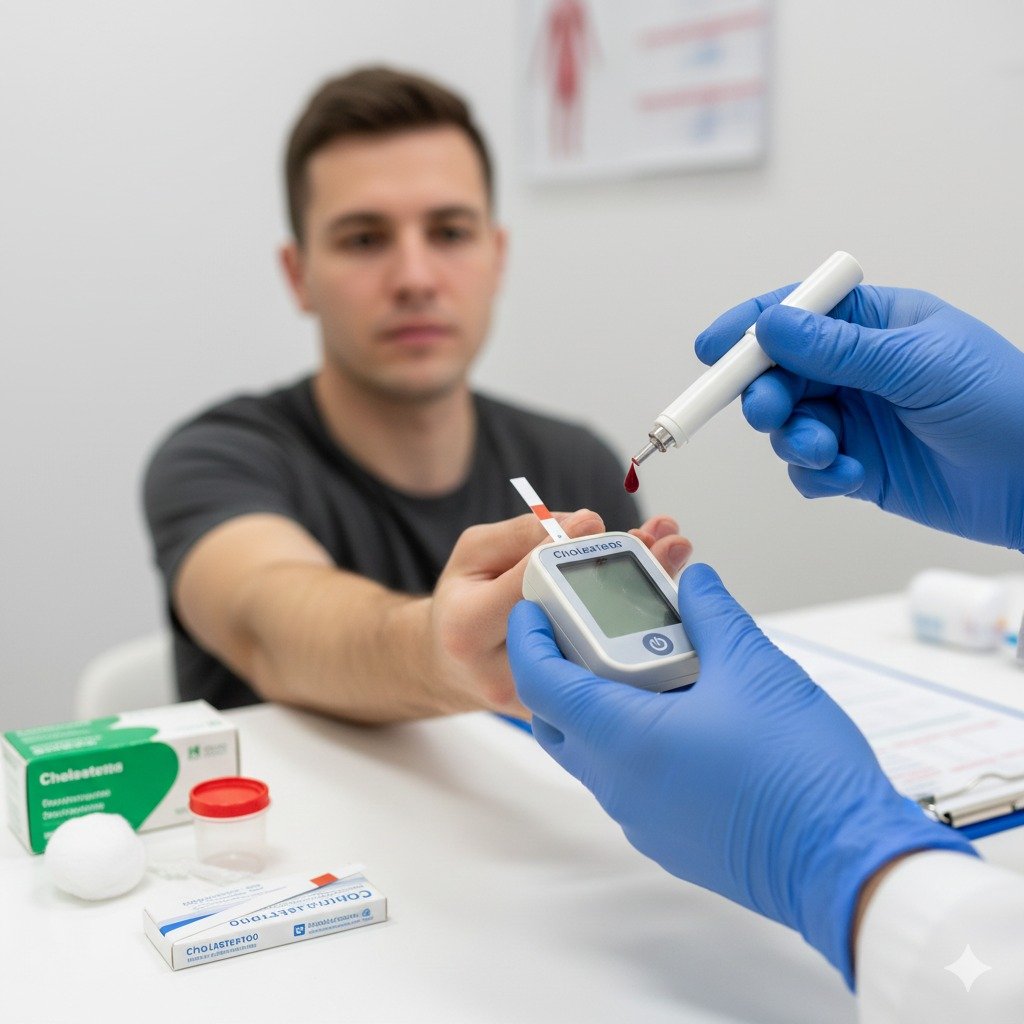
Diagnosis involves the process your doctor uses to determine if you have high cholesterol. This typically includes a blood test known as a lipid panel or lipid profile to measure your cholesterol levels. The results usually reveal your:
- Total cholesterol.
- Low-density lipoprotein (LDL) cholesterol.
- High-density lipoprotein (HDL) cholesterol.
- Triglycerides.
Usually, you should not eat or drink anything except water for about 9 to 12 hours before the test. This is known as fasting. Some cholesterol tests do not require fasting, so follow your doctor’s instructions.
Guidelines on when to have your cholesterol checked
High cholesterol can occur in childhood or adolescence. Therefore, guidelines now suggest beginning screenings early in childhood.
- Children and teens: should have their cholesterol checked every five years beginning at age nine. Those with parents who have high cholesterol or a history of heart issues might need screening earlier.
- Males: should have their cholesterol checked every five years until age 45. Between 45 and 65, check it every one to two years. After 65, get it checked annually.
- Women: should be screened every five years until age 55. Between ages 55 and 65, screening should occur every one to two years. After age 65, annual screenings are recommended.
These are general guidelines; your doctor will advise what is best for your situation. For instance, a person in their 20s with high cholesterol might need annual tests for a specific period. Individuals with additional heart disease risk factors could also require more frequent testing.
What are the available treatment options to lower cholesterol levels?
Treatment strategies to reach ideal cholesterol and triglyceride levels should be tailored to your individual needs. Consult with your doctor to determine the most appropriate target levels for you.
Managing high cholesterol often requires medication. Paired with healthy lifestyle adjustments, it can lower the chances of heart attacks and strokes. The number and type of medicines you might need depend on factors such as your risk level, age, overall health, and potential side effects. Your doctor will guide you in selecting the right treatments.
Common cholesterol medications include:
- Statins: function by inhibiting a substance essential for the liver to produce cholesterol, which results in decreased cholesterol production by the liver and increased removal of cholesterol from the blood. Common examples of statins are Atorvastatin (Lipitor), Fluvastatin (Lescol XL), Lovastatin (Altoprev), Pitavastatin (Livalo, Zypitamag), Pravastatin, Rosuvastatin (Crestor), and Simvastatin (Zocor).
- Cholesterol absorption inhibitors: The small intestine absorbs cholesterol from food and releases it into the bloodstream. Ezetimibe (Zetia) helps lower the cholesterol absorbed from food. Your doctor might prescribe ezetimibe together with a statin.
- Bempedoic acid: (Nexletol) functions similarly to statins. Your healthcare provider might prescribe it if statins lead to severe side effects for you. Using bempedoic acid alongside a statin can help reduce LDL. There is also a combination pill called Nexlizet that contains both bempedoic acid and ezetimibe.
- Bile acid sequestrants: affect the liver’s production of bile acids, which are essential for digestion. These medications bind to bile acids, prompting the liver to use more cholesterol to produce additional bile acids. As a result, this process helps lower blood cholesterol levels. Examples include cholestyramine (Prevalite), colesevelam (Welchol), and colestipol (Colestid).
- PCSK9 inhibitors: help the liver absorb less LDL cholesterol, reducing blood cholesterol levels. Drugs such as alirocumab (Praluent), evolocumab (Repatha), or inclisiran (Leqvio) are prescribed for those with genetic conditions causing extremely high LDL levels. They may also be used for patients with a history of heart disease if statins or other cholesterol treatments are not enough. These medications are administered by subcutaneous injection.
What steps can be taken to prevent high cholesterol levels?
The same lifestyle changes that promote heart health and reduce cholesterol levels can also help prevent high cholesterol. You can incorporate the following habits:
- Consume a diet that is high in lean proteins, fruits, vegetables, and whole grains. Reduce your intake of sodium (which can worsen cholesterol-related conditions by raising blood pressure, damaging arteries, and promoting cholesterol buildup) and added sugars (which raise LDL and triglycerides, lower HDL, and contribute to plaque buildup in arteries, increasing the risk of heart disease).
- Limit your intake of saturated and trans fats. Choose foods that are rich in healthy fats, such as fatty fish, nuts, and olive or canola oil.
- Lose extra weight and maintain it.
- If you smoke, ask your care team for help quitting.
- Exercise for at least 30 minutes on most days of the week.
- Reduce alcohol intake: no more than one drink daily for women and up to two for men.
Check Your Cholesterol Risk Now
Living with high cholesterol levels
High cholesterol often goes unnoticed because it is sneaky and silent. You might have elevated blood lipids for years without realizing it. The only way to know for sure is through a simple blood test. High cholesterol can affect anyone, regardless of age or health status, including active, healthy people. Certain medical conditions increase the risk of high cholesterol and heart disease. It is essential to learn your numbers and talk to your doctor to understand what they mean for your health.
Frequently Asked Questions
What distinguishes good cholesterol from bad cholesterol?
Lipids come in different types, with the most recognized being labeled as “good” and “bad” cholesterol. Good cholesterol, or high-density lipoprotein (HDL), helps transport cholesterol to your liver, where it helps regulate levels by carrying extra cholesterol in the blood and delivering it to the liver for recycling or removal from the body. Maintaining high HDL levels is essential for effective cholesterol transport. When HDL levels are low, excess cholesterol can remain in the bloodstream. Bad cholesterol, known as low-density lipoprotein (LDL), contributes to the buildup of plaque in arteries. An excess of LDL over time increases the risk of heart disease.
What genetic conditions lead to high cholesterol levels?
Familial hypercholesterolemia is a genetic disorder that causes high cholesterol levels, usually 300 mg/dL or more. People with this condition may develop xanthomas, yellow patches on the skin or lumps beneath it.
What effects does high cholesterol have on the nervous system?
Excess LDL cholesterol in the blood can lead to health problems, especially affecting the nervous system. High cholesterol may damage nerves by narrowing or blocking blood vessels, limiting the supply of oxygen and nutrients. This can disrupt nerve signals between the brain and other parts of the body, leading to symptoms such as numbness or tingling in the feet, legs, or hands.
What other health problems can result from high cholesterol?
Undiagnosed or untreated high cholesterol levels can cause severe health issues. Large plaques in your arteries may rupture, forming a blood clot. If this clot grows, it can block blood flow in a coronary artery, cutting off oxygen-rich blood to your heart muscle. This can lead to angina or a heart attack. Additionally, plaque buildup can occur in other arteries, such as those supplying blood to your brain and limbs, resulting in conditions like carotid artery disease, stroke, and peripheral arterial disease.
What are the methods to check cholesterol levels?
The American Heart Association recommends that healthy adults over 20 have their cholesterol checked every 4 to 6 years. Those at higher risk may need more frequent testing. If there is a family history of cholesterol issues or early heart attacks, especially among parents or grandparents, regular monitoring is essential. Since high cholesterol usually has no early signs, adopting healthy habits is crucial. Eat a balanced diet, stay active, and have your doctor monitor your cholesterol levels regularly.