
A quick overview of the symptoms associated with joint pain
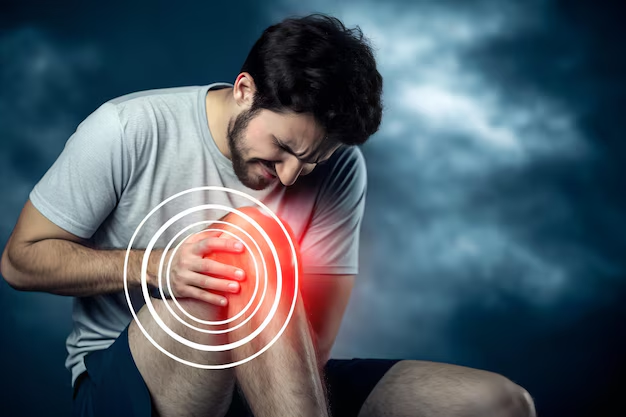
Symptoms of joint pain and swelling can vary depending on the affected joints. You might experience:
- Pain Discomfort or aching in the joint.
- Joint stiffness during movement Reduced flexibility or difficulty moving the joint.
- Pink or red skin discoloration over the joint Visible change in skin color indicating inflammation.
- Swelling or enlargement of the joint Noticeable increase in joint size.
- Muscle stiffness surrounding the joint Tightness or reduced mobility in nearby muscles.
- Sensation of warmth on the skin surrounding the joint Feeling of heat over the affected area.
Joint pain can hinder mobility, interfere with daily tasks like washing and dressing, and affect work for some individuals.
Not sure these symptoms match yours?
Try our FREE symptoms checker to compare what your pain might
What exactly is joint pain?
Joint pain is discomfort that occurs in one or more joints in your body. A joint is the point where two or more bones connect. For instance, your hip joint is where your thigh bone joins your pelvis.
Joint discomfort is common and often experienced in the hands, feet, hips, knees, or spine. The pain can be persistent or intermittent, with joints sometimes feeling stiff, achy, or sore. Some individuals describe a burning, throbbing, or “grating” sensation. Additionally, joints may be stiff upon waking but tend to loosen with movement and activity. However, excessive activity can exacerbate the pain.
Joint pain can impair joint function and restrict your ability to perform everyday tasks. Intense pain may also diminish your overall quality of life. Effective treatment should address not just pain relief but also help you resume daily activities and live fully.
What are the causes of joint pain?
The most common causes of joint pain include:
- Osteoarthritis
- Rheumatoid arthritis (RA
- Gout
- Bursitis
- Tendinitis
Additionally, viral infections, rashes, or fever might cause joint movement to be painful. Injuries like broken bones or sprains can also lead to joint pain.
Still unsure what's causing your symptoms?
What are the factors that increase the risk of joint pain?
Joint pain typically impacts individuals with:
- Arthritis or other chronic medical conditions.
- Past injuries affecting a joint.
- Repeatedly used or overused a muscle.
- Depression, anxiety, and/or stress.
- Overweight, defined as a BMI over 25, or obesity, with a BMI above 30.
- Age also influences the development of stiff, painful joints. After years of use and wear, joint issues may begin to appear after age 45.
What are the available treatments for joint pain?
While a cure for joint pain may not be available, it can often be managed. Sometimes, OTC medications or daily exercises alleviate the pain. In other cases, persistent pain might indicate issues that require prescription drugs or surgery for correction.
Joint pain treatment includes:
- Simple at-home remedies: include applying a heating pad or ice to the affected area for short intervals multiple times daily. Additionally, soaking in a warm bath might help ease discomfort.
- Exercise: can aid in restoring strength and function. Opt for low-impact activities such as walking, swimming, or similar aerobic exercises.
- Weight loss: Your doctor may suggest weight loss if necessary to help lessen the stress on your joints.
- Medication: options such as Acetaminophen (Tylenol®) or NSAIDs can help relieve your pain. These are available over the counter, but higher doses might need a prescription. If you have a history of stomach ulcers, kidney, or liver disease, consult your doctor to determine if these medications are suitable for you.
- Topical treatments: Your doctor may recommend ointments or gels for the affected joint to help alleviate pain. Some of these can be purchased over the counter, while others might require a prescription from your doctor.
- Dietary supplements: Glucosamine might assist in alleviating pain. Consult your doctor before using any over-the-counter supplements.
- Physical or occupational therapy: combined with a balanced fitness routine, can gradually decrease pain and enhance flexibility.
Not sure these symptoms match yours?
Try our FREE symptoms checker to compare what your pain might
What are effective ways to prevent joint pain and swelling?
Joint pain and swelling can result from various factors, making prevention challenging. Adopting a healthy lifestyle may help alleviate your symptoms.
- Maintain a healthy weight: Excess body weight adds extra stress to joints like the knees, hips, and lower back. Losing weight can lessen this stress, enhance mobility, and potentially alleviate joint pain.
- A healthy diet: that is low in sugar and processed foods can promote joint health. Consuming foods rich in omega-3 fatty acids, such as salmon, may help with chronic joint conditions such as arthritis.
- Regular exercise: helps maintain the strength of your muscles, bones, and joints. Feeling some discomfort during activity is normal and doesn’t indicate joint damage. Choose an activity that fits your abilities and gradually increase intensity. A physical therapist can help develop a safe exercise plan tailored to you.
Living with joint pain
Joint pain can be an essential warning sign; it signals that something may be wrong. Even so, identifying the cause of pain and finding a solution can be challenging. If you experience joint pain, consult your doctor. They will ask numerous questions to understand the issue. It might take time and some trial and error, but with patience, you should eventually find relief and return to the activities you enjoy.
Still unsure what's causing your symptoms?
Frequently Asked Questions
What are the potential complications associated with joint pain and swelling?
Joint pain and swelling can impact your quality of life, causing issues like decreased mobility, difficulty working, and a higher risk of mental health problems.
Can stress be a cause of joint pain?
Joint pain is often linked to stress, but stress doesn’t directly cause it. Instead, it can worsen existing pain. During stressful times, the body increases production of cortisol and adrenaline. Adrenaline can heighten pain perception, raise blood pressure, and increase heart rate. Cortisol, on the other hand, reduces the production of anti-inflammatory chemicals that help reduce joint pain and swelling. As a result, higher cortisol levels from stress lead to more inflammation, making it harder for your body to heal minor joint or muscle injuries. Additionally, stress can lead to unhealthy habits like smoking or eating poor-quality foods, which can negatively impact overall health over time.
Can allergies lead to joint pain?
Allergies and joint pain are connected. Individuals with inflammatory conditions like rheumatoid arthritis often experience intensified symptoms. Allergies can lead to sinus inflammation, resulting in headaches, facial pressure, and congestion. This inflammation can spread, causing swollen lips or a sore throat. If you already have joint inflammation, allergies may aggravate it, leading to increased joint pain.
Does the weather influence joint pain?
Yes, in many situations. Joint pain often results from inflammation. If someone already has compromised joint health, extreme temperatures can trigger flare-ups or intensify existing pain. For instance, cold weather causes the body to conserve heat by reducing blood flow to the extremities and constricting blood vessels. This can lead to ‘cold joints’ that are stiffer and may cause more pain and swelling, especially in conditions like arthritis. Conversely, hot weather increases blood flow and causes blood vessels, especially in the skin, to expand. This can lead to dehydration, resulting in muscle soreness and other aches that worsen joint pain.
Does alcohol or smoking influence arthritis symptoms and joint discomfort?
Alcohol can cause inflammation in some people, so it should be avoided if you have arthritis. Smoking also releases chemicals that promote inflammation. Furthermore, alcohol might reduce how well certain medications work. As discussed earlier with NSAIDs, nonsteroidal anti-inflammatory drugs may not be effective if they don’t act well in your system. Smoking can also interfere with medications that depend on your gut bacteria, which help with digestion and are essential for health. In addition to worsening symptoms and disrupting treatment, heavy drinking and smoking are linked to a higher risk of osteoporosis and gout. Alcohol consumption is associated with both, and smoking further increases osteoporosis risk, possibly because nicotine affects blood vessels and estrogen levels in women.