
Brief overview of blood cancer symptoms
Symptoms of leukemia vary depending on its type. Typical signs and symptoms include:
Fever or chills Sudden rise in body temperature or feeling cold.
Persistent fatigue and weakness Feeling unusually tired or lacking energy consistently.
Recurrent or severe infections Infections that keep coming back or are unusually intense.
Unexplained weight loss Losing weight without trying or a clear reason.
Swollen lymph nodes, liver, or spleen enlargement Noticeable swelling in these organs.
Easy bruising or bleeding Bruises or bleeding occurring with minimal injury.
Recurring nosebleeds Frequent episodes of nosebleeds.
Tiny red spots on your skin (petechiae) Small red or purple dots appearing on the skin.
Excessive sweating, especially during the night Heavy sweating, often interrupting sleep.
Bone pain or tenderness – Persistent discomfort or soreness in bones.
What exactly is blood cancer?
Leukemia is a type of cancer that affects the blood-forming tissues of the body, such as the bone marrow and the lymphatic system. Blood cancer impacts the production and function of blood cells. Many types originate in the bone marrow, the soft tissue inside your bones, including most leukemias and multiple myeloma. Here, stem cells develop into various blood cells: red blood cells that transport oxygen; white blood cells that fight infections; and platelets that help blood clot. Lymphomas originate in the lymphatic tissue.
Leukemia comes in various forms, with some more prevalent in children and others primarily affecting adults. It mainly impacts white blood cells, which are vital for infection defense. Usually, these cells develop and divide in an organized way aligned with your body’s needs. In leukemia, however, the bone marrow produces too many abnormal white blood cells that do not function correctly. The treatment process for leukemia can be complex and varies by type and individual factors. Nonetheless, specific strategies and resources can support your treatment success.
What are the causes of blood cancer?
Blood cancer starts when the DNA in blood cells mutates. Your DNA directs cells’ actions, such as when they should grow, divide, or die.
When blood cell DNA gives incorrect instructions, your body creates abnormal blood cells. These cells multiply faster than usual, crowding out healthy blood cells with a sea of abnormal ones. Over time, this reduces the production of normal bone marrow cells, resulting in a shortage of vital blood cells.
What elements might increase your risks?
Factors that may increase your risk of developing specific types of leukemia include:
- Previous cancer treatments: including certain chemotherapies and radiation therapies for other cancers, can elevate the risk of developing specific types of leukemia.
- Genetic disorders: Genetic abnormalities appear to play a role in the development of leukemia. For example, certain genetic conditions, such as Down syndrome, are associated with an increased risk of leukemia.
- Exposure to specific chemicals: such as benzene, present in gasoline and utilized in the chemical industry, is associated with an increased risk of certain types of leukemia.
- Cigarette smoking: increases the risk of developing acute myelogenous leukemia.
- A family history: of leukemia may increase your risk of being diagnosed with it too.
However, most people with identified risk factors do not develop leukemia, and many with leukemia lack these risk factors.
How is blood cancer diagnosed?
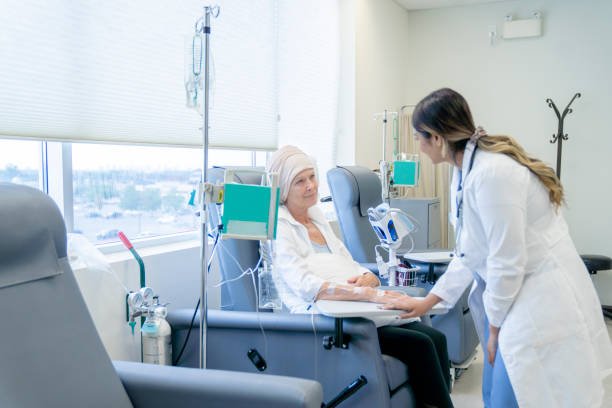
Doctors can diagnose chronic leukemia via a routine blood test even before symptoms develop. If this happens or if you exhibit signs or symptoms indicating leukemia, you may need to undergo the following diagnostic procedures:
- During the physical exam: your doctor will look for signs of leukemia, including pale skin caused by anemia, swollen lymph nodes, and enlarged liver and spleen.
- Blood tests: involve analyzing a blood sample to identify abnormal levels of red or white blood cells and platelets, which could signal leukemia. These tests can sometimes detect leukemia cells, but not all types of leukemia circulate in the blood; in some cases, the leukemia cells stay in the bone marrow.
- Bone marrow test: Your doctor may recommend a procedure to extract a sample from your hipbone using a long, thin needle. The sample is sent to a lab to look for leukemia cells. Tests on these cells can identify their features, helping to determine the best treatment options.
What are the common treatments for blood cancer?
Treatment for leukemia varies depending on several factors. Your doctor determines the best approach based on your age, general health, the specific type of leukemia, and whether the disease has spread to other areas, such as the central nervous system.
Common treatments used to combat leukemia include:
- Chemotherapy: is the primary treatment for leukemia, utilizing drugs to eliminate leukemia cells.
- Targeted therapy: uses drugs designed to attack specific abnormalities in cancer cells. By focusing on these abnormalities, the drugs can induce cancer cell death.
- Radiation therapy: involves using X-rays or other high-energy beams to harm leukemia cells and prevent their growth.
- Bone marrow transplant: also called a stem cell transplant, restores healthy stem cells by replacing diseased bone marrow with leukemia-free stem cells that regenerate healthy marrow.
- Immunotherapy: leverages your immune system to fight cancer. Usually, cancer cells create proteins that block immune cells from attacking, helping the disease hide. Immunotherapy works to disrupt this, allowing your immune system to identify and target the cancer more efficiently.
- Engineering immune cells: to fight leukemia involves a treatment called chimeric antigen receptor (CAR)-T cell therapy.
- Clinical trials: are research studies testing new cancer treatments or new uses for existing therapies. While participating might give you or your child access to innovative options, the potential benefits and risks may not be obvious. Talk with your doctor to weigh the advantages and disadvantages of joining a clinical trial.
Check Blood Cancer Symptoms Now
Living with blood cancer
Medical treatments have advanced, and more people are living with blood cancer than ever before, with an increasing number of diagnoses now in remission. This is encouraging news. However, blood cancer remains a serious illness, and receiving a diagnosis is a significant concern. Therefore, it is crucial to utilize all available resources. Educate yourself about every treatment option, and ensure your healthcare provider explains how your diagnosis and treatment could affect your future.
Frequently Asked Questions
How can you lower your risk?
Blood cancers cannot always be prevented. Even healthy individuals can develop them. Nevertheless, you can lower your risk by avoiding certain behaviors like smoking.
Is there anything I can do to improve how I feel?
Blood cancer and its treatments can affect your overall health. Consider these tips: Eat nutritious, balanced meals, as treatment may lessen your appetite. If eating becomes tough, consult a dietitian for strategies to ensure you get proper nutrition and stay strong. Keep active, but check with your healthcare provider to find out what level of exercise is safe for you. Prioritize rest, listen to your body, and take breaks when needed, not just when you feel like it. Protect yourself from infections by asking your healthcare provider for infection prevention advice. Support your emotional well-being by talking to a therapist or joining a support group, which can help you manage life after cancer.
Is blood cancer treatable?
Yes. Often, blood cancer treatment aims for a cure, meaning the cancer is eliminated and unlikely to recur. But oftentimes, a cure is not achievable, and additional therapies may help some blood cancers enter remission. Remission indicates that the tumor has shrunk to a point where it cannot be detected.
What are the survival rates for blood cancer?
Survival rates vary depending on the type of blood cancer, but many people can live as long as those without the disease. It is essential to understand that the exact life expectancy cannot be predicted. Some blood cancer subtypes are more aggressive, and survival data may not reflect recent treatment improvements that are helping to extend lives. For example, lymphoma survival rates have doubled over the past 40 years, and the five-year survival rate for leukemia has quadrupled in that same period. Overall, more people are surviving blood cancer than ever before.
When is the right time to see my doctor?
Your doctor will inform you about the signs and symptoms to watch for after treatment. All cancer treatments can have side effects, some of which may be serious. Your doctor will guide you on managing specific side effects at home and advise you when to schedule an appointment or seek emergency care.