
Brief overview of lung cancer signs and symptoms
Lung cancer often stays asymptomatic in its early stages, with symptoms usually appearing only after the disease has advanced. Signs and symptoms related to the lungs may include:
Persistent new cough A cough that continues over time and is different from usual coughs.
Chest pain Discomfort or pain in the chest area that may accompany coughing.
Coughing up blood Expectoration of blood, even in small amounts, during coughing.
Hoarseness Changes in the voice, such as a raspy or strained sound.
Difficulty breathing Trouble catching your breath or feeling short of breath.
Wheezing A high-pitched whistling sound when breathing, especially during exhalation.
Signs and symptoms that arise when lung cancer metastasizes to other parts of the body may include:
- Bone pain.
- Headache.
- Losing weight effortlessly.
- Loss of appetite.
- Swelling in the face or neck.
- A small pupil and drooping eyelid in one eye, with little or no sweating on that side of the face, indicating Horner’s syndrome.
If you observe any of these signs, consult your doctor promptly. Early detection of cancer is crucial.
What exactly is lung cancer?
Lung cancer is a disease characterized by abnormal cell growth within the lungs. It mainly refers to cancers that begin in the lungs, usually in the airways (such as the bronchi or bronchioles) or in the small air sacs called alveoli. If cancer starts elsewhere and spreads to the lungs, it is typically named after its original site and may be classified as metastatic cancer to the lungs. The lungs are two spongy organs in the chest that are essential for breathing.
Lung cancer remains the leading cause of cancer-related deaths worldwide. Smokers face the highest risk, with the danger growing alongside the length of smoking habits and the number of cigarettes smoked. Quitting smoking, even after many years, dramatically lowers the risk of lung cancer. Additionally, lung cancer can occur in individuals who have never smoked.
What are the causes of lung cancer?
Lung cancer occurs when the DNA in lung cells mutates. DNA controls a cell’s activities by directing growth, division, and programmed cell death. In healthy cells, these processes are carefully regulated. But in cancer cells, mutations in DNA produce faulty instructions, making cells multiply uncontrollably and live longer than usual. This leads to an excess of cells, which form tumors.
Cancer cells can form a mass called a tumor. The tumor can grow, invade nearby tissues, and damage healthy cells. Over time, cancer cells may break away and spread to other parts of the body. When this occurs, it is known as metastatic cancer.
Smoking is the primary cause of most lung cancers and can affect smokers and those exposed to secondhand smoke. Nonetheless, lung cancer can also develop in individuals who have never smoked or been around secondhand smoke, with no identifiable cause in some cases.
What are the risk factors associated with lung cancer?
Various factors can raise the risk of lung cancer. Some, like quitting smoking, are controllable, while others, such as family history, are not. Risk factors for lung cancer include:
- Smoking: The risk of lung cancer increases with both the number of cigarettes you smoke daily and the total years you have smoked. Quitting at any age can significantly lower your chance of developing lung cancer.
- Exposure to secondhand smoke: Even if you do not smoke yourself, your risk of lung cancer rises when you’re around people who do. Inhalation of smoke from others’ cigarettes is known as secondhand smoke.
- Previous radiation therapy: Having received radiation treatment to the chest for another cancer may increase your risk of lung cancer.
- Radon gas is produced by the natural decay of uranium in soil, rock, and water, and it can accumulate in the air you breathe. Elevated radon levels can build up in any building, including homes.
- Exposure to workplace carcinogens: can raise your risk of lung cancer, particularly if you smoke. Substances associated with lung cancer include asbestos, arsenic, chromium, and nickel.
- Family History: Having a parent, sibling, or child with lung cancer raises an individual’s risk of developing the disease.
What methods are used to diagnose lung cancer?
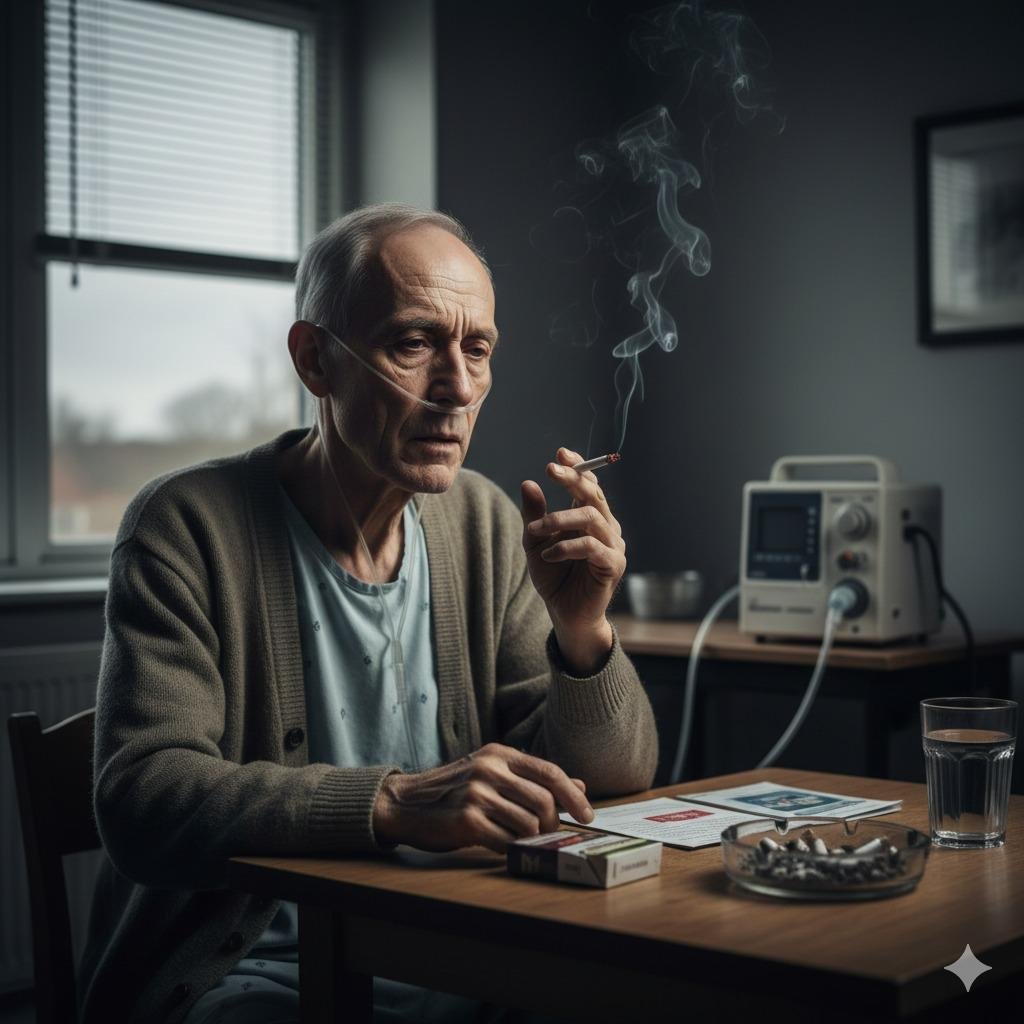
Diagnosing lung cancer usually begins with an imaging test of the lungs. If you show concerning symptoms, your doctor may start with an X-ray. For those who smoke or have a history of smoking, imaging might be recommended to detect early signs of lung cancer even before symptoms develop.
Tests for diagnosing lung cancer may include:
- Imaging tests: create images of the body to help determine the location and size of lung cancer. These tests can include X-ray, MRI, CT the scans, and positron emission tomography (PET), also called a PET scan. Annual low-dose CT scans may be advised by the doctor for high risk individuals for lung cancer screening (50 to 80 years old, ≥ 20 pack-years, current or recent smokers).
- Sputum cytology: involves analyzing mucus coughed up from the lungs under a microscope. If you are coughing up sputum, it can sometimes reveal lung cancer cells.
- Biopsy: is a procedure that involves removing a tissue sample for laboratory analysis. Your healthcare team can perform a lung cancer biopsy, and a sample may also be taken from lymph nodes or other areas where the cancer has spread.
Your cancer cells will undergo detailed testing in a laboratory to identify the specific type of lung cancer. The findings can help predict your prognosis and inform your treatment options.
What are the treatment options for lung cancer?
Lung cancer treatments aim to eradicate the cancer or inhibit its progression. These therapies can remove cancerous cells, destroy them, prevent their division, or train your immune system to combat them. Some treatments also focus on alleviating symptoms and reducing pain. Your specific treatment plan will depend on the type of lung cancer, its location, and stage, as well as other key factors.
Treatments for lung cancer include surgery, radiofrequency ablation, radiation therapy, chemotherapy, targeted drug therapy, and immunotherapy.
- Surgery: could be an option for NSCLC that hasn’t metastasized and for SCLC limited to a single tumor. The surgeon may excise the cancer along with a small margin of healthy tissue to reduce the risk of residual cancer cells. Sometimes, removing all or part of the lung (resection) is required to enhance the likelihood of preventing recurrence.
- Radiofrequency ablation (RFA): is occasionally employed to treat small peripheral NSCLC tumors in patients who are not good candidates for surgery or radiation. It utilizes high-energy radio waves to heat and destroy cancer cells.
- Radiation therapy: uses high-energy beams to destroy cancer cells. It can be given alone or in combination with surgery to improve results. Also, radiation can be used palliatively to shrink tumors and alleviate pain. This approach applies to both NSCLC and SCLC.
- Chemotherapy: usually involves using a combination of drugs to prevent cancer cells from growing. It can be given before or after surgery, or in combination with other treatments such as immunotherapy. For lung cancer, chemotherapy is typically administered via an IV.
- Targeted drug therapy: uses specific medications to target mutations in lung cancer cells that promote their growth in certain NSCLC patients. These drugs work to slow or destroy cancer cells. Moreover, angiogenesis inhibitors are employed to prevent the development of new blood vessels necessary for tumor growth.
- Immunotherapy: assists your immune system in recognizing and targeting cancer cells that typically evade detection and destruction. While our bodies usually identify and eliminate damaged or harmful cells, cancer often avoids this process. By exposing cancer cells to the immune system, immunotherapy enhances your body’s ability to combat cancer.
- Palliative treatments: focus on alleviating symptoms such as pain and difficulty breathing caused by lung cancer. These approaches include shrinking or removing tumors that obstruct airways and draining excess fluid from around the lungs to prevent reaccumulation.
What are the ways to prevent lung cancer?
There is no guaranteed way to prevent lung cancer, but you can lower your risk if you:
- Avoid smoking: If you have never smoked, refrain from starting.
- Stop smoking: Quit now. Quitting reduces your risk of lung cancer, even if you’ve smoked for years.
- Avoid secondhand smoke: by encouraging smokers to quit or smoke outside. Stay away from smoking areas like bars and opt for smoke-free places.
- Test your home for radon: by measuring the radon levels, particularly if you reside in a region with known radon issues.
- Take precautions to avoid carcinogens: at work by protecting yourself from harmful chemicals. Always adhere to your employer’s safety protocols.
- Consume a balanced diet: by selecting a variety of these foods. Refrain from taking large amounts of supplements and vitamins in pill form. A high dose beta-carotene supplements, or a combination of beta-carotene and vitamin A supplements, may increase lung cancer risk in smokers. There is also evidence of Vitamin B6, Vitamin B12 and Vitamin E being linked with increased risk of lung cancer.
- Exercise consistently: striving to stay active on most days each week. If you are beginning, start gradually.
Check Lung Cancer Symptoms Now
Living with lung cancer
A lung cancer diagnosis can evoke many emotions. Support from loved ones or support groups can help evaluate choices and express preferences. Cancer treatment is a journey, and self-care is vital. Consider bringing a friend or family member to appointments for support; they can help recall information and options shared by your provider. Planning for how you will feel afterward, such as asking for extra help, preparing meals, or keeping a light schedule, can be helpful. Ask your doctor about maintaining a healthy diet, even if you do not feel well. Stay well-hydrated and engage in exercise as advised. Keep significant contact numbers accessible in case issues arise, since you may see multiple providers. Joining a support group can offer perspective from others who have been in your position. Even after treatment, ongoing support and self-care are essential. Do not hesitate to seek help, follow up with your provider, and prioritize your well-being.
Frequently Asked Questions
What symptoms indicate the early stages of lung cancer?
A cough or pneumonia that repeatedly returns after treatment can sometimes be an early sign of lung cancer, though it may also stem from less severe conditions. Vital signs of lung cancer include a persistent or worsening cough, shortness of breath, chest pain, hoarseness, or unexplained weight loss. The symptoms can vary depending on the tumor’s location in the lungs; some may appear early, in stages I or II, but often, symptoms only show up once the cancer has progressed. That is why screening is crucial if you are at higher risk.
How long can a person have lung cancer before they become aware of it?
Cancer can grow in your body for years without being noticed. Lung cancer, in particular, often shows no symptoms in its early stages.
Does vaping cause lung cancer?
You can inhale different substances when you vape, using a device to take in a mist of nicotine and flavors, including some carcinogens, substances known to cause cancer. Since vaping is relatively new, its long-term health effects are not yet fully known, but experts suggest it might potentially lead to lung damage, including airway inflammation and even severe lung injury (E-cigarette or Vaping associated Lung Injury or EVALI).
Can lung cancer occur without smoking?
Although smoking is the primary risk factor for lung cancer, as many as 20% of those diagnosed have never smoked. Therefore, it is crucial to discuss any concerning symptoms with your healthcare provider.
Does lung cancer tend to spread quickly?
The rate of lung cancer spread varies by type. Usually, small-cell lung cancer progresses more rapidly than non-small-cell lung cancer. Often, by the time it is diagnosed, the cancer may have already spread to lymph nodes or other organs.