
Epilepsy
Overview
Epilepsy is a chronic neurological disorder which leads to recurrent seizures. The causes of these seizures are sudden bursts of electrical activity in the brain. It may affect individuals of all ages, but it normally begins during childhood or later in life. Most of the questions are whether epilepsy is a disability or not; the answer to this question depends on the severity. In most instances epilepsy is known to be a disability. Through proper care, drugs and lifestyle changes, epilepsy can be controlled. There are those who can live without seizures over the years, or those who can experience frequent seizures like intractable epilepsy, which is more difficult to manage. Early diagnosis and treatment with awareness enhances quality of life.
What is epilepsy?
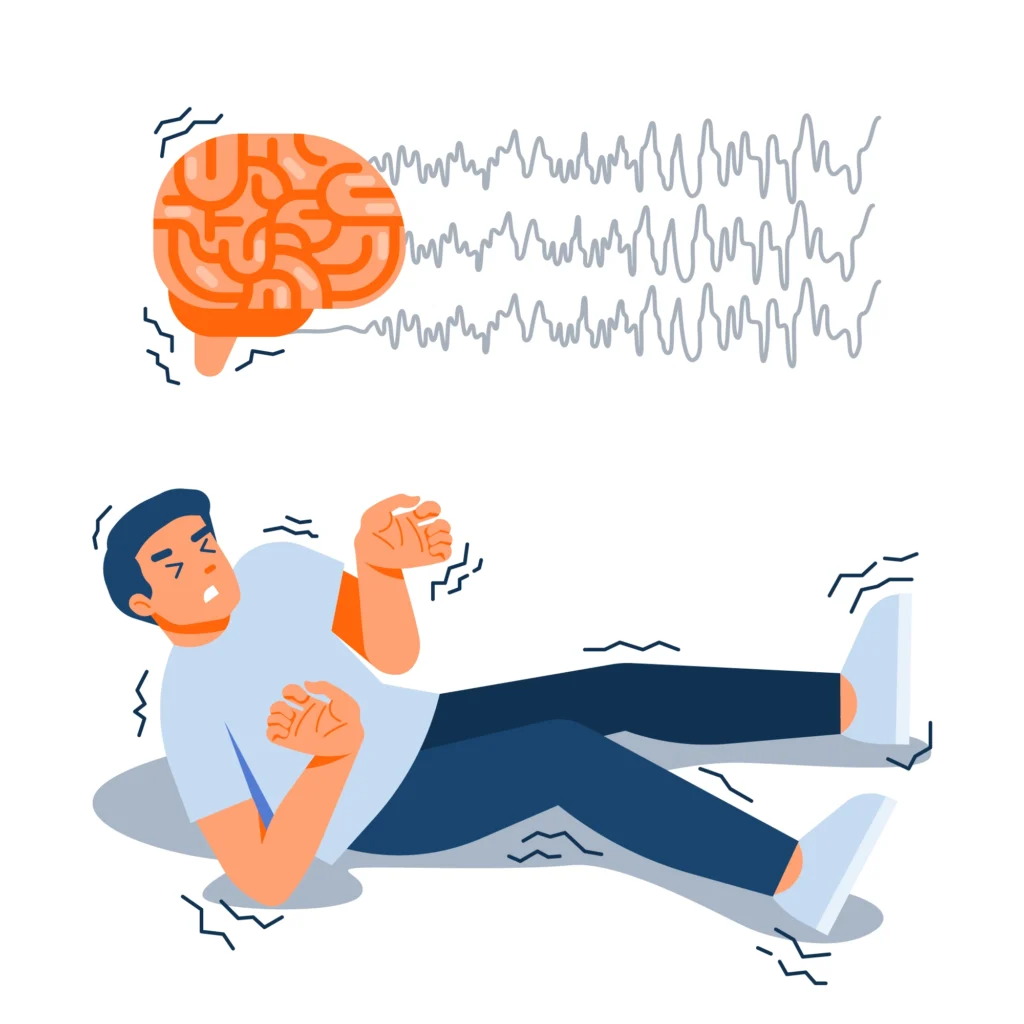
Epilepsy is a brain disorder that causes recurring brain seizures. A seizure is a temporary disturbance of brain functioning which can concern movement, awareness or behaviour. Not every seizure implies epilepsy, but recurring unprovoked seizures typically verify the disease. Some people wonder if epilepsy is genetic or if epilepsy is hereditary. Genetics also contribute in most instances, and particularly in idiopathic epilepsy, where there is no apparent cause. Nevertheless, it may also be caused by injuries, infections or brain conditions.
Types of Epilepsy
Focal Epilepsy
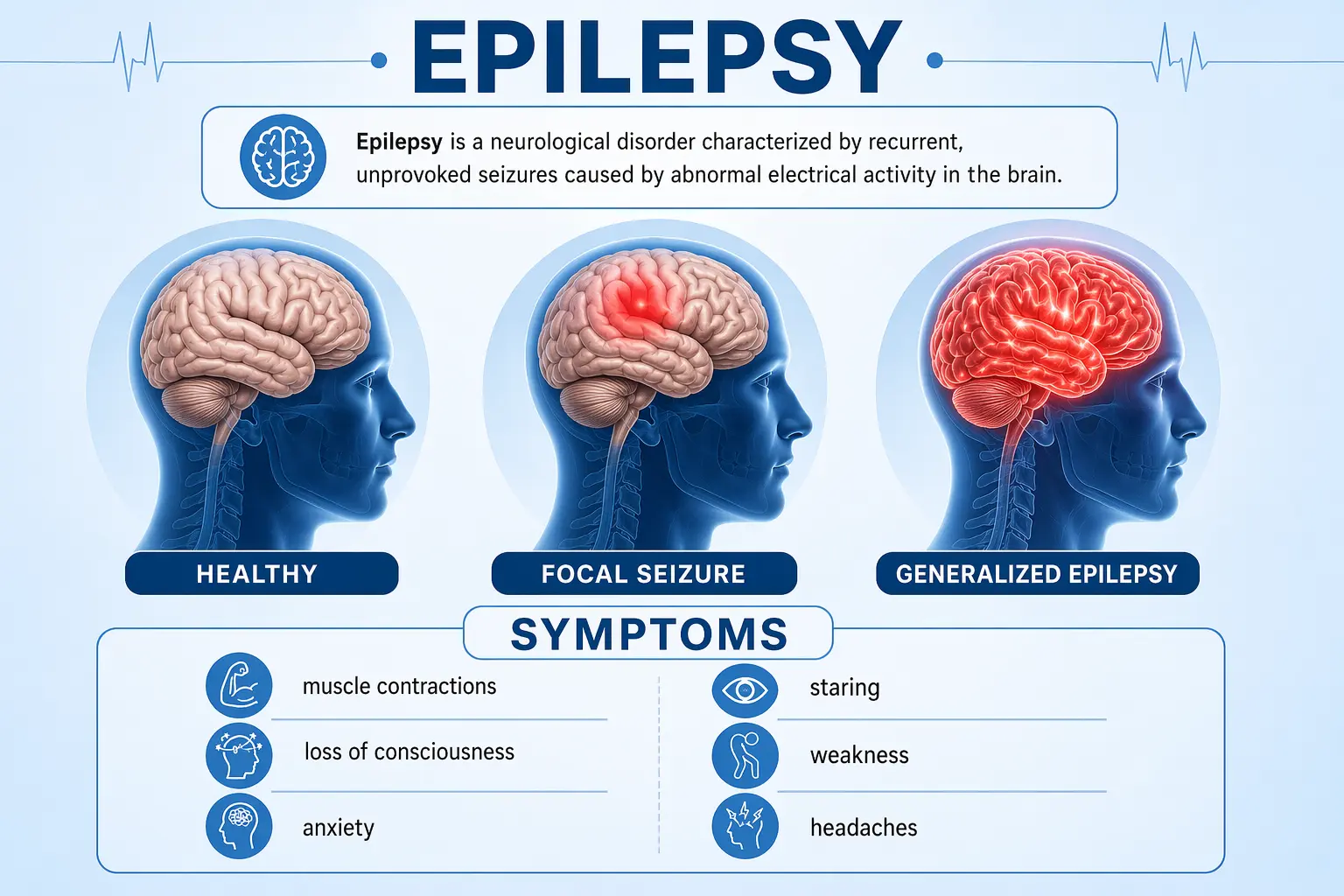
Seizures begin in one of the brain parts. Symptoms can be abnormal sensations, confusion, or repetitive movements.
Generalised epilepsy
The seizures occur on either side of the brain. These are absence seizures, tonic-clonic seizures and myoclonic seizures.
Catamenial Epilepsy
The type is associated with changes in hormones during the menstrual cycle. At times of the month, women might experience an increase in seizures.
Benign Rolandic Epilepsy
One of the frequent childhood epilepsies that usually resolves as one grows. It normally does not lead to long-term problems.
Intractable Epilepsy
Sometimes referred to as drug-resistant epilepsy. Seizures are not easily treated with drugs and might need sophisticated therapies.
Reflex Epilepsy
Caused by certain stimuli like flashing lights or stress.
Epilepsy Symptoms (Check Your Symptoms)
The symptoms differ with the type and severity of seizures. Some signs are mild and others are more evident.
Common symptoms include:
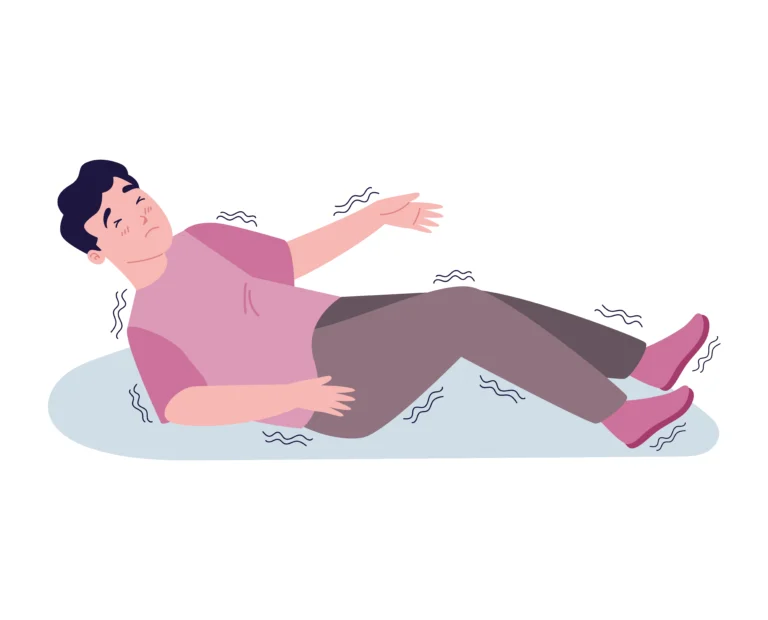
- Sudden jerking movements
- Loss of consciousness
- Staring spells
- Misunderstanding or forgetfulness.
- Awkward feelings or emotions.
- Loss of awareness temporarily.
There can be warning signs known as ‘auras’ before a seizure for some people. In case of recurrences or aggravation of symptoms, medical consultation is required.
Epilepsy Causes and Risk Factors.
There are numerous causes of epilepsy, and in some cases, it is not known what exactly causes the disease.
Common causes include genetics
(is epilepsy hereditary?), head injury or trauma, stroke or tumours, meningitis and other infections, birth complications, and developmental disorders. Risk factors can be family history, age, and neurological conditions. There are those individuals who develop seizures with no obvious trigger.
Tests and Diagnosis of Epilepsy
To diagnose epilepsy and determine the seizure type, doctors resort to a number of tests.
The typical ways of diagnosis are the following:
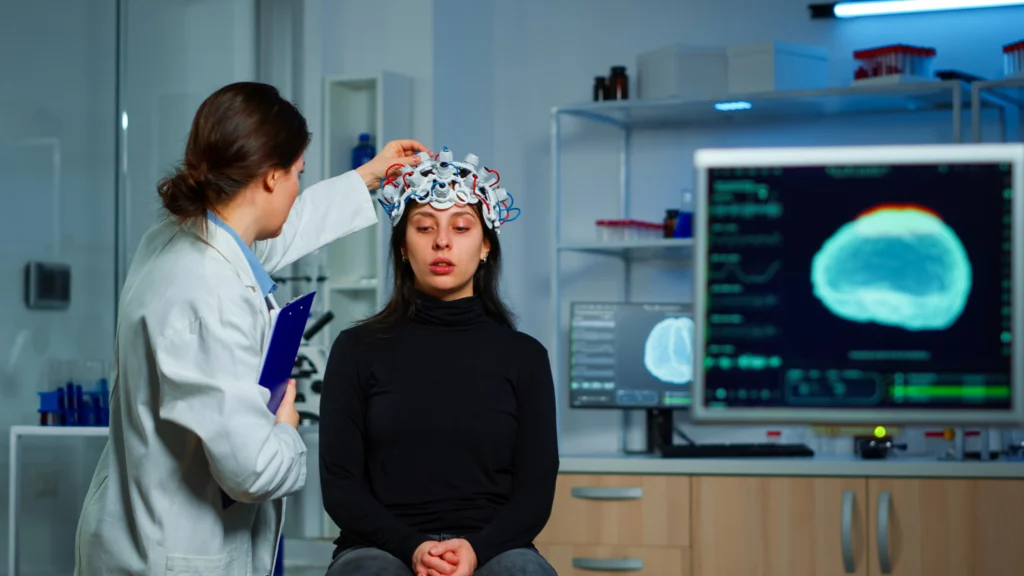
Neurological examination, EEG (electroencephalogram) to assess the activity of the brain, MRI or CT scan to identify brain abnormalities, Blood tests to eliminate other conditions. Physicians can also employ seizure scales and history tracking. Proper diagnosis is essential for effective treatment planning.
ICD 10 Code of Epilepsy.
The ICD 10 code of epilepsy is G40. They are used to classify, bill, and keep medical records. Various subtypes can be more specific codes based on type of seizure.

Epilepsy Treatment
The treatment is based on the type and the severity of epilepsy. With adequate care, many individuals are able to control their seizures.
Common treatments include anti-seizure drugs (epilepsy FDA-approved drugs), modifications to lifestyle like adequate sleep and managing stress, some instances of the ketogenic diet, surgery for severe cases, deep brain stimulation (epilepsy DBS list), and vagus nerve stimulation. Such medication as Zynrelef, a pain medication for epilepsy conditions, can be mentioned in certain situations, but the seizure-specific drugs are typically favoured.
Living With Epilepsy
Epilepsy is something that needs to be managed and known. With proper treatment, many people live normal and active lives.
Some of the key lifestyle suggestions are: On-time medication, Excluding triggers such as stress and sleep deprivation, Having a healthy routine, Educating family and friends. A common concern is can people with epilepsy drive? With controlled seizures over a certain time, driving is permitted in most locations. Countries have different laws.
Complications of Epilepsy
Epilepsy may cause complications without being properly managed.
Possible complications include:
- Injuries during seizures
- Mental and emotional health problems.
- Childhood learning problems.
- Status epilepticus (recurrent convulsions)
- Sudden unexpected death in epilepsy (SUDEP)
The question that people tend to ask is, can you die of epilepsy? Although uncommon, life-threatening complications may contribute to the danger, particularly when untreated.
FAQS
Is epilepsy genetic?
Yes, there are certain forms of epilepsy that are genetically related. Not every case is inherited, though, and most are a result of other factors.
Is epilepsy a disability?
Epilepsy may be regarded as a disability when it impacts daily life, work or independence. In most countries, legal protection and support are given.
Are epileptics able to drive?
Yes, provided that seizures are under good control. There are different driving regulations, and a no-seizure time is normally mandatory.
Is it possible to die of epilepsy?
In infrequent instances, epilepsy may cause severe side effects such as SUDEP. This risk is minimised with proper treatment.
What is catamenial epilepsy?
Catamenic epilepsy is associated with hormonal fluctuations in the menstrual cycle. At certain times, seizures can get worse.