
Gastritis
Overview
Gastritis refers to a disease that involves inflammation or irritation of the stomach lining. It may be acute or may develop gradually. There are quite a number of individuals with mild symptoms and some with severe discomfort. The typical causes are infections, alcohol and some medications. Early knowledge about gastritis can prevent complications and enhance recovery.
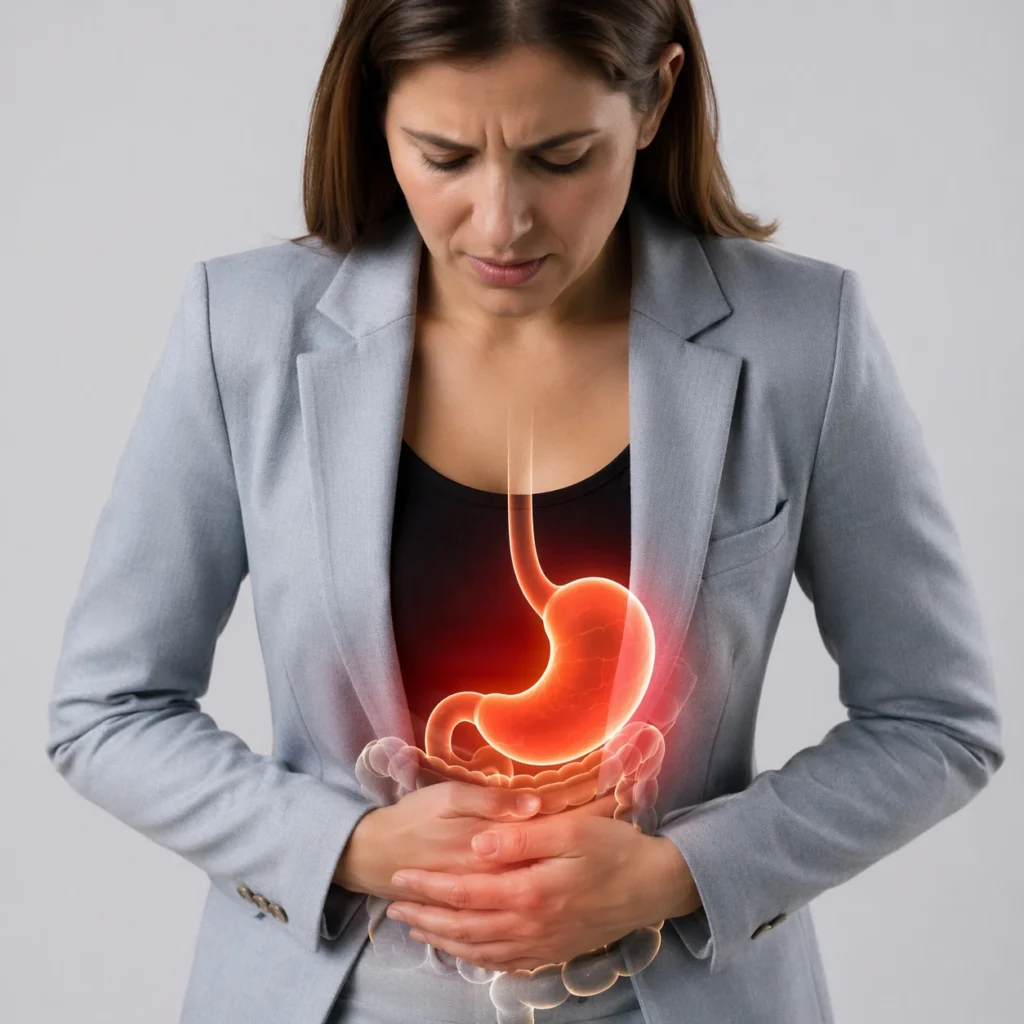
What Is Gastritis? Conditions?
Types of Gastritis
Chronic Gastritis
Chronic gastritis develops slowly and lasts longer. It can be caused by irritation over a long period or autoimmune problems. A large number of cases are attributed to bacterial infection.
Eosinophilic Gastritis
Eosinophilic gastritis is an infrequent disorder. It is a condition that has many immune cells in the stomach lining. It can be associated with allergies or immune responses.
Gastritis Symptoms (Check Your Symptoms)
The symptoms of gastritis are mild to severe. Not all people will experience any symptoms at the beginning.
Common symptoms include:
- Pain in the upper abdomen that is burning.
- Nausea and vomiting
- Feeling full quickly
- Loss of appetite
- Bloating and gas
- Indigestion
- Gastritis symptoms: back pain in some cases
In severe situations, the symptoms can involve bloody vomiting or black stools. Immediate medical help is needed in such situations.
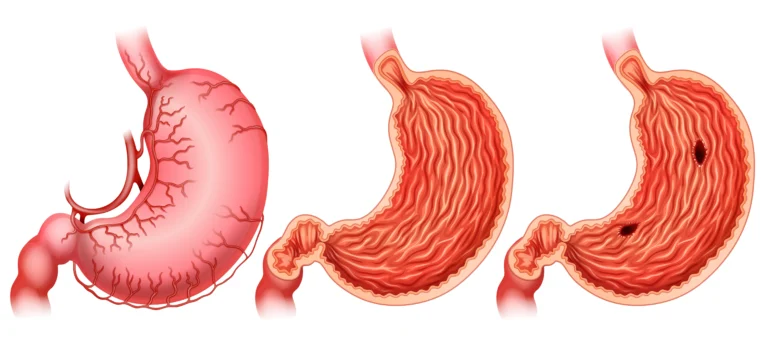
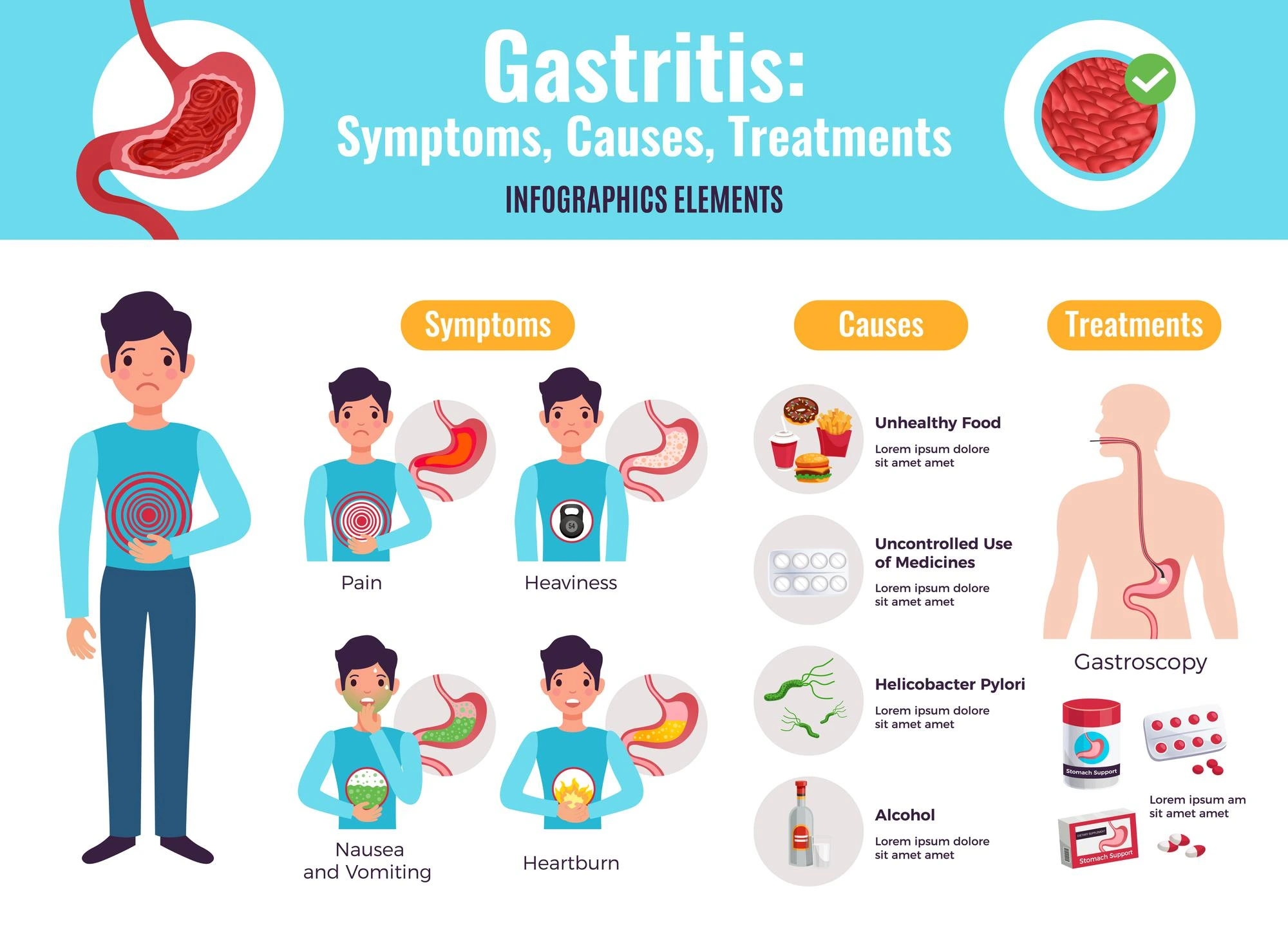
Causes and Risk Factors of Gastritis
Gastritis may occur as a result of a number of causes. The bacterial infection is the most widespread.
Main Causes: Infection with Helicobacter pylori, alcoholism (excessive use of alcohol) (gastritis), long-term use of painkillers, stress and extreme illness. Autoimmune disorders
Risk Factors: Poor diet habits, smoking, older age, repeated use of NSAIDs, and chronic stress.
Food is also an important factor. Individuals usually seek foods to avoid with gastritis since the diet has a significant influence on symptoms.
Tests and Diagnosis of Gastritis
Gastritis is diagnosed in various ways by doctors. The aim is to determine the cause and severity.
Common Tests: Blood tests to identify infection; bacterial stool tests; breath tests for Helicobacter pylori; endoscopy tests to check the stomach lining; and biopsy, if needed. Early diagnosis assists in making the right treatment and avoiding complications.
ICD 10 Code of Gastritis.
The ICD-10 code for chronic gastritis is usually found under K29.5. The medical records and billing of the condition are assisted by this code to aid the doctors and hospitals in classifying the condition.

Treatment
Treatment is dependent on the cause and severity. The primary aim is to lessen the inflammation and alleviate symptoms.
Medications: Antacids to neutralize acid, Proton pump inhibitors (PPIs), antibacterial infection antibiotics, Acid blockers
Diet Changes: It is very important to follow a diet for gastritis. The gastritis diet is a bland food diet that helps to reduce irritation.
Foods to consume with gastritis: boiled vegetables, rice and oatmeal, bananas, and lean proteins.
Foods to avoid when having gastritis include spicy foods, fried items, alcohol, and caffeine. A good number of individuals have a 7-day meal plan to deal with gastritis.
Living With Gastritis
Gastritis is a condition that needs lifestyle changes to live with. Proper treatment will allow most individuals to heal.
Tips include the following: eat smaller meals, avoid trigger foods, manage stress, limit alcohol intake, and stay hydrated. Consistency is key. Habits are good to stop recurrence.
Complications of Gastritis
Gastritis may result in serious issues when it is not treated.
Possible complications include:
- Stomach ulcers
- Bleeding
- Anemia
- Increased risk of stomach cancer
Chronic gastritis cannot be overlooked. Early intervention lessens risks.

FAQS
What is the duration of gastritis?
Acute gastritis can take between a few days and several weeks. The chronic gastritis may take months or even years. Treatment and lifestyle changes affect recovery time.
Which is the best diet for gastritis?
Gastritis is advised to be treated with a bland food diet. It consists of soft low-acid foods. Better healing should be achieved by avoiding spicy, fried, and acidic foods.
Is it possible that alcohol leads to gastritis?
Yes, alcohol is a significant cause. Alcoholic gastritis is the irritation of the stomach lining by alcohol. Intake helps to avoid symptoms.
What are gastritis symptoms?
The symptoms of gastritis are stomach pain, nausea, bloating, and indigestion. Others might also experience fullness after having eaten small meals.
Remedio para la gastritis urgente?
Remedio para la gastritis urgente has antacids and avoids trigger foods. Severe symptoms should be medically advised.