
GERD (Gastro-oesophageal Reflux Disease)
Overview
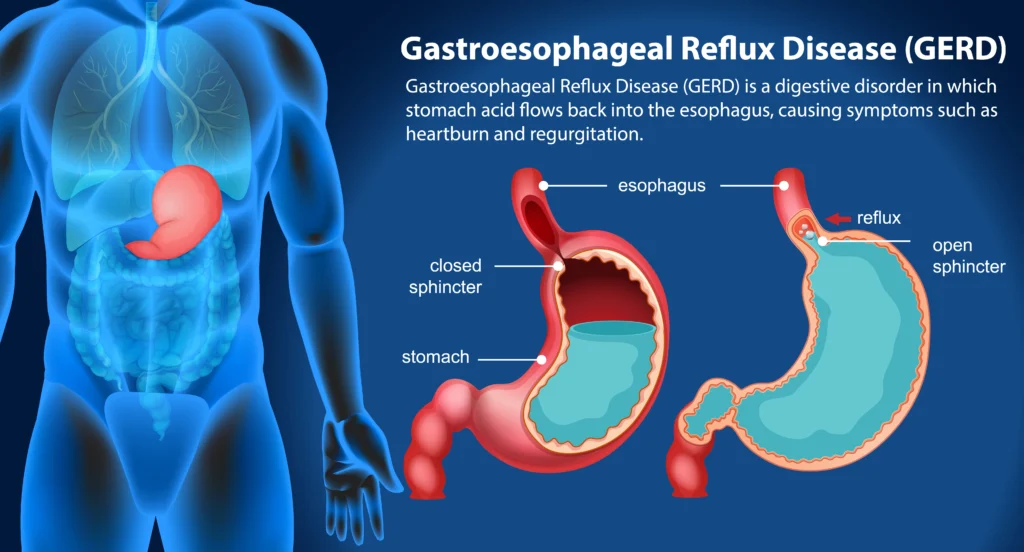
GERD is a chronic digestive disease in which the stomach acid is retrograde, i.e., it moves backwards into the oesophagus. This is known as acid reflux and may cause irritation to the lining. GEERD has been mistaken by many individuals for occasional heartburn, but GERD is more common and long-term. It may influence day to day comfort, sleep and eating patterns. GERD can be mild but improve with time. It can also cause complications when not treated. Early identification assists in control of the symptoms. Knowledge of triggers and lifestyle habits is important to control.
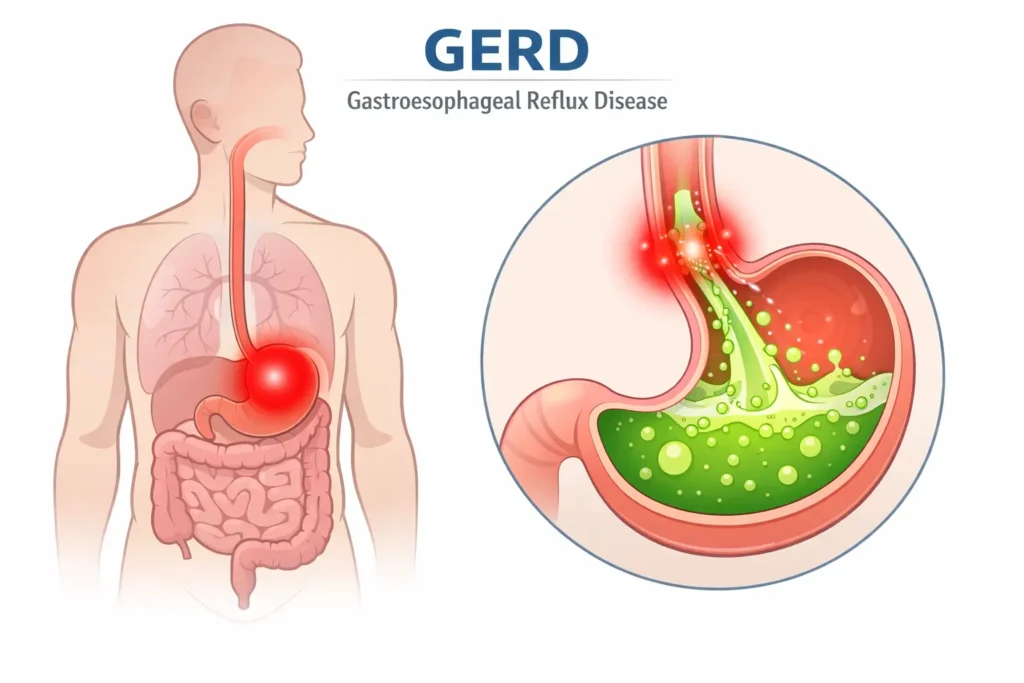
What Is GERD (Gastro-oesophageal Reflux Disease)?
GERD occurs due to the weakness or untimely relaxation of the lower oesophageal sphincter. This enables the acid to be transferred up to the oesophagus. It is not just ordinary acid reflux as it is regular.
There are individuals who have silent GERD, or silent reflux. Symptoms such as heartburn may not be experienced in this case. Rather, the throat irritation or coughing becomes more frequent. GERD is a condition that is present in adults and children.
Types of GERD
Non-Erosive GERD
This one does not harm the lining of the oesophagus. Symptoms continue to be frequent.
Erosive GERD
This is characterised by inflammation or visible damage in the oesophagus.
GERD Without Oesophagitis
In this form there are symptoms that are not inflammatory. There are numerous cases of GERD without oesophagitis.
Silent GERD
This type is also known as silent GERD. It mainly affects the throat and voice.
Refractory GERD
This type does not respond well to standard treatment like medications. Symptoms continue despite therapy. It often requires advanced evaluation and specialized care.
GERD symptoms (Check Your Symptoms)
GERD symptoms are different in individuals. There are those who experience some slight discomfort and those who have problems on a daily basis.
Common symptoms include:
- Aches in the chest (heartburn)
- Sour taste in the mouth.
- Difficulty swallowing
- Vomiting food or water.
- Chronic cough (Does GERD cause cough?) Yes, it can.
Other effects can be:
- Hoarseness or a sore throat.
- Pain in the chest following meals.
- Nausea or bloating
The symptoms may be manifested in animals, in infrequent instances of GERD in dogs or acid reflux in cats.
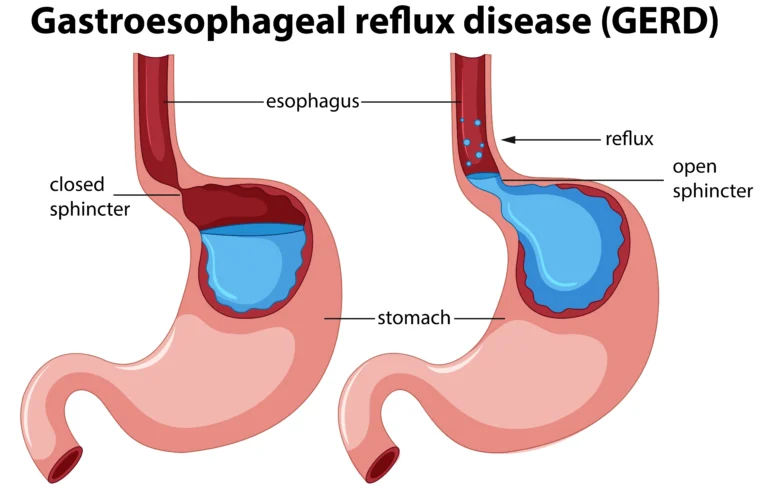
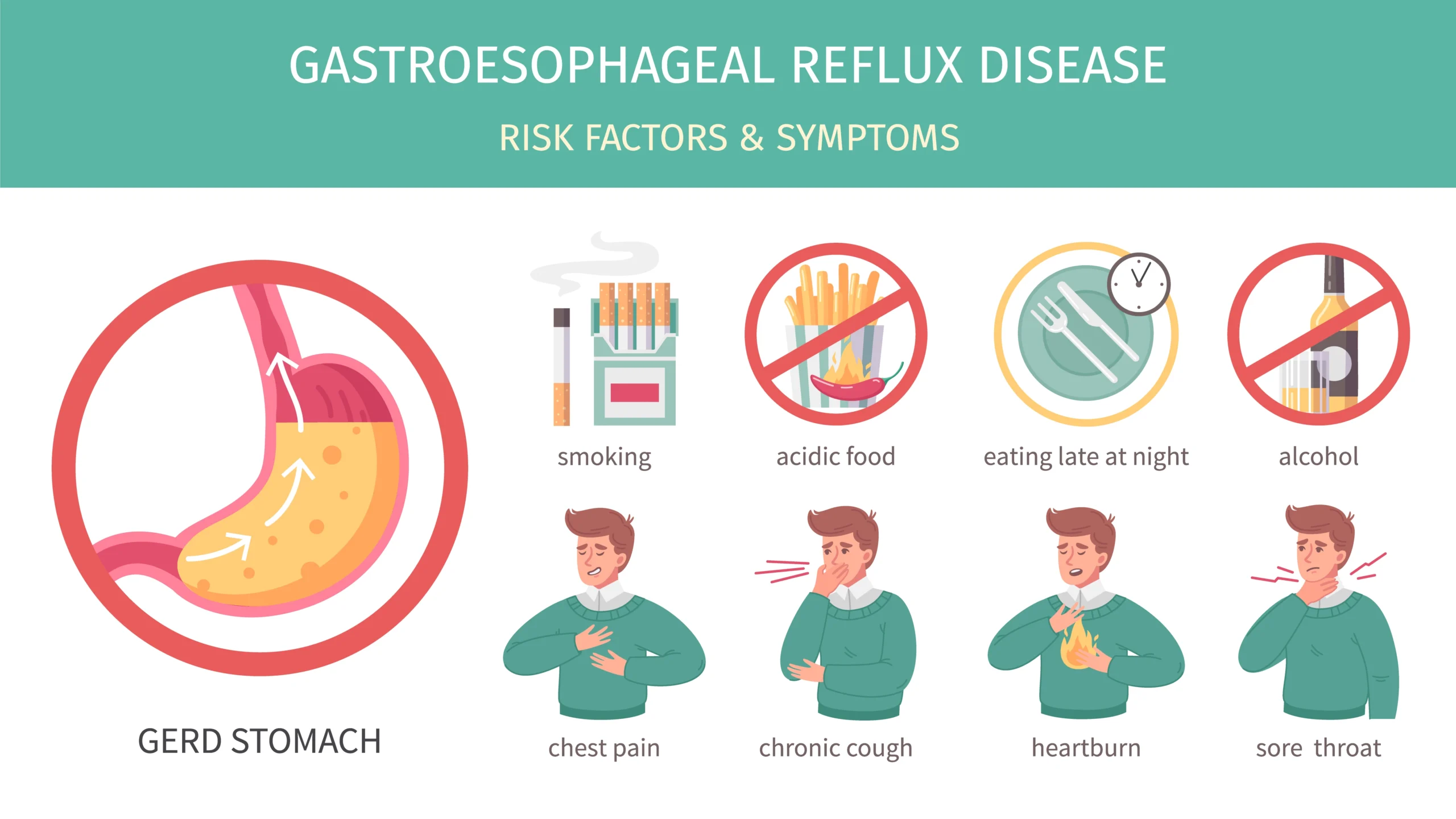
Causes and Risk Factors of GERD
There is no single cause of GERD but rather a combination of factors that causes it.
Common causes include:
- A weak lower oesophageal sphincter
- Eating too much or going to bed after meals
- Obesity
- Smoking
Diet is a contributing factor. Reflux can be caused by spicy, fatty or acidic food. A GERD diet plan is followed by many people, or they select GERD friendly foods in order to minimise the symptoms. Another factor is stress. The question is, is it possible that mental stress can cause GERD? Yes, stress may aggravate symptoms by impacting digestion.
Other risk factors are:
- Pregnancy
- Hiatal hernia
- Certain medications.
Diagnosis and Tests of GERD
The symptoms and medical tests are used to diagnose GERD by doctors.
Routine diagnostic techniques are the following: Endoscopy to examine damages to the oesophagus, pH testing to assess the level of acidity, Oesophageal manometry to measure
muscle activity. Physicians can also examine your nutrition and living. It can be useful to keep a symptom diary. And early diagnosis is the prevention of complications.
GERD ICD-10 Code.
The ICD-10 GERD code is applied in medical records and billing.
GERD ICD 10 code: K21.9 (without oesophagitis); GERD, no oesophagitis: K21.9; GERD and oesophagitis: K21.0. Common search terms include some variations such as ‘GERD 1CD10’ or ‘ICD 10 code GERD’. The codes assist the doctors to categorise the condition.

Treatment of GERD
The treatment aims at decreasing the level of acid and enhancing digestion.
Common treatments include antacids to relieve immediately, proton pump inhibitors (PPIs), and H₂ blockers. Lifestyle changes are also important. A GERD diet can be used to minimise symptoms. Comfort can be enhanced by eating GERD friendly foods such as vegetables and lean proteins.
Other tips include: Avoid lying down after meals, eat smaller portions, and have a normal weight. In extreme cases, surgery can be required.
Living With GERD
GERD necessitates regular lifestyle changes. Routine changes can be used to control the symptoms.
Helpful habits include eating on time, avoiding trigger foods, and managing stress. Certain individuals research disability benefits, such as GERD VA ratings, in case symptoms impact everyday life. Emotional well-being is also important, as stress aggravates GERD.
Complications of GERD
Damaging health problems can be caused by untreated GERD.
Possible complications include the following: Oesophagitis, oesophageal ulcers, Barrett’s oesophagus, and risk of oesophageal cancer. Persistent coughing and breathing problems can also be experienced. This is why it is important to treat it early.
FAQS
Coughing is caused by GERD?
Is it true that GERD may lead to chronic coughing? Throat and airways are irritated by acid. This is typical with silent GERD.
Is it possible that mental stress can lead to GERD?
Yes, stress may exacerbate the symptoms of GERD. It influences the digestion process and enhances acid secretions.
Which foods are GERD-friendly?
Fruits, vegetables, oatmeal, and lean proteins are examples of GERD-friendly foods. Avoid fatty and spicy food.
What is the ICD-10 of GERD?
In case there is no oesophagitis, the ICD 10 code of GERD is K21.9. It aids in diagnosis and documentation.
Do dogs get GERD?
Yes, GERD in dogs and acid reflux in dogs may be present. The symptoms are vomiting and discomfort.