
Heat Stroke
Overview
Heatstroke is a severe disorder, which is caused by excessive overheating of the body. It normally occurs when body temperature exceeds 40o C (104o F). This does not involve ordinary exposure to heat. It is a medical emergency. In contrast to mild heat illnesses, heat stroke has an impact on the brain and vital organs. In the absence of prompt treatment, it may cause death. Numerous fatalities that are reported as dying of heatstroke are a result of late treatment. Anyone can be a victim of heat stroke. It, however, occurs more in hot climates, such as in areas such as Pakistan. Knowledge of early signs can save lives.

What Are the Conditions of Heat Stroke?
Heat stroke occurs when the body does not cool down. Sweating stops working properly. The temperature inside continues to increase. Two important forms
- Classic heat stroke (as a result of heat in the environment)
- Exertional heat stroke (as a result of physical activity)
This is normally mistaken for exhaustion. Knowing the difference between heatstroke and exhaustion is important. Heat stroke is more serious and deadly.
Types of Heat Stroke
Classic Heat Stroke
This kind occurs because of elevated temperatures in the environment. It is very common among old people and children. It is progressive and takes hours or days.
Exertional Heat Stroke
This happens when one is engaged in hard workouts. Workers and athletes are more at risk. It grows fast and is hazardous in a few minutes.
Passive heat stroke, or non-exertional heat stroke
This resembles conventional heat stroke but occurs without exercising. It is caused by the heat of the environment alone. Individuals who remain in poorly ventilated places are at risk.
Drug Induced Heat Stroke
Some drugs may influence the temperature regulation in the body. These are antidepressants, antihistamines and diuretics. The danger is greater when it is coupled with exposure to heat.
Chronic Heat Exposure (Recurrent Heat Stress)
This is formed as a result of constant exposure to high temperatures. It is prevalent in employees who are subjected to heat on a regular basis. The body is slowly overcome.
Heat Stroke Symptoms (Check Your Symptoms)
The symptoms of heat stroke come either suddenly or gradually. They are capable of deteriorating rapidly when neglected.
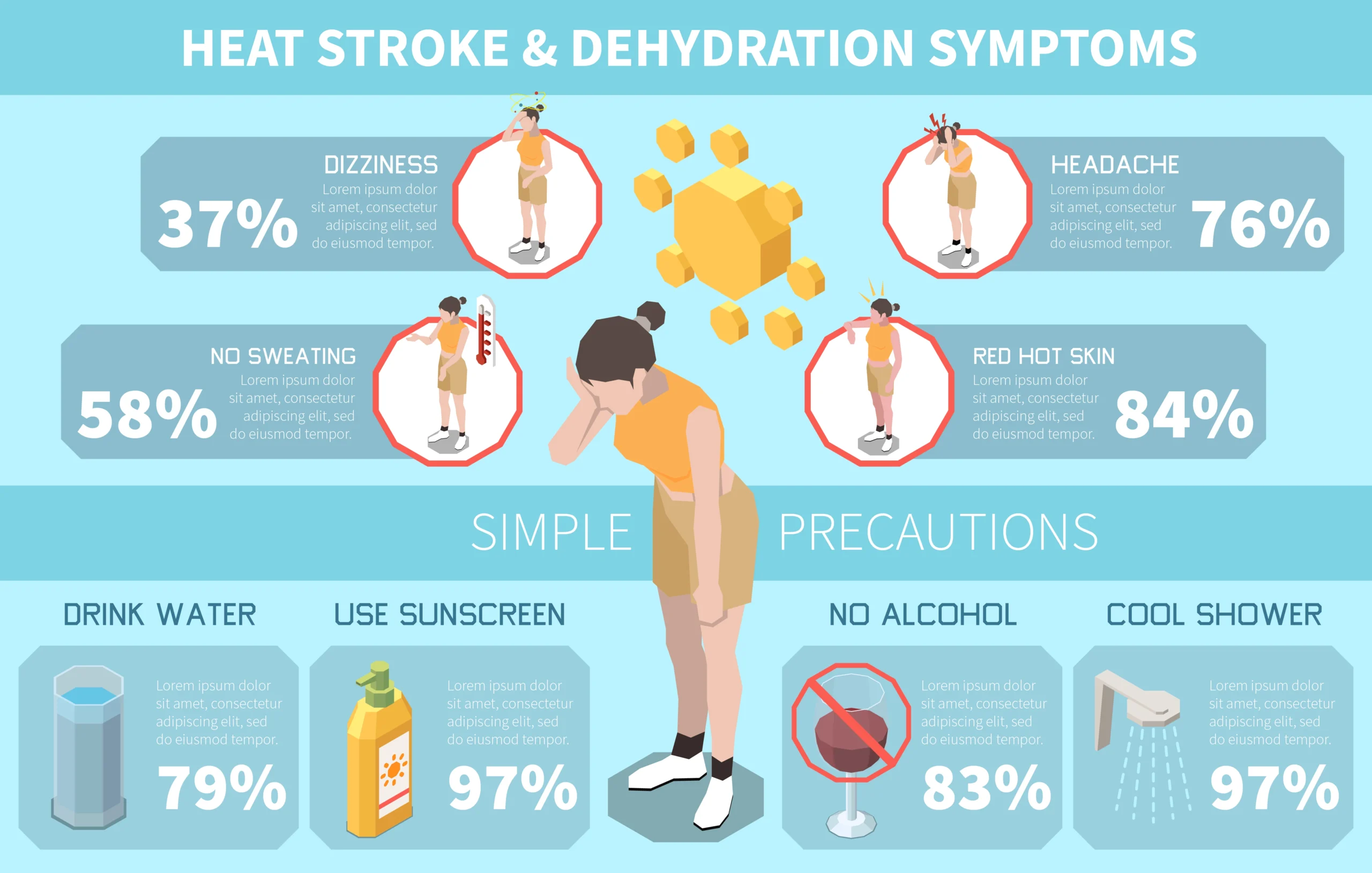
Common symptoms include:
- High body temperature
- Hot and dry skin
- Altered mental state or confusion.
- Headache
- Nausea and vomiting
- Rapid heartbeat
- Dizziness
Others also question, ‘Is it possible that heat stroke can result in diarrhoea?’ Yes, there can be cases of diarrhoea and heat strokes. Stress on the body can lead to digestive problems. In extreme cases, unconsciousness or seizures can occur.

Causes and Risk factors of heat stroke
Heat stroke is the situation when the body is unable to control temperature. There are a number of risk factors.
Common Causes: High temperatures and humidity, dehydration, prolonged sun exposure, and intense physical activity.
Risk Factors: Elderly age, children, chronic illness, alcohol use, snug or bulky clothes.
There is also a risk to pets. Heat strokes such as heat stroke in cats or feline heat stroke are typical of hot weather. Cats do not perspire. They heat up easily in enclosed areas.
Tests and Diagnosis of Heat Stroke
Heat stroke is diagnosed by physicians depending on the symptoms and body temperature. Timely assessment is paramount.
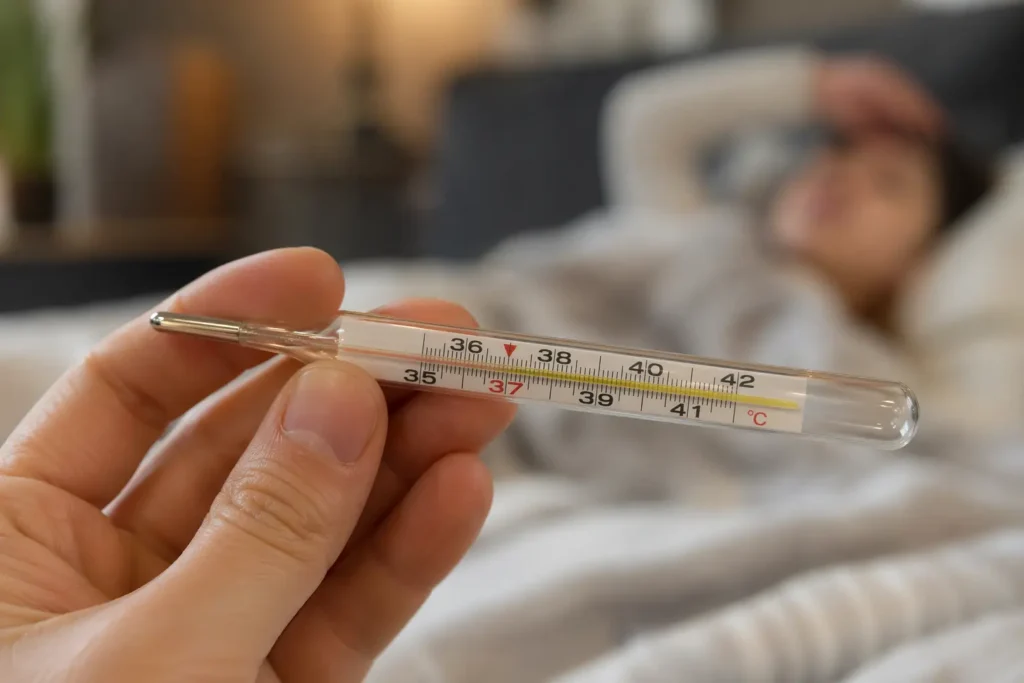
Common Tests: Temperature measurement, blood tests, urine tests, and organ function tests. Physicians can also test against complications. These can be kidney damage or brain problems.
Heat Stroke ICD-10 Code.
The ICD 10 official heatstroke code is T67.0 – Heatstroke and sunstroke. Medical records and insurance documentation are done using this code.
Treatment of Heat Stroke
Treatment of heat stroke should start as soon as possible. Time is of the essence.
Emergency Treatment: Relocate to a cooler location. Remove excess clothing. Use of cold water or ice packs, Turn on air conditioning or fans. Healthcare providers can resort to sophisticated cooling techniques. IV fluids are often given.
Hospital Care: Monitoring vital signs, organ failure, and managing complications. Earlier treatment enhances survival. A lot of the instances that were termed ‘heat stroke’ could have been avoided.
Heat Stroke Surviving.
It takes time to recuperate after a heat stroke. The heat stroke recovery period depends on severity.
- Recovery Tips
- Stay hydrated
- Avoid heat exposure
- Rest properly
- Follow medical advice
Others are tired or weak all through the weeks. Follow-ups are also necessary to promote complete recovery.
Complications of Heat Stroke
Heat stroke may result in severe complications when untreated.
Possible Complications:
- Brain damage
- Kidney failure
- Heart problems
- Muscle breakdown
In severe instances, it may be deadly. This is why it is so important to identify it early.

FAQS
What is heatstroke vs. exhaustion?
A less severe heat-related illness is heat exhaustion. It involves such symptoms as sweating, weakness and dizziness. Heat stroke is much more severe and involves a high body temperature and confusion. During heat stroke, the body can cease to sweat. It requires immediate emergency treatment.
Is diarrhoea a possible effect of heat stroke?
Yes, other individuals develop diarrhoea, nausea or vomiting. This occurs due to the change in blood flow, no longer flowing to the gut. The body is more concerned with cooling than digestion. These symptoms are not to be overlooked.
How do you say 'heat stroke' in Spanish?
Heat stroke in Spanish is called “golpe de calor”. It literally means ‘heat blow’. This is a term that is used in both medical and everyday language. It means excessive overheating of the body. This is an emergency condition.
What is the heat stroke recovery time?
Recovery of heat stroke is determined by how serious and how fast the treatment is. Mild cases can be cured in a few days. Cases that are severe may take weeks or more. There might be permanent damage to the organs of some individuals. During recovery, it is important to have adequate rest and hydration.
Do pets have heat stroke?
Yes, even pets such as cats and dogs can experience heat stroke. The heat stroke among cats is particularly risky in high temperatures. Cats are unable to control heat in the same way as human beings. Symptoms are panting, lethargy and vomiting. Vet care and immediate cooling are required.