
Influenza (Flu)
Overview
Influenza or flu is caused by a virus infecting the nose, throat and lungs. It is easily spread and can make you feel sick within hours. Flu can start suddenly and have more serious symptoms than a cold. Common Question: Flu vs Influenza A In short, Influenza A is a type of flu. The disease is influenza. The most common viruses involved in seasonal epidemics are influenza viruses. A and B, with influenza typically causing more severe outbreaks and pandemics. Stomach flu is sometimes confused with the flu. Stomach flu is also called viral gastroenteritis. “It’s a gut virus, not a lung virus.

What is influenza (flu)?
Influenza is an infectious disease of the respiratory tract caused by influenza viruses. It is transmitted via coughs, sneezes and contact with infected surfaces. It affects the respiratory system and impairs the immune system. This can lead to other infections. A common question is, what’s the difference between the flu and the stomach flu? Influenza causes respiratory symptoms while stomach flu can cause vomiting and diarrhoea.
Hernias can appear in different size and have different symptoms, in some cases its small and painless, for some they can be large in size and can be a bit uncomfortable
Types of Influenza (Flu)
Influenza A
This is the most common type. It’s responsible for pandemics and seasonal flu. We are often asked, ‘Is influenza the worst flu?’ Influenza A flu is typically more severe because it spreads rapidly. You can catch influenza A after the flu shot. The shot lessens the disease but does not prevent it completely.
Influenza B
Influenza B causes seasonal disease but is less transmissible. The symptoms are the same, but there are smaller outbreaks.
Influenza C
It causes mild disease and few complications. It does not cause major outbreaks.
H1N1 (Swine Flu)
If you’re wondering why H1N1 flu is called swine flu, here’s why. It is associated with flu viruses in pigs. But then spread to humans. People often wonder about swine flu vs influenza. Swine flu is just another strain of influenza A.
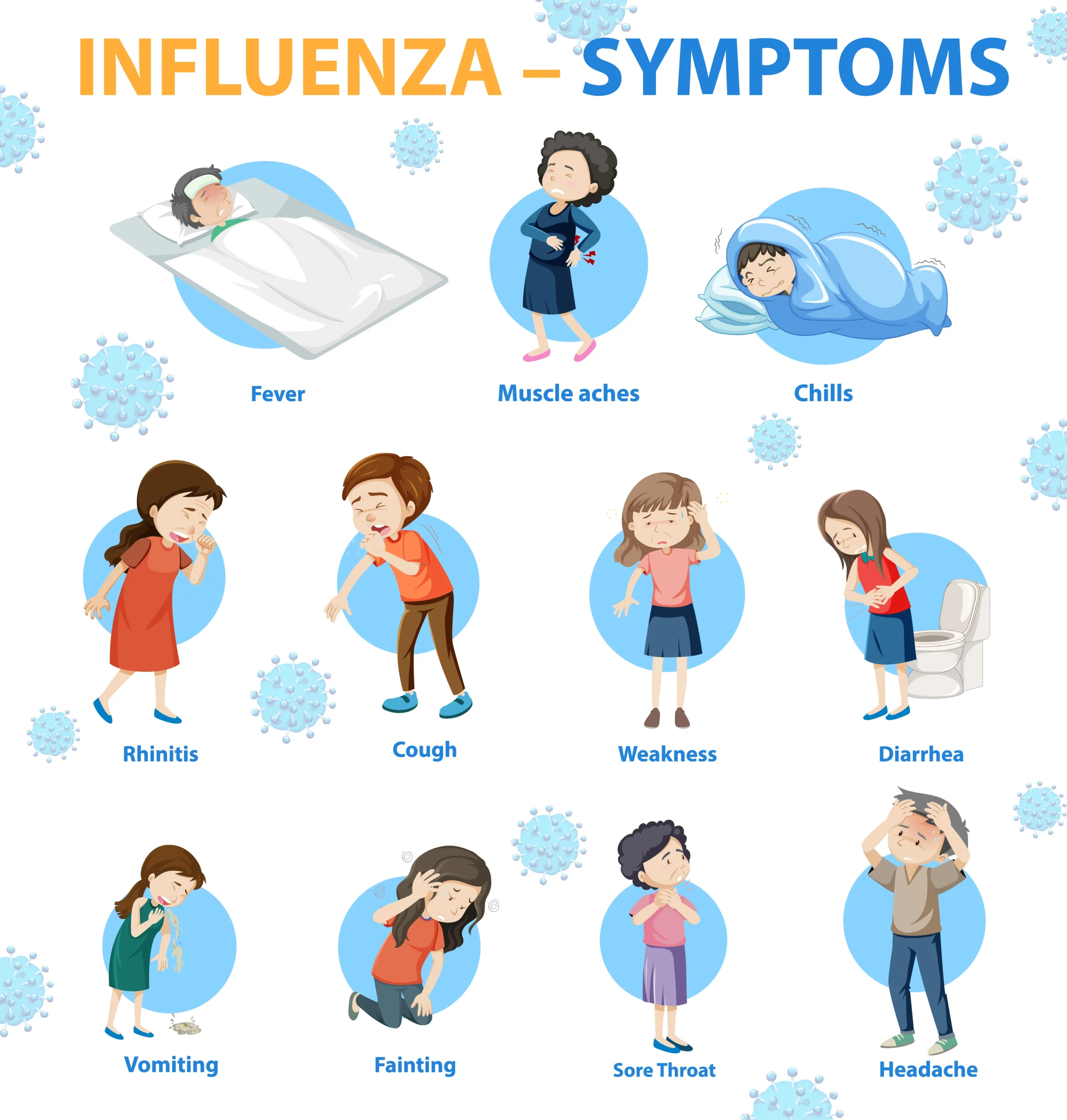
Influenza (Flu) Symptoms
The symptoms take one to four days to develop.
Common symptoms include:
- High fever
- Chills
- Dry cough
- Sore throat
- Runny nose
- Body aches
- Headache
- Fatigue
- Weakness
- Sweating
● Loss of appetite

Causes and Risks of Influenza (Flu)
Flu occurs when the flu virus infects the body.
It spreads through coughing, sneezing, talking, shared surfaces, and close contact.
Risk factors include: Weak immunity, old age, pregnancy, asthma, diabetes, heart disease, obesity, and smoking. Flu spreads with seasonal weather changes. Bustling crowds also increase risk.
Influenza (Flu) Tests and Diagnosis
Influenza (flu) is diagnosed by symptoms and testing.
Diagnosis methods include:
Physical Examination. Fever, throat and breathing are checked.
Rapid Flu Test
This involves a throat or nose swab test. It takes minutes to get the results.
PCR Test
This test is more accurate. It tests for the strain of flu.
Chest X-ray
It’s recommended if there’s a risk of pneumonia. This can show lung complications.
ICD 10 Code for Influenza (Flu)
Influenza ICD codes include:
J09 Influenza due to certain identified influenza viruses
J10 Influenza due to identified seasonal virus
J11 Influenza, unspecified
Your doctor will use these codes to diagnose and bill your insurance.

Treatment for Influenza (Flu)
Treatment depends on severity.
Rest and Fluids: Rest and fluids speed up recovery.
Antiviral Medicines: Oseltsivir, Zanamivir, and Baloxavir. These are most effective if taken within 48 hours.
Fever Relief: Acetaminophen or similar products will help with fever. Don’t give kids aspirin.
Nutrition Support: Drink plenty and eat soft foods. Good nutrition supports healing.
Living With Influenza (Flu)
It takes one week to recover. Weakness may last longer. Tips for recovery: Sleep well. Stay hydrated. Avoid heavy work. Eat healthy foods. Stay home; don’t pass on your flu. Cover your coughs and wash your hands.
Influenza (Flu) Complications
Flu can be serious.
- Possible complications:
- Sinus Infection
- Ear Infection
- Worsening of Chronic Diseases
- Dehydration

FAQS
What's the difference between stomach flu and influenza?
Stomach flu is different to the flu. Stomach flu is an illness that affects the stomach and bowel, causing vomiting, diarrhea and abdominal pain. The flu targets the lung,nose and throat and symptoms include fever, cough, sore throat and aches. They are two different viruses and require different care approaches.
Which flu is worse, influenza A?
Influenza A is often considered more aggressive because it spreads quickly and changes (mutates) faster than Influenza B. It is responsible for many seasonal outbreaks and pandemics. However, both types can cause severe illness depending on age, immunity, and health conditions. Severity varies from person to person.
Will I still get influenza if I have a flu shot?
It’s still possible to get Influenza even if you’ve been vaccinated. The flu vaccine helps prevent infection and, if you still get ill, it will make your symptoms less severe. Influenza viruses continually mutate, and the vaccine may not be a perfect match. A vaccine is the best prevention.
Why is H1N1 influenza known as swine flu?
H1N1 Influenza was detected in swine, hence swine flu. The virus was found to contain genetic material from influenza viruses in pigs. It then began to infect and spread in humans. The 2009 H1N1 became a pandemic.
What is the difference between swine flu vs. the flu?
Swine flu is one type of Influenza A virus, whereas “the flu” is used to describe all types of influenza viruses. The H1N1 strain is commonly known as swine flu. Other flu viruses may be H3N2 or Influenza B.