
Iron Deficiency Anemia
Overview
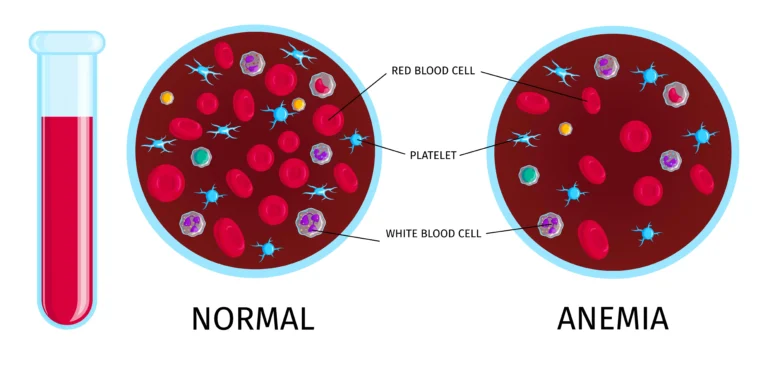
Iron deficiency anemia is when you don’t have enough iron in your blood and can’t make enough red blood cells. Haemoglobin is a protein that carries oxygen in the blood and needs iron to be made. Without enough iron, your blood can’t carry enough oxygen, and you become tired and weak. This is the most common type of anemia. It affects young children, adults and old people. It also happens more in women who have periods. And when women are pregnant. It can be prevented with early diagnosis. You could have iron deficiency without having anaemia. This means you have low iron stores, but not low haemoglobin. Symptoms may be present without anemia.
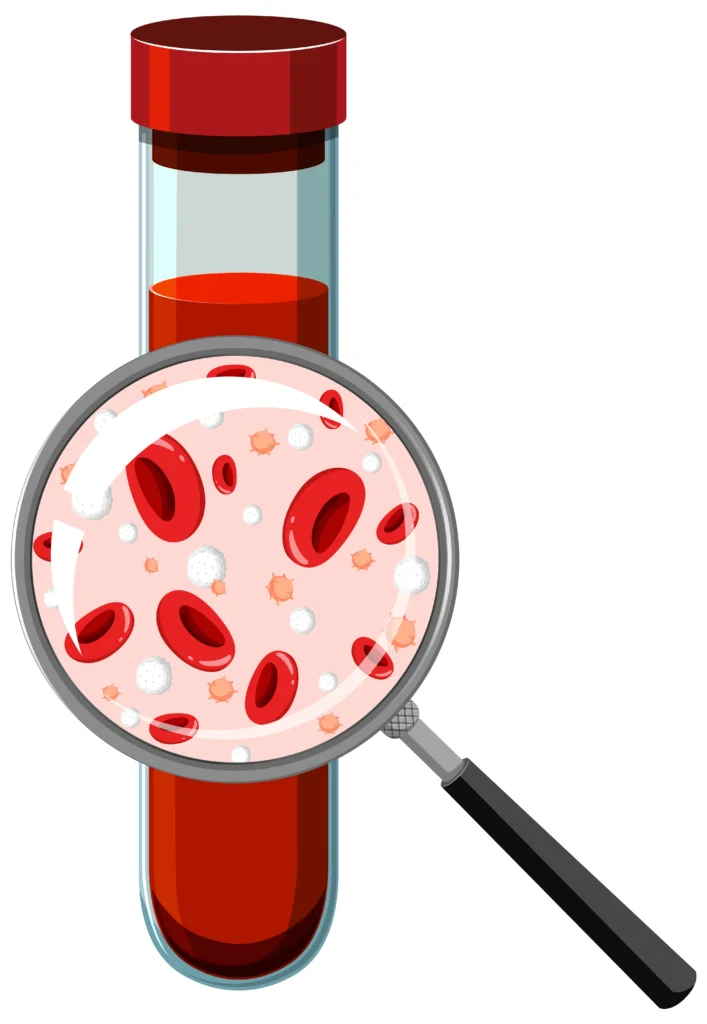
What is iron deficiency anemia?
Iron deficiency anemia is a blood disease caused by a lack of iron. Iron is part of a blood protein called haemoglobin. This makes the red blood cells smaller, and they carry less oxygen. The illness may be gradual. They may start out light. Later, when oxygen levels are low, you may feel weak, fatigued and confused. Iron Deficiency anemia vs. Chronic Anemia Iron Deficiency anemia is due to low iron, but chronic anemia can be caused by other diseases.
Hernias can appear in different size and have different symptoms, in some cases its small and painless, for some they can be large in size and can be a bit uncomfortable
Types of Iron Deficiency Anemia
Blood loss iron deficiency anemia
This is the most common type. Low iron is caused by blood loss. This may be due to heavy periods or G.I. blood loss.
Iron Deficiency Without Anemia
Low iron, normal haemoglobin. You may be tired or fatigued. This may be missed as blood counts are normal.
Iron Refractory Iron Deficiency Anemia (IRIDA)
This is a rare genetic condition which doesn’t respond to iron supplements. It may need specialist care. It’s usually treated by iron deficiency anemia specialists (haematologists).
Functional Iron Deficiency Anemia
This is when the body has iron stores but can’t use them. This occurs in chronic diseases such as kidney disease or inflammation.
Iron Deficiency Anemia of Malnutrition
This is due to a lack of iron in the diet. This can happen in people who eat very little food containing iron, follow restrictive diets or are malnourished.
Iron deficiency anemia symptoms
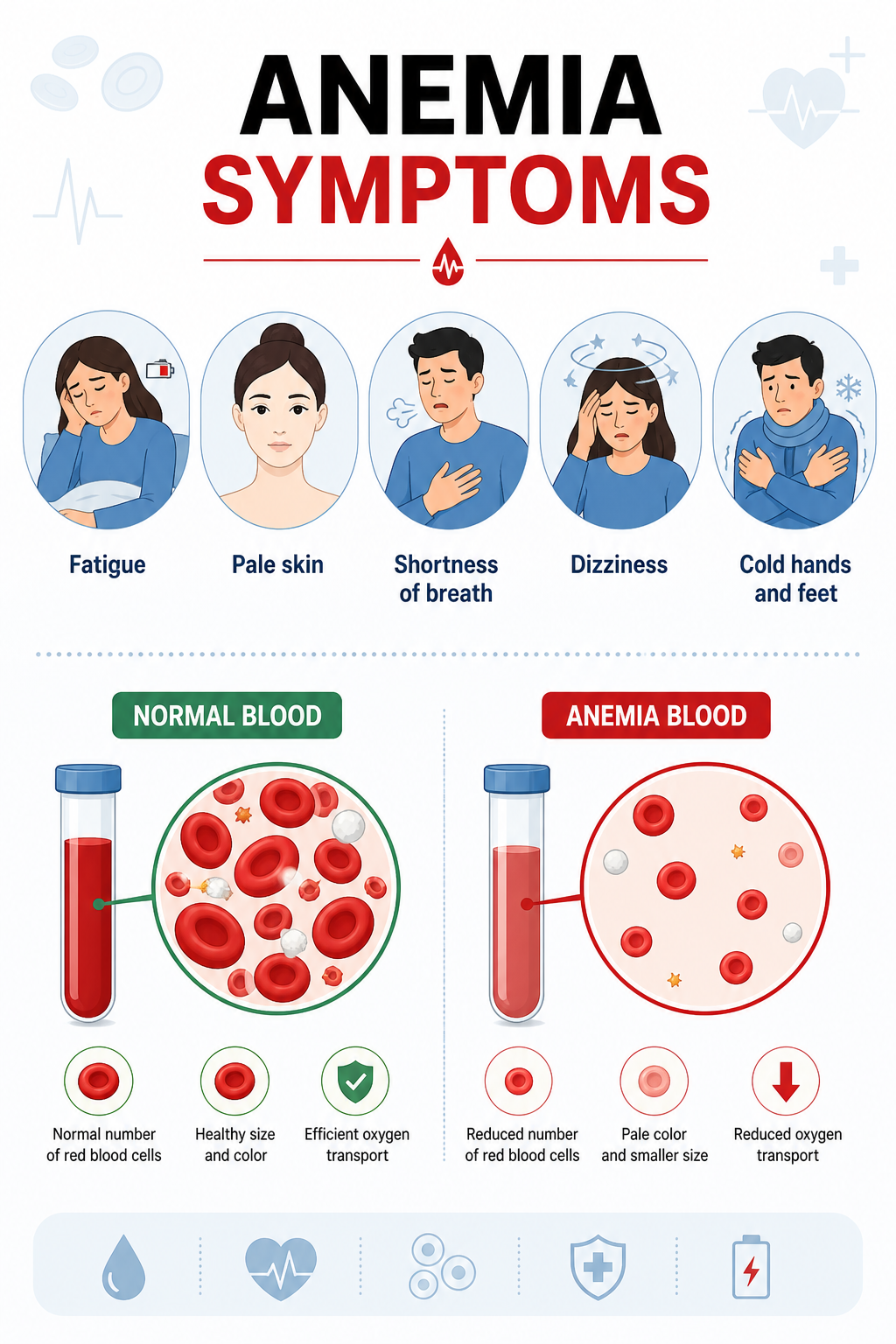
The symptoms of iron deficiency anemia may be mild or severe depending on the degree of iron deficiency of the body and the extent to which it impacts on the production of red blood cells. Typical symptoms are excessive fatigue and weakness since the body has difficulty in transporting sufficient oxygen to the tissues. Pale skin, shortness of breath or dizziness may be observed by many people, particularly when physical activity occurs. Cold hands and feet, rapid heartbeat, chest pain and headaches may also be experienced as the heart labours much to provide oxygen within the body. Others grow brittle nails or lose their hair because of the low levels of iron. Abnormal desires, e.g., the desire to eat ice or non foodstuffs, a disorder known as ‘pica’, can also indicate iron deficiency. Restless legs syndrome may also appear in other instances, and this is an uncomfortable feeling that compels an individual to move the legs, particularly at night.
Iron Deficiency anemia: Causes and Risk Factors
Blood Loss
Blood loss is the biggest cause.
Causes include heavy periods, stomach ulcers, colon polyps, internal bleeding, surgery, and injury. Continual blood loss can cause iron deficiency.
Poor Diet: Iron deficiency can be caused by low iron intake. Vegetarians and those with poor nutrition are at risk.
Iron malabsorption: You don’t absorb iron if you have some digestive disorders. These are coeliac disease, Crohn’s disease, gastric surgery, and low stomach acid.
Pregnancy: Pregnancy increases iron needs. Iron is used by the baby. anemia is caused by a lack of supplements.
Growth Stages: Iron is necessary for the growth of infants, children and teenagers. Iron deficiency can result in iron deficiency anemia.
Risk Factors: Women, pregnant women, children, vegetarians, frequent blood donors, and people with stomach diseases.
Tests and diagnosis for iron deficiency anemia
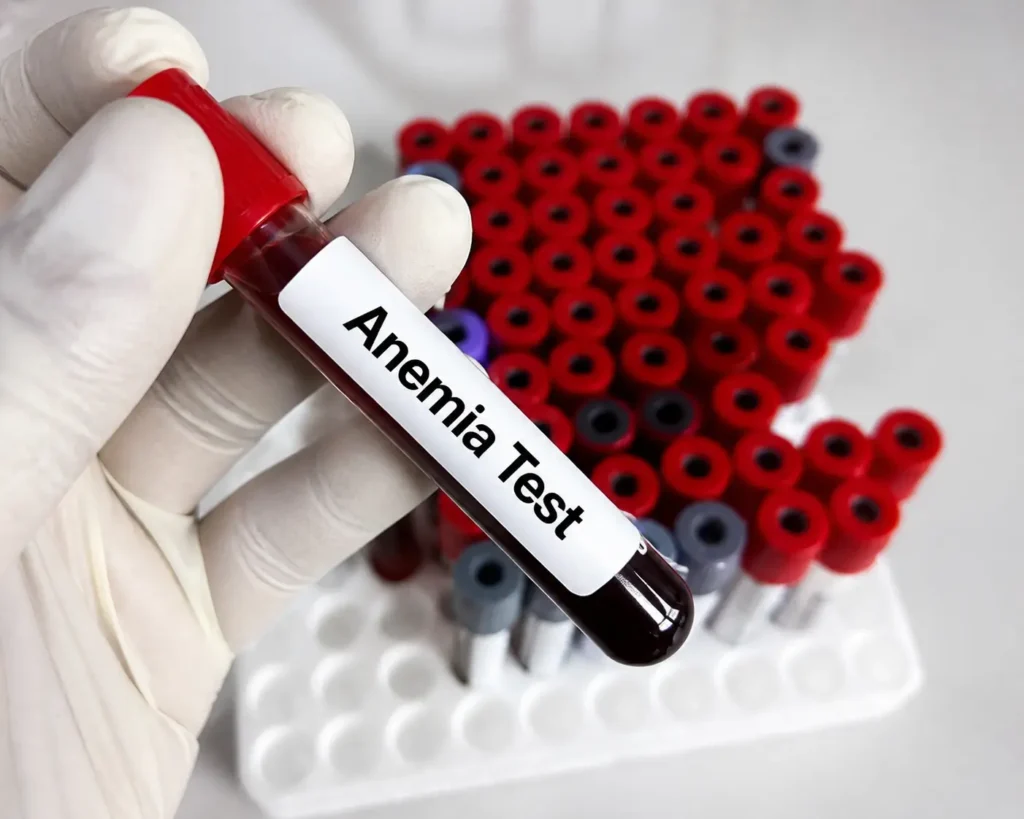
Iron deficiency anemia is diagnosed by blood tests. Complete Blood Count (CBC), Ferritin Test, Serum Iron Test, Total Iron Binding Capacity (TIBC), Stool Tests, Endoscopy or Colonoscopy
ICD 10 Code for Iron Deficiency Anemia
There are several ICD 10 codes for iron deficiency anemia. The most common codes are: Description:: D50.0 anemia due to blood loss, D50.1 sideropenic dysphagia, and D50.8. Other iron deficiency anemia, D50.9 Iron deficiency anemia, unspecified.
Iron Deficiency Anemia Treatment
Iron levels and cause must be treated.
Iron supplements: First treatment. Iron tablets replenish the iron. This can be months.
Diet Changes: Iron rich foods include red meat, chicken, fish, beans, spinach, lentils, and fortified cereals. Iron absorption increases with vitamin C.
Treat the Cause: If you have bleeding, your doctor will treat the bleeding. Examples: Ulcer treatment, fibroid treatment, surgery.
IV Iron Therapy: Iron pills are not absorbed by some people. IV iron works faster and is used for severe anemia.
Blood Transfusion: Reserved for severe anemia or an emergency.
Living With Iron Deficiency Anemia
Recovery takes time. It takes a few weeks to feel better. It takes months to normalise iron. Living with iron deficiency: take iron tablets on an empty stomach, avoid taking iron tablets with tea or coffee, eat iron rich foods, have follow up blood tests, and rest if you feel tired; some people need ongoing care.
Iron Deficiency Anemia Complications
Complications of anemia:
Heart Problems
Pregnancy Problems
Weak Immunity
Growth Problems in Children
Severe Fatigue

FAQS
What's the most common cause of iron deficiency anemia?
It’s most commonly from blood loss, for example, excessive periods and gut bleeding. It’s sometimes due to poor iron absorption. Iron can be poorly absorbed, for example, due to gut disease. Iron deficiency can also be due to pregnancy.
Can you be iron deficient without being anaemic?
Yes, you can be iron deficient without having anemia. This means you have low iron stores but normal haemoglobin. You could still be tired or weak or have trouble concentrating. If you can catch it early, you won’t have anemia.
What's the ICD 10 code for iron deficiency anemia?
It’s probably D50.9, unspecified iron deficiency anemia, for iron deficiency anemia in ICD 10. It can be used to indicate the cause, such as anemia from blood loss. These are used for diagnosis and billing. Thorough assessment helps to determine the cause.
How long does treatment take?
It can take some weeks before you feel better with iron. But it takes three to six months for iron levels to normalise. This will depend on the severity and cause of the iron deficiency. Frequent monitoring is required.
Iron deficiency anemia vs. chronic anemia: what's the difference?
Iron deficiency anemia is due to a lack of iron required to make red blood cells. Chronic anemia is caused by a chronic illness like kidney disease, infection or inflammation. Both cause weakness and fatigue, but for different reasons. Treatment depends on the underlying condition.