
Joint Pain
Overview
Joint pain refers to pain, stiffness or soreness of a joint or joints. It may have an impact on the quality of life and movement every day. A joint is the point of intersection of two bones, such as the knee, wrist, hip or fingers. Joint pain may be mild, acute, transitory or chronic. It is usually an indication of inflammation, injury, or wear and tear in the joint. Arthritis is considered one of the major causes of joint pain, yet there are numerous other factors that could cause it as well. The joint pain can be in one or a combination of joints. Others complain of big toe joint pain, finger joint pain, thumb joint pain, or wrist pain. Others might experience pain in the whole body as a result of autoimmune or viral diseases.
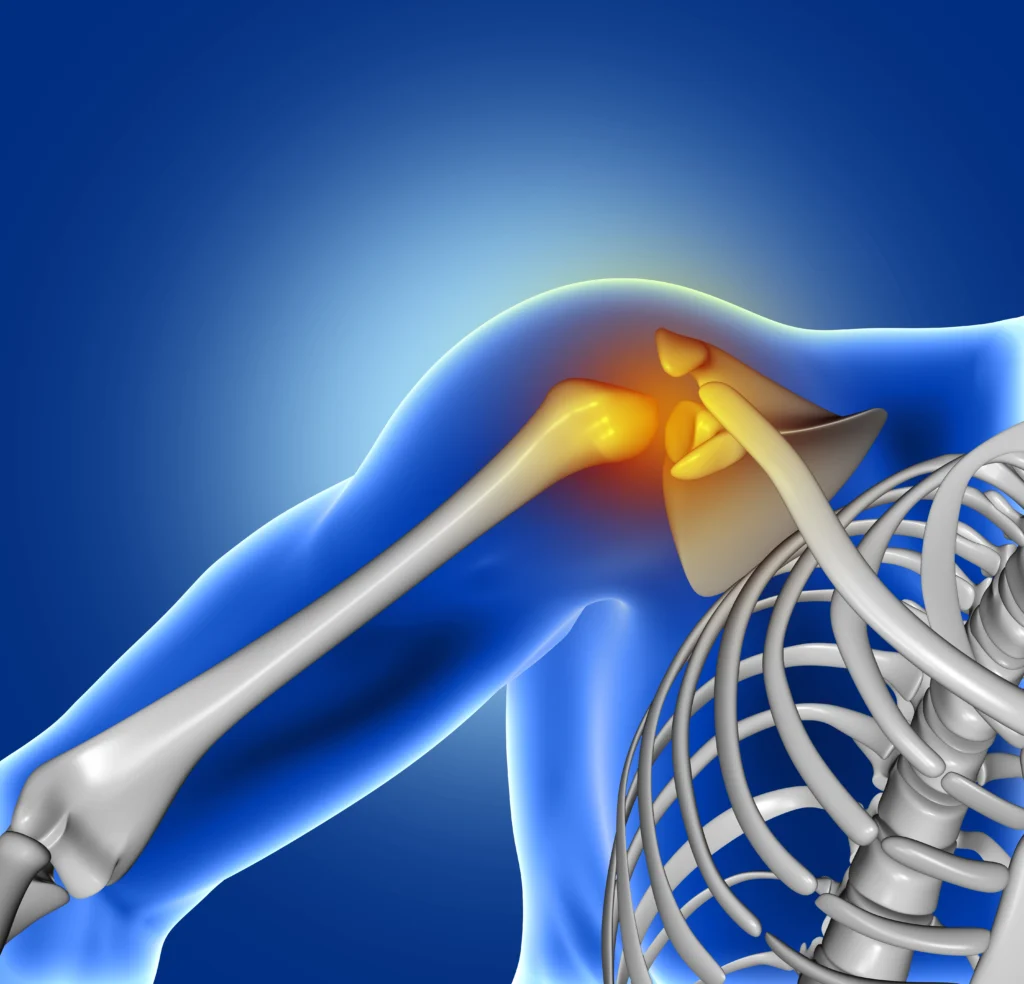
What is Joint Pain
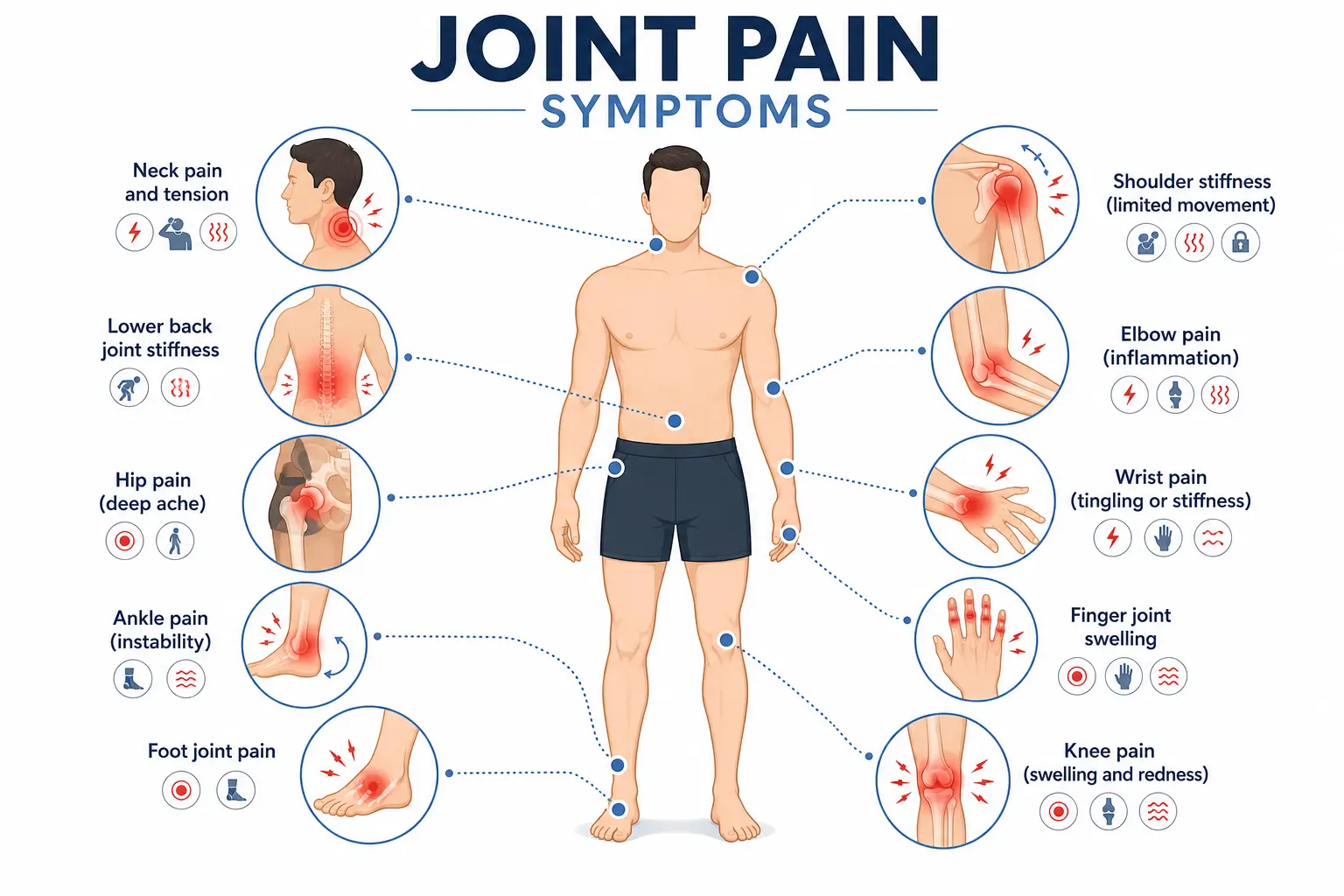
Depending on the cause, joint pain symptoms differ. There are those who are sore. Others experience itching or intense pain. The symptoms can be developed over time or can be unexpected.
Joint Pain Types
Big Toe Joint Pain
The pain in the big toe joint usually occurs because of gout, arthritis, or trauma. It may result in oedema and extreme tenderness.
Finger Joint Pain
Pain in joints of the fingers is prevalent in rheumatoid arthritis and osteoarthritis. It can result in rigidity and decreased grip.
Pain in Thumb Joint
Pain in the thumb joint is normally brought about by overuse or arthritis of the thumb. It makes it hard to hold things.
Wrist Joint Pain
The joint of the wrist can be a result of either tendon injuries, arthritis, or movement repetition, such as typing.
Hip Joint Pain
Arthritis, bursitis or a hip injury will often require joint or hip pain relief.
Symptoms of common joint pains
Common joint pain symptoms can include swelling around the joint, tenderness when touched, and soreness during movement or walking. Many people experience stiffness or rigidity, especially in the morning or after periods of rest. The affected joint may feel warm or appear red due to inflammation. Movement can become limited, making it harder to bend or use the joint normally. Some people notice clicking or grinding sounds during movement, while others may experience joint locking or difficulty moving it smoothly. Tightness in the muscles surrounding the joint can also develop, and in severe cases, joint weakness or disability may affect daily activities.

Causes and Risk of Joint Pains
There are numerous causes of joint pain. Some are temporary. Others are long term.
Common causes include:
Arthritis is the most frequent cause of joint pain. Aetiology and Predisposing Factors of Joint Pain.
There are some factors that make the risk of joint pains high:
Age, obesity, previous injuries, family history, repetitive motion, and autoimmune disease.
Tests and diagnosis of joint pain
Physicians seek to diagnose joint pain by history, physical examination and tests.
Common tests include:
- Blood Tests
- X rays
- MRI
- Joint Fluid Test
- Ultrasound
- Pain Scales
- Physical Function Tests
The diagnosis is confirmed by blood tests and imaging.
Joint Pain: ICD 10 Code.
ICD 10 codes aid in determination of joint pain.
Common codes include:
Condition 10ICD 10ICD 10 Code
Unspecified joint pain M25.50
Left knee pain: M25.562
Pain in the right knee M25.561
Wrist pain M25.539
Hip pain: M25.559
Thumb pain M79.646
The precise code varies according to location and cause.

Joint Pain Treatment
The treatment varies with the cause and the severity.
Joint Pain Meds.
Common options include: Acetaminophen, NSAIDs, Steroid injections, Prescription pain medicine
Physical Therapy
It enhances mobility and decreases spasms.
Joint Pain Exercises
Exercise maintains flexibility of joints.
Wrist Joint Pain Exercises.
Wrist bends, wrist rotations, and grip strengthening.
Lifestyle Changes
Weight loss decreases the joint pressure.
Heat/cold Therapy
Heat relaxes muscles. Ice reduces swelling.
Surgery
The serious injuries could require replacement of the joint.
Living with joint pain
Pain in joints needs to be dealt with on a daily basis. Helpful tips: Staying active and maintaining a healthy weight can help reduce pressure on the joints and improve flexibility. Daily stretching keeps the joints and muscles mobile, which may lower stiffness and discomfort. Avoid sitting for long periods, as it can make joints feel stiff and worsen pain over time. Wearing supportive shoes provides better alignment and reduces stress on weight bearing joints like the knees and ankles. It is also important to protect your joints from strain during physical activity by using proper techniques and avoiding overuse. Eating anti inflammatory foods, such as fruits, vegetables, nuts, and fatty fish, may also support joint health and help manage inflammation.
Joint Pain Complications
Until treated, joint pain can result in:
- Reduced mobility
- Joint deformity
- Muscle weakness
- Sleep problems
- Anxiety
- Depression
- Loss of independence
Early intervention minimises complications.

FAQS
When is joint pain something to be concerned about?
You are to be concerned when pain in joints persists longer than several days, becomes severe, and results in swelling and fever. Acute loss of mobility in the joint requires emergency treatment as well. The chronic pain may indicate arthritis, infection or injury.
What is the name of the doctor who treats joints?
A joint pain doctor can be a rheumatologist, an orthopaedic doctor or a pain specialist. It is a matter of the right doctor, and that is based on the cause. Arthritis is treated by rheumatologists, and injuries and joint destruction are treated by orthopaedic doctors.
Is it possible that stress is the cause of joint pain?
Stress has the potential to raise the tension in the muscles and inflammation that could aggravate joint pain. It does not harm joints per se but may aggravate symptoms.
Exercise and joint pains: Is exercise good?
Yes. Exercises with low impact increase flexibility, build muscle strength, and decrease stiffness. Most of the joint pain conditions are assisted by walking, swimming, and stretching.
Do joint pains resolve?
Yes, overuse or mild injury can cause temporary joint pain that can be alleviated with rest. Persistent joint pain typically requires management to avoid exacerbation.