
Diabetes Type 2
Overview
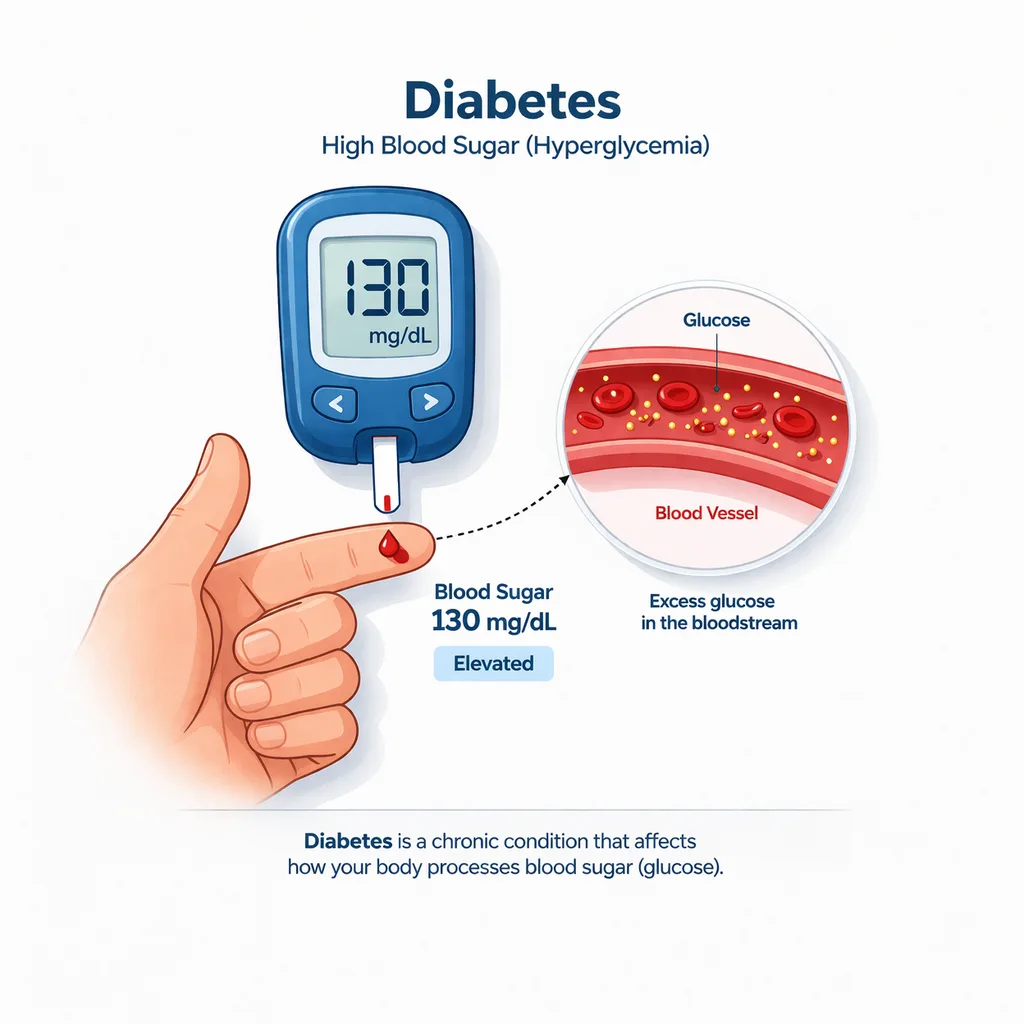
DM2 is a long-term condition that disrupts the normal functioning of your body to use sugar glucose. In this state the body is unable to produce enough insulin or it is not sensitive to insulin. Rather than being used as a source of energy, glucose builds up in blood. This can result in serious health issues in the future. It is the most common form of diabetes. It is not uncommon in adults but is being seen in younger people. Early diagnosis and proper treatment can manage the condition.
What is Diabetes Type 2?
Types 2 Diabetes is an insulin resistant metabolic disorder. Insulin is a hormone that helps in the absorption of glucose into your cells. Without adequate functioning of insulin, sugar stays in blood. The result is an increase in blood sugar levels, or hyperglycemia. It is also possible that in the long run glucose damages organs, nerves and blood vessels.
Types of Diabetes Type 2
Type 2 Diabetes Related to Pre-diabetes
Prediabetes is a disease in which the blood sugar level is elevated. They are, however, not so high as to be considered diabetes. It is an early warning stage. In the absence of lifestyle changes, it usually advances to Diabetes Type 2.
Diabetes Type 2 that is Insulin Resistant.
This is the most prevalent type of Diabetes type 2. Insulin is produced in the body and cells fail to respond. It causes excessive sugar levels in the blood. In most instances, they might need lifestyle changes and medication.
Type 2 Diabetes with Insulin Deficiency
In this form, the body not only resists insulin but also gradually loses its ability to produce enough insulin. Over time, the pancreas becomes less effective. This leads to higher blood sugar levels that may require medications or insulin therapy for control.
Type 2 Diabetes with Obesity-Related Factors
This type is strongly linked with excess body weight, especially abdominal fat. Obesity contributes to insulin resistance and increases the risk of developing Type 2 Diabetes. Managing weight through diet, physical activity, and lifestyle changes plays a key role in controlling this condition.
Symptoms of Diabetes Type 2

Causes and Risk Factors
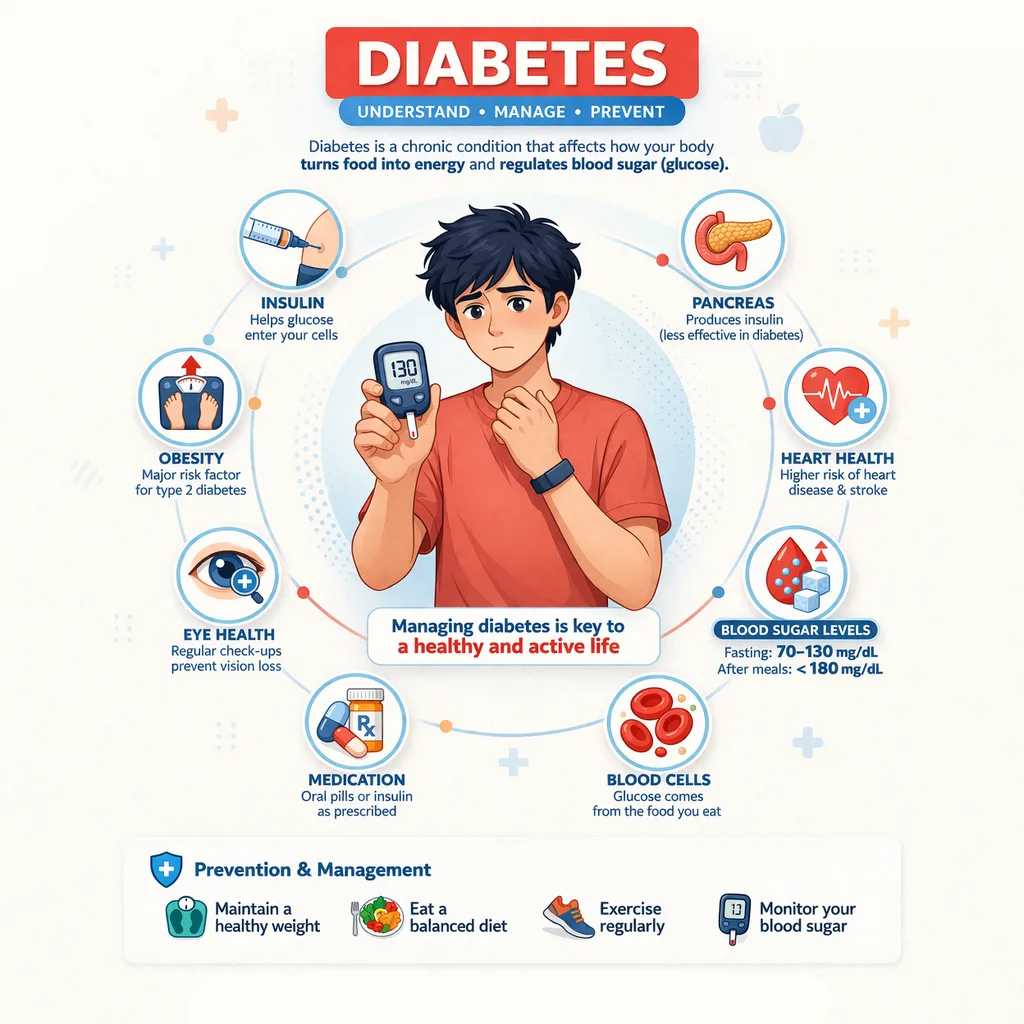
There are several factors that cause type 2 diabetes.
Principal Etiologies:
- Insulin resistance
- Inadequate insulin production.
Risk Factors:
- Obesity
- physical inactivity
- Family history
- older age (above 40)
- poor diet
- High blood pressure.
Tests and Diagnosis
Diabetes Type 2 is a condition that doctors perform several tests to diagnose. Typical Examinations: Fasting blood sugar test, HbA1c test, Oral glucose tolerance test.
Diagnosis Levels:
Normal: Under 100 mg/dl, Prediabetes: 100-125mg/dl, Diabetes: 126mg/dl and above. Nerve and eye tests help physicians to assess the involved issues as well.
ICD 10 Code Diabetes Type 2
Medical coding Diagnosis and treatment records Type 2 diabetes: E11, (type 2 diabetes icd code): E11, (icd code type 2 diabetes): E11, (type 2 diabetes diagnosis code): E11.x.
Specific Conditions
We tend not to be too specific about this because the disease is not always easy to diagnose and is somewhat ambiguous. type 2 diabetes with neuropathy icd 10: E11.40 -E11.42. These codes find their way in proper medical recording.

Treatment
The treatment is aimed at the regulation of blood sugar.
Changes in lifestyle: Healthy Diet, Physical activity, Obesity.
Drugs: Oral drugs, Insulin treatment (when necessary).
Diet tips: (best breakfast foods to type 2 diabetes), (type 2 diabetes breakfast recipes), (snacks to type 2 diabetes). Whole grains, Eggs, Nuts, Yogurt, Vegetables are healthy.
Cereal and Milk Preferences: The most appropriate kind of cereals to consume with diabetes type 2. (what milk is good in diabetes type 2): Low-fat milk or almond milk.
Living With a Diabetes Type 2
Type 2 diabetes requires an everyday routine.
Important Hints: Measure blood sugar levels every few hours, Eat a healthy diet, exercise regularly, Take medicine regularly.
Life Expectancy: (type 2 diabetes life expectancy calculator) is a question that many people ask. Life expectancy varies with: Control of blood sugar, Lifestyle habits, Early diagnosis. Properly maintained people can live long and healthy lives.
Complications Type 2 diabetes.
Otherwise, Diabetes Type 2 can lead to serious issues.
Common Complications:
- Heart disease
- Kidney damage
- Nerve damage
- Eye problems
- Foot issues
FAQS
Can Diabetes Type 2 be cured?
No, however, it can be effectively treated with lifestyle changes and therapy.
Which is the most appropriate food to eat when you have Diabetes type 2?
High-fiber foods with low sugar levels are the best foods.
Is Diabetes Type 2 hereditary?
Or family history, yes, increases the danger.
Could young people be having Diabetes Type 2?
Yes, especially when it comes to bad lifestyle habits.
What causes Type 2 Diabetes?
The most important reason is insulin resistance.