
Fatty Liver Disease
Overview
Fatty liver disease is a disease whereby there is an accumulation of fat in the liver. Fat is not harmful when taken in small quantities; however, excess fat may harm liver cells. Lifestyle changes and poor dieting are causing this condition to increase. Symptoms are not observed at an early stage by many people. Fatty liver disease can be prevented by early diagnosis and avoiding serious complications and a healthy life expectancy.
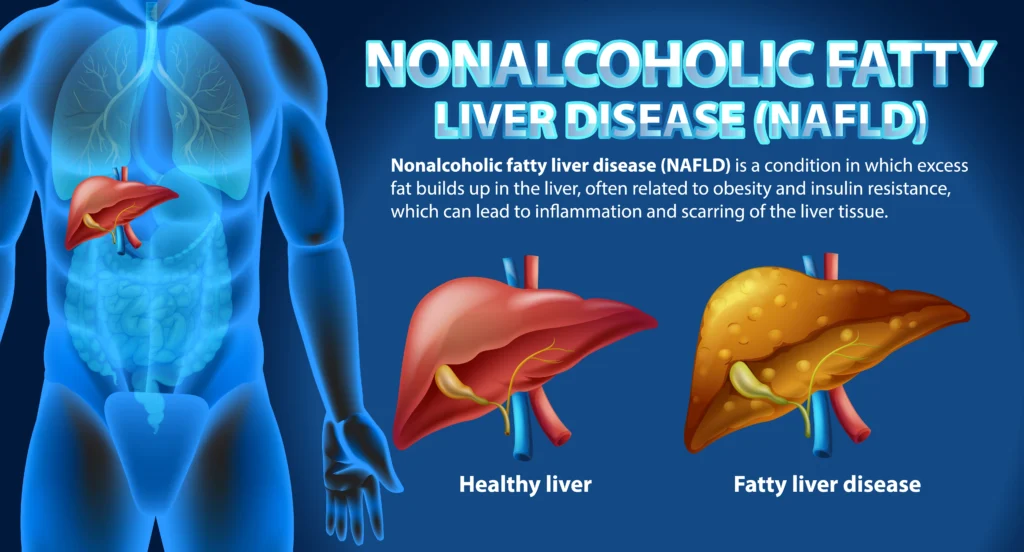
What Is Fatty Liver Disease?
Fatty liver disease occurs when fat makes up more than 5–10% of the liver’s weight. The liver is important in digestion and detoxification. Liver work is impacted in the long term when there is fat build-up. This may result in inflammation or permanent damage. It can be seen in adults and children.
Types of Fatty Liver Disease
Fatty Liver Disease in Alcoholics
The condition arises when there is excessive alcohol use. Alcohol is hard to process in the liver, and this results in the accumulation of fat. Cirrhosis may develop over a long period of damage.
Non-Alcoholic Steatohepatitis (NASH)
NASH is a more drastic NAFLD. It is characterised by inflammation and cell damage of the liver. This disorder may result in fibrosis or cirrhosis. It has to be closely monitored and treated. It is significant to intervene early.
Acute Fatty Liver of Pregnancy (AFLP)
It is an uncommon pregnancy condition. It tends to happen during the third trimester. Otherwise, it may lead to liver failure. The symptoms are nausea, vomiting and abdominal pain. This requires immediate medical attention.
Fatty liver disease in microvesicles
This kind comprises small fat droplets within liver cells. It is frequently associated with genetic or metabolic problems. It may also be the result of some drugs. The condition can develop at a high rate. It is important to diagnose early.
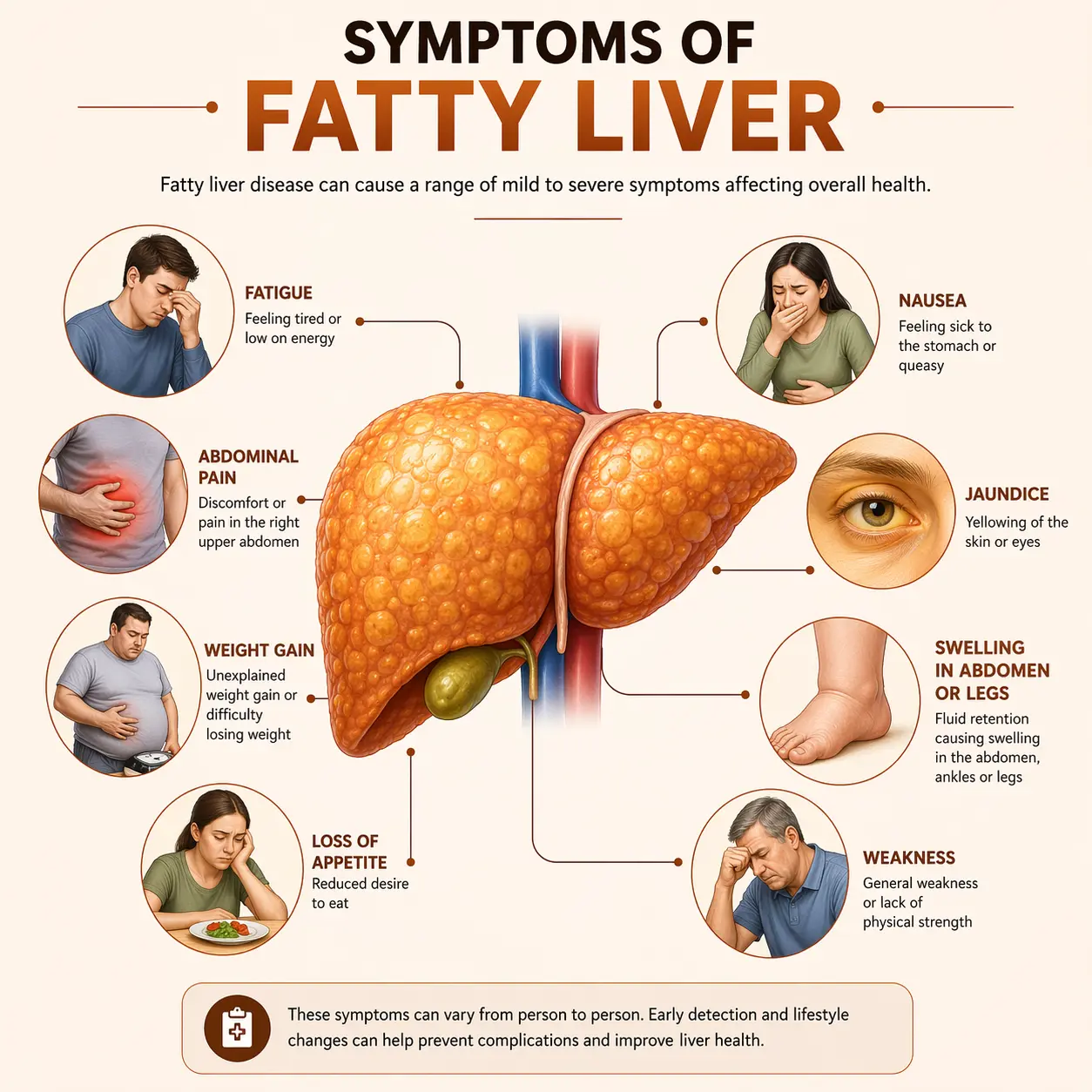
Fatty Liver Disease Symptoms (Check Your Symptoms)
The symptoms of fatty liver disease can be hidden in the initial stages. With the development of the condition, the symptoms can manifest themselves gradually.
Common signs include:
- Fatigue and weakness.
- Abdominal pain/discomfort in upper right abdomen.
- Unexplained weight loss.
- Enlarged liver.
- Skin yellowing in severe cases.
In case you observe such symptoms, early check-up is necessary.
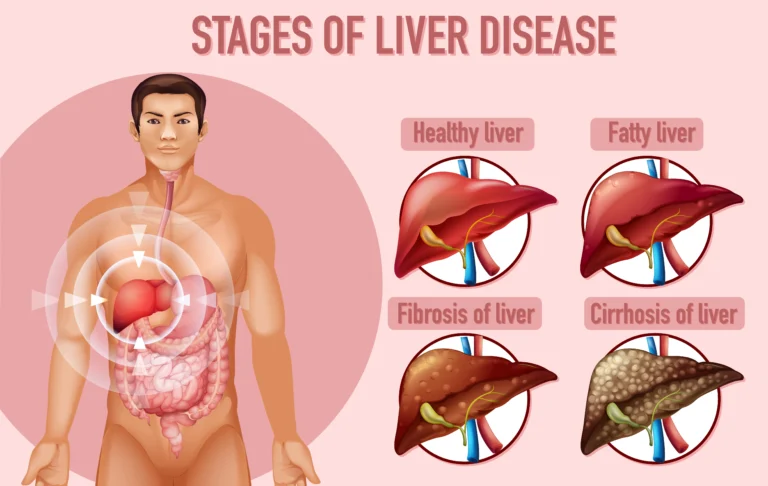
Fatty Liver Disease Causes and Risk Factors
Fatty liver disease occurs as a result of various factors. The most prevalent ones are poor diet and physical inactivity.
Key risk factors are:
Obesity and metabolic syndrome, Type 2 diabetes, High cholesterol levels, Excess alcohol consumption, Rapid weight loss, Certain medications. The diet is a significant factor. A lot of individuals seek the fatty liver disease diet to control the illness. Sugar and fatty foods may deteriorate the liver.
Diagnosis and tests of fatty liver disease
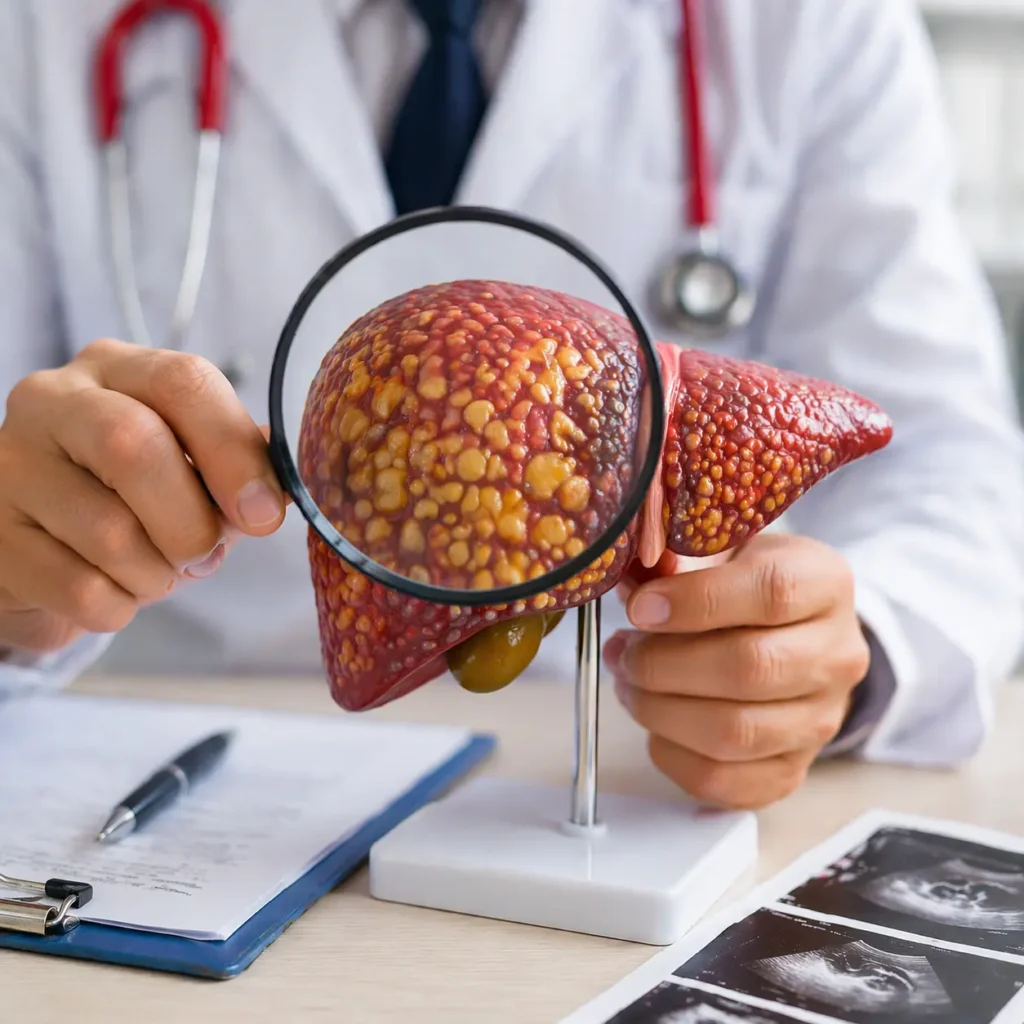
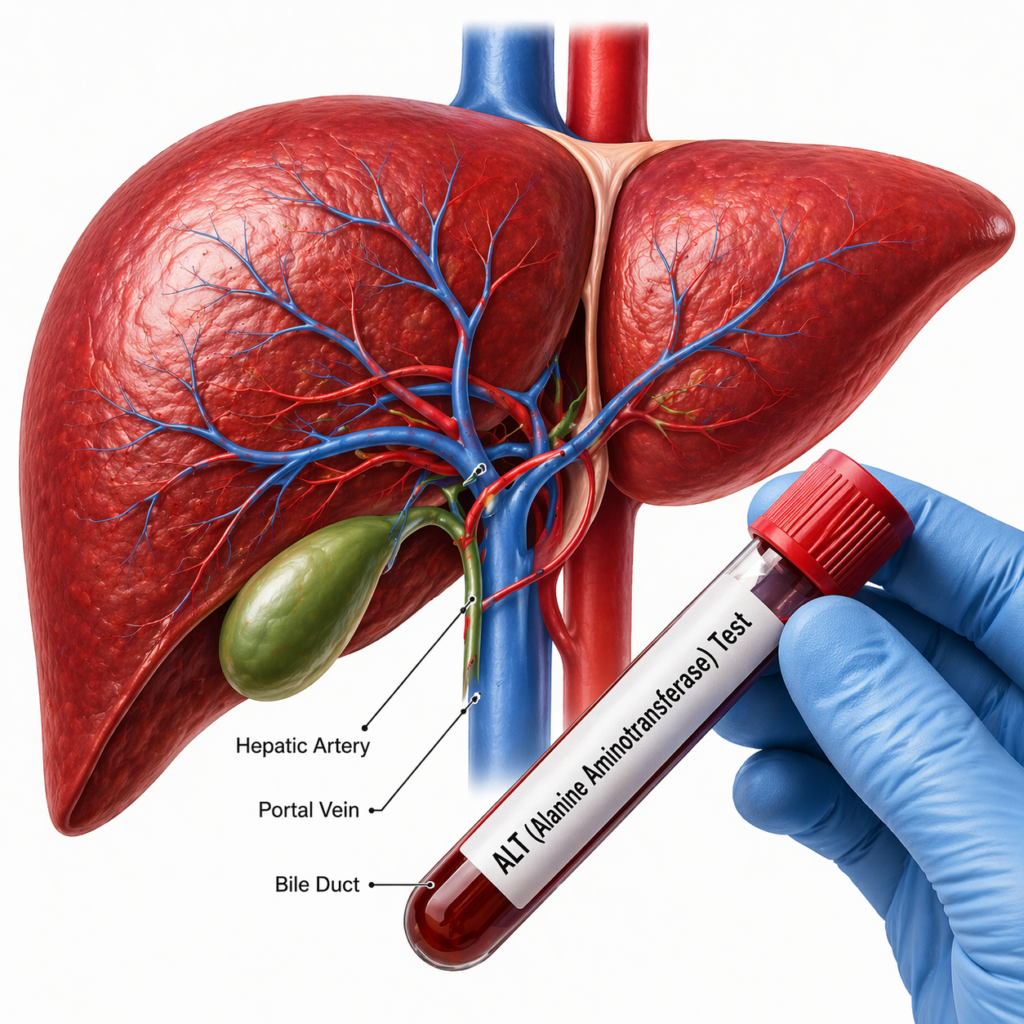
There are various ways through which doctors diagnose fatty liver disease. These tests assist in establishing the presence of fat and determining liver damage. Blood tests to check liver enzymes, visualisation of ultrasound or fatty liver disease, CT scan or MRI, and severe liver biopsy. Early diagnosis enhances the treatment results and eliminates complications.
ICD-10 Code of Fatty Liver Disease.
The fatty liver disease ICD 10 code helps in medical classification and billing.
Common codes include ICD
10 fatty liver disease: K76.0 and ICD 10 non-alcoholic fatty liver disease.
These codes are used worldwide by healthcare professionals. In medical records, you can also find such terms as ‘ICD-10 code fatty liver disease’ or ‘ICD-10 fatty liver disease’.
Fatty Liver Disease Treatment
No one cure exists, but the treatment involves lifestyle modifications. It is imperative to address underlying conditions.
Common approaches include:
Diet and exercise to lose weight, Adherence to a good fatty liver disease diet, Controlling blood sugar and cholesterol, avoiding alcohol. Others seek solutions such as apple cider vinegar and fatty liver disease treatment. Nevertheless, medical consultation should be noted prior to attempting such alternatives. Research is ongoing for new treatments for fatty liver disease.
FAQS
What is survival with fatty liver disease?
With early management, most people lead a normal life. Progression can be prevented by lifestyle changes. Extreme cases can decrease life expectancy. Frequent observation enhances performance.
What is the optimal diet for fatty liver disease?
Fruits, vegetables, and whole grains are a part of a healthy diet. Sugar, fried foods and alcohol should be avoided. Low-fat proteins and fats are good. A well-balanced diet decreases fat on the liver.
What is the ICD-10 code for fatty liver disease?
K76.0 is the typical ICD-10 fatty liver disease. It is applied to diagnosis and medical records. This code is also applicable to non-alcoholic fatty liver disease ICD-10.
Will apple cider vinegar assist fatty liver disease?
There is a belief that apple cider vinegar fatty liver disease cures can aid digestion. However, there is limited scientific evidence. It cannot be used instead of medical treatment. The first thing to do is to always consult a doctor.
Are there new options of treatment of fatty liver disease?
Scientists are trying to develop new therapies. The present management emphasises lifestyle modifications. Medications are under research to achieve improved results. The best approach is early diagnosis.