
Quick overview of the symptoms of kidney disease
Signs and symptoms of chronic kidney disease develop slowly as kidney damage worsens. Reduced kidney function may lead to fluid retention, accumulation of waste, or electrolyte imbalances. The severity determines the specific effects, which can include:
- Nausea and vomiting
- Loss of appetite
- Fatigue and weakness.
- Sleep issues
- Experiencing increased (early stage CKD) or decreased (advanced stage CKD) urination
- Reduced mental clarity
- Muscle cramps
- Swelling of the feet and ankles
- Dry, itchy skin
- Uncontrolled high blood pressure (hypertension)
- Shortness of breath occurs if fluid accumulates in the lungs.
- Chest pain caused by fluid buildup around the heart lining.
Signs and symptoms of kidney disease are often nonspecific, meaning that other illnesses can cause similar signs. Because your kidneys can compensate for lost function, you may not notice signs and symptoms until there is irreversible damage.
What exactly is chronic kidney disease?
Chronic kidney disease (CKD or chronic renal disease) involves damage to the kidneys, reducing their function and efficiency. These organs serve as filters, clearing waste, toxins, and excess water from your blood. Additionally, they play vital roles in maintaining bone health and producing red blood cells. As kidney function declines, they cannot filter waste effectively, leading to its accumulation in the bloodstream.
Kidney disease is termed “chronic” because kidney function gradually decreases over time. CKD may advance to kidney failure, or end-stage kidney disease. Not everyone with CKD will reach this point, but without treatment, the condition often deteriorates. There is no cure for chronic kidney disease, but you can take measures to slow its progression. When kidney failure occurs, treatments like dialysis and transplantation become options.
What are the causes of kidney disease?
Chronic kidney disease occurs when an illness or condition damages the kidneys, leading to a gradual decline in kidney function over several months or years. Causes of chronic kidney disease include:
- Glomerulonephritis, an inflammation affecting the kidney’s filtering units, known as the glomeruli.
- Interstitial nephritis, an inflammation of the kidney’s tubules and surrounding structures
- Polycystic kidney disease or other inherited kidney diseases
- Prolonged urinary tract obstruction caused by conditions such as an enlarged prostate, kidney stones, and specific cancers.
- Vesicoureteral reflux is a condition in which urine flows backward from your bladder into your kidneys.
- Recurrent kidney infection, also known as pyelonephritis.
- Frequent use of medications such as NSAIDs, PPIs (Proton Pump Inhibitors), and ACE inhibitors may harm the kidneys.
What are the risk factors that can lead to kidney disease?
Factors that may raise your risk of chronic kidney disease include:
- Type 1 or Type 2 diabetes
- High blood pressure
- Cardiovascular disease (heart-related conditions)
- Smoking
- Obesity
- Family history of kidney disease
- Abnormal kidney anatomy
- Older adults
- Autoimmune diseases such as Lupus Nephritis, IgA Nephropathy, and ANCA-associated Vasculitis
What are the methods used to diagnose kidney disease?
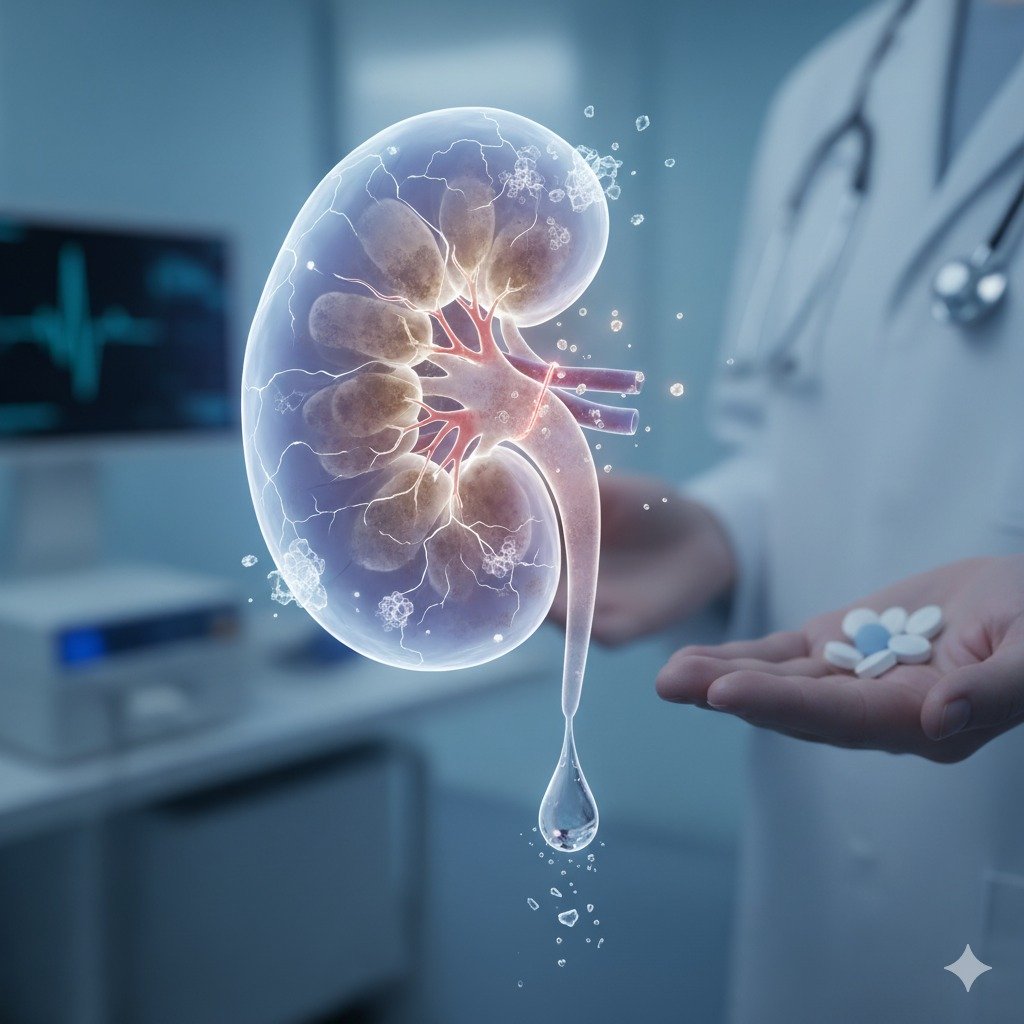
Initially, your doctor will review your medical history, conduct a physical examination, inquire about your medications, and assess any symptoms you have experienced. They will also order blood and urine tests to check your kidney function.
Specifically, the blood tests will examine:
- Your glomerular filtration rate (GFR) reflects how effectively your kidneys filter blood, measuring the number of milliliters processed per minute. It helps assess the stage of your kidney disease.
- Your serum creatinine level reflects how effectively your kidneys are removing waste. Creatinine, a byproduct of muscle metabolism, is usually excreted in urine. Elevated blood creatinine levels indicate that your kidneys may not be functioning properly to clear it.
- Urine tests will detect the presence of protein (albumin) and blood. Healthy urine typically does not contain either of these.
Additional tests may involve imaging methods such as ultrasound, MRI, or CT scans to assess the size and structure of your kidneys. Your doctor may also recommend a kidney biopsy to identify a specific kidney disease or evaluate the severity of kidney damage.
What are the treatments for chronic kidney disease?
Lifestyle changes
While there is no cure for chronic kidney disease (CKD), you can take measures to maintain your kidney function for as long as possible. If your kidney function is reduced:
- Schedule and keep regular appointments with your healthcare provider or nephrologist, a kidney care specialist. These professionals oversee your kidney health.
- Manage your blood sugar levels carefully if you have diabetes.
- Refrain from using painkillers and medications that might exacerbate your kidney disease.
- Control your blood pressure.
- Follow a kidney-friendly diet, which might include reducing protein intake, selecting foods that help lower blood cholesterol, and limiting sodium (salt) and potassium consumption. However, protein restriction should be guided by a nephrologist or nutritionist to prevent malnutrition and muscle wasting.
- Avoid smoking.
- Exercise or be active on most days of the week.
- Maintain a healthy weight for you.
- Take medications for kidney disease.
Medications
Depending on the cause of your kidney disease, your doctor might prescribe one or more medications. Your nephrologist may suggest medications such as:
- Take an ACE inhibitor or an ARB to reduce your blood pressure.
- A phosphate binder is used when your kidneys are unable to eliminate phosphate.
- A diuretic medication that helps your body eliminate excess fluid.
- Medications used to lower cholesterol levels.
- Erythropoietin is used to promote the production of red blood cells in people with CKD-induced anemia.
- Vitamin D and calcitriol to help prevent bone loss.
Surgical Procedures
Since there is no cure for CKD, if you are at end-stage kidney disease, you and your healthcare team need to explore other options. Complete kidney failure can lead to death if not treated. Options for end-stage kidney disease include dialysis and kidney transplantation.
- Dialysis: is a procedure that employs machines to eliminate waste from your body when your kidneys fail to do so.
- Kidney transplantation: involves replacing a diseased kidney with a healthy one. Donor kidneys are obtained from two sources: living donors and deceased donors. Living donors are usually family members, partners, or friends. A person can donate a kidney because they can live comfortably with only one healthy kidney.
What steps can be taken to prevent and lower the risk of kidney disease?
To reduce your risk of developing kidney disease:
- Follow the instructions on over-the-counter medications carefully. When using nonprescription pain relievers like aspirin, ibuprofen (such as Advil or Motrin IB), and acetaminophen (such as Tylenol), be sure to follow the directions on the label. Excessive use of these pain relievers over time may lead to kidney damage.
- Maintain a healthy weight by staying physically active most days. If you need to lose weight, consult your doctor for safe weight loss strategies.
- Avoid smoking, as cigarette use can damage your kidneys and exacerbate existing kidney issues. If you smoke, consult your doctor for help in quitting. Support groups, counseling, and medications are available to assist you in overcoming your addiction.
- Manage your health conditions with your doctor’s guidance. If you have conditions that increase your risk of kidney disease, collaborate closely with your doctor to manage them effectively. Consult your doctor about tests that can help identify signs of kidney damage.
Check Your Kidney Health Now
Living with kidney disease
A diagnosis of CKD can have a profound impact on your life. Treatment is ongoing and requires patience and dedication. Do not hesitate to ask your healthcare providers any questions. Remember, managing kidney disease is possible, and many live for many years with CKD. Lean on your family and friends for support, and consider joining online or in-person support groups to connect with others facing similar challenges. Seek support from loved ones to navigate treatment together.
Frequently Asked Questions
What color does urine become when kidney failure happens?
Your urine should usually not change color, but if it appears foamy or frothy, it could indicate excess protein, suggesting that your kidneys are not filtering toxins effectively.
How can you tell if your kidneys are struggling?
You may not notice that your kidneys are failing, as early-stage kidney disease often shows no symptoms. That is why it is essential to have annual wellness exams with your primary care provider to manage chronic conditions such as diabetes or high blood pressure, which can lead to kidney disease.
What is the lifespan of someone with chronic kidney disease?
Although CKD can be severe, many people live long, fulfilling lives after diagnosis. Most who seek treatment and manage their condition well can prevent progression to kidney failure or death. Therefore, it is essential to attend all scheduled check-ups and work closely with your healthcare provider to develop and implement your treatment plan. Heart disease is the leading cause of death in CKD patients, caused by CKD-related complications. Managing other health issues that negatively impact kidney function is also crucial for maintaining kidney health.
What can I anticipate if I develop kidney disease?
Even if you have kidney disease, you can still enjoy a fulfilling home and work life and spend meaningful time with loved ones. To achieve the best outcomes, it is important to stay actively engaged with your healthcare team. Early diagnosis and proper treatment are vital to slowing the disease’s progression and aiming to prevent or delay kidney failure. Ensure you attend all scheduled medical appointments, follow your medication plan, maintain a balanced diet, and regularly monitor your blood pressure and blood sugar levels.
Is kidney disease something that runs in families?
Yes, kidney disease can be hereditary. Risk factors like diabetes that contribute to CKD also often run in families.