
Brief overview of liver cancer symptoms
Most people overlook signs and symptoms in the early stages of primary liver cancer. When they do show up, they may include:
Yellowing of your skin and the whites of your eyes (jaundice): Often accompanied by dark-colored urine or gray/pale stools.
White, chalky stools: A sign of potential liver or bile duct issues.
A hard bump or lump on the right side of your body, just below your rib cage: May indicate liver enlargement or mass.
Itchy skin: Persistent itching without rash.
Unexplained weight loss: Losing weight without trying.
Loss of appetite: Reduced desire to eat.
Upper abdominal pain: Discomfort or pain in the upper belly area.
Nausea and vomiting: Feeling sick or actually vomiting.
Experiencing overall weakness and tiredness: General fatigue or low energy.
Abdominal swelling: Noticeable bloating or fluid buildup.
Unexplained bruises: Bruising without injury.
Fever: Elevated body temperature without obvious cause.
What exactly is liver cancer?
Liver cancer originates in the cells of your liver. This organ, roughly the size of a football, is situated in the upper right area of your abdomen, beneath the diaphragm and above the stomach.
Different kinds of cancer can occur in the liver. The most common is hepatocellular carcinoma, which arises from primary liver cells (hepatocytes). Less common types include intrahepatic cholangiocarcinoma and hepatoblastoma.
Cancer that spreads to the liver is more common than primary liver cancer. When cancer originates elsewhere, such as in the colon, lung, or breast, and spreads to the liver, it is called metastatic cancer rather than liver cancer. This type of cancer is named after its original site, such as metastatic colon cancer, indicating that it started in the colon and later spread to the liver.
What are the common causes of liver cancer?
Liver cancer occurs when liver cells acquire mutations in their DNA. DNA contains instructions for all chemical processes in your body. When mutations happen, these instructions change, which can cause cells to grow uncontrollably and form a tumor, a mass of cancerous cells.
Sometimes liver cancer’s cause is known, like with chronic hepatitis infections. However, in other cases, it occurs in individuals without underlying disease, and the precise cause is often unknown.
What are the factors that increase the risk of liver cancer?
Factors that elevate the risk of primary liver cancer include:
- Chronic infection with HBV or HCV: increases your risk of liver cancer.
- Cirrhosis: is a progressive and irreversible condition that causes scar tissue to develop in your liver, increasing the risk of liver cancer.
- Some inherited liver diseases: like hemochromatosis and Wilson’s disease, can increase the risk of liver cancer.
- People with diabetes: are at a higher risk of developing liver cancer than those who do not have the condition. Insulin resistance causes metabolic stress on liver cells, contributing to fat accumulation and inflammation, which increases the incidence of liver cancer. People with type 2 diabetes have a higher risk of liver cancer due to chronic metabolic dysfunction, inflammation, and often coexisting fatty liver disease.
- Hypertension: may also contribute to metabolic syndrome and liver inflammation, indirectly increasing the risk of liver cancer when combined with other metabolic abnormalities.
- Excess body fat: promotes chronic inflammation and fat accumulation in the liver, also known as NAFLD (Non-alcoholic fatty liver disease). This raises liver cancer risk.
- Exposure to aflatoxins: involves poisons produced by molds that grow on improperly stored crops. These molds can contaminate foods made from crops such as grains and nuts, potentially leading to the ingestion of aflatoxins.
- Excessive alcohol intake: defined as drinking more than a moderate amount daily over many years, can lead to irreversible liver damage and increase the risk of liver cancer.
- Smoking: significantly increases the risk of liver cancer. Tobacco carcinogens are metabolized in the liver and contribute to liver inflammation and DNA damage. The risk increases with the duration and frequency of smoking.
- Certain industrial chemicals: are linked to increased liver cancer risk. These include vinyl chloride (used in plastics manufacturing), thorium dioxide (an older radiologic contrast agent), and arsenic exposure (via contaminated drinking water).
- Your gender: also acts as a risk factor for liver cancer. Males tend to develop liver cancer 2 to 3 times as much as females do. This is linked to higher rates of hepatitis infections in men and higher alcohol consumption patterns, as well as androgen-related biological factors that may promote tumor growth.
How is liver cancer diagnosed?
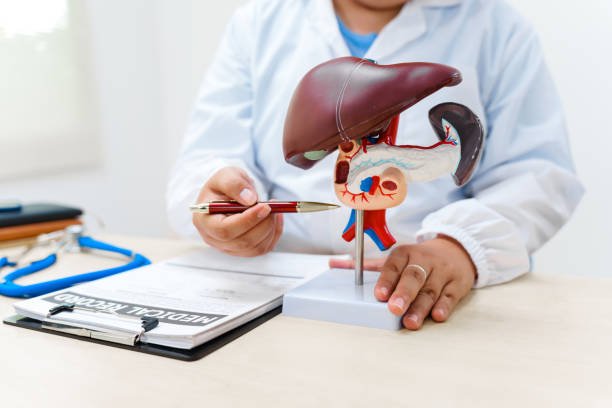
Tests and procedures used to diagnose liver cancer include:
- Blood tests: are capable of detecting irregularities in liver function.
- Imaging tests: such as an ultrasound, CT scan, and MRI.
- Biopsy: Sometimes, a small piece of liver tissue is taken for laboratory testing to confirm a diagnosis of liver cancer.
What are the treatment options for liver cancer?
Treatments for primary liver cancer vary depending on the disease stage, your age, overall health, and personal preferences.
- Surgery: typically involves removing the tumor, but its appropriateness depends on the tumor’s location in the liver, your liver’s functioning, and your overall health. Liver transplant surgery might also be an option.
- Radiation therapy: uses high-energy beams such as X-rays and protons to destroy cancer cells and shrink tumors. It targets the liver accurately while shielding adjacent healthy tissue.
- Targeted drug therapy: concentrates on specific abnormalities inside cancer cells. By inhibiting these abnormalities, such treatments can lead to the death of cancer cells.
- Immunotherapy: harnesses your immune system to combat cancer. Sometimes, cancer cells produce proteins that prevent immune cells from recognizing them, so your body can’t attack the tumor. Immunotherapy helps by blocking these proteins, enabling the immune system to identify better and fight the cancer.
- Chemotherapy: involves using drugs to target and destroy rapidly dividing cells, such as cancer cells. These drugs can be administered via an IV in your arm, in pill form, or through a combination of both methods.
- Supportive (palliative) care: involves specialized medical treatment focused on alleviating pain and managing symptoms of serious illness. Experts in palliative care work closely with you, your family, and your healthcare team to provide additional support that complements your ongoing treatments.
What steps can you take to prevent liver cancer?
Cirrhosis involves scarring of the liver and increases the chances of developing liver cancer. You can reduce your risk of cirrhosis by:
- Consuming alcohol in moderation.
- Maintaining a healthy weight.
- Getting the hepatitis B vaccine
- Taking measures to prevent hepatitis C.
- Being aware of the health status of any sexual partner.
- Being conscious of the use of intravenous (IV) drugs and needles.
- Selecting safe and hygienic shops for piercings or tattoos.
- Seeking medical treatment for hepatitis B or C infections.
- Getting an annual or biannual screening ultrasound is advised by the doctor if you belong to a high-risk group for liver cancer.
Check Liver Symptoms
Living with liver cancer
Primary liver cancer is a serious, life-threatening condition that may go unnoticed until it advances, limiting treatment options. Your healthcare team will focus on preventing cancer growth and providing therapies to alleviate symptoms and maintain your quality of life. Be sure to ask your doctor about the available treatment options for advanced cancer. They will explain the benefits and potential side effects of each so that you can make informed decisions as your condition changes.
Frequently Asked Questions
Can liver cancer be treated?
Successful liver transplants can remedy liver cancer. However, not all candidates are healthy enough to qualify for a transplant, and finding a suitable donor liver can be challenging.
What are the initial indicators of liver cancer?
Sadly, early-stage liver cancer often presents no symptoms. If you’re concerned, consult a doctor to assess your risk. They may recommend tests to evaluate your liver’s condition and functionality.
What is the expected life span for someone diagnosed with liver cancer?
Data indicate that 21% of individuals with HCC or ICC survive five years post-diagnosis. A “relative survival rate” compares two five-year survival percentages: one for patients with the disease and one for those without. Here, 21% of patients with HCC or ICC are alive after five years, compared to 79% in the general population. Researchers also analyze survival rates by cancer stage. The five-year survival for early-stage (stage I or II) liver cancer is 37%, decreasing to 13% for stage III and 3% for stage IV.
Is it normal to worry if I have a cyst on my liver?
Simple liver cysts are often harmless and quite common. When cysts grow, we carefully check to make sure there’s no tumor causing the growth and that it isn’t leading to any issues. This process is usually reviewed over time with your hepatologist or surgeon.
If a parent has liver cancer, do their children have a higher risk of developing it?
In some cases, having a parent with liver cancer can raise your personal risk in the case of an inheritable condition (like hemochromatosis) or shared risk factors (like HBV). But for most people, the risk is not hereditary. It is always beneficial to discuss any concerns or questions with your primary care doctor.