
Food Allergies
Overview
Food allergies are the reaction of the immune system to some food as harmful. Even a little can cause symptoms. The reactions can be mild to severe. Food allergies are often mistaken for food intolerances. But allergies are associated with the immune system. Intolerance does not. Both children and adults may have food allergies. Cases are on the increase across the globe. Environmental factors and poor dietary habits may be contributory factors. This prevents severe complications that can arise due to late diagnosis.

Food Allergies: What Are They?
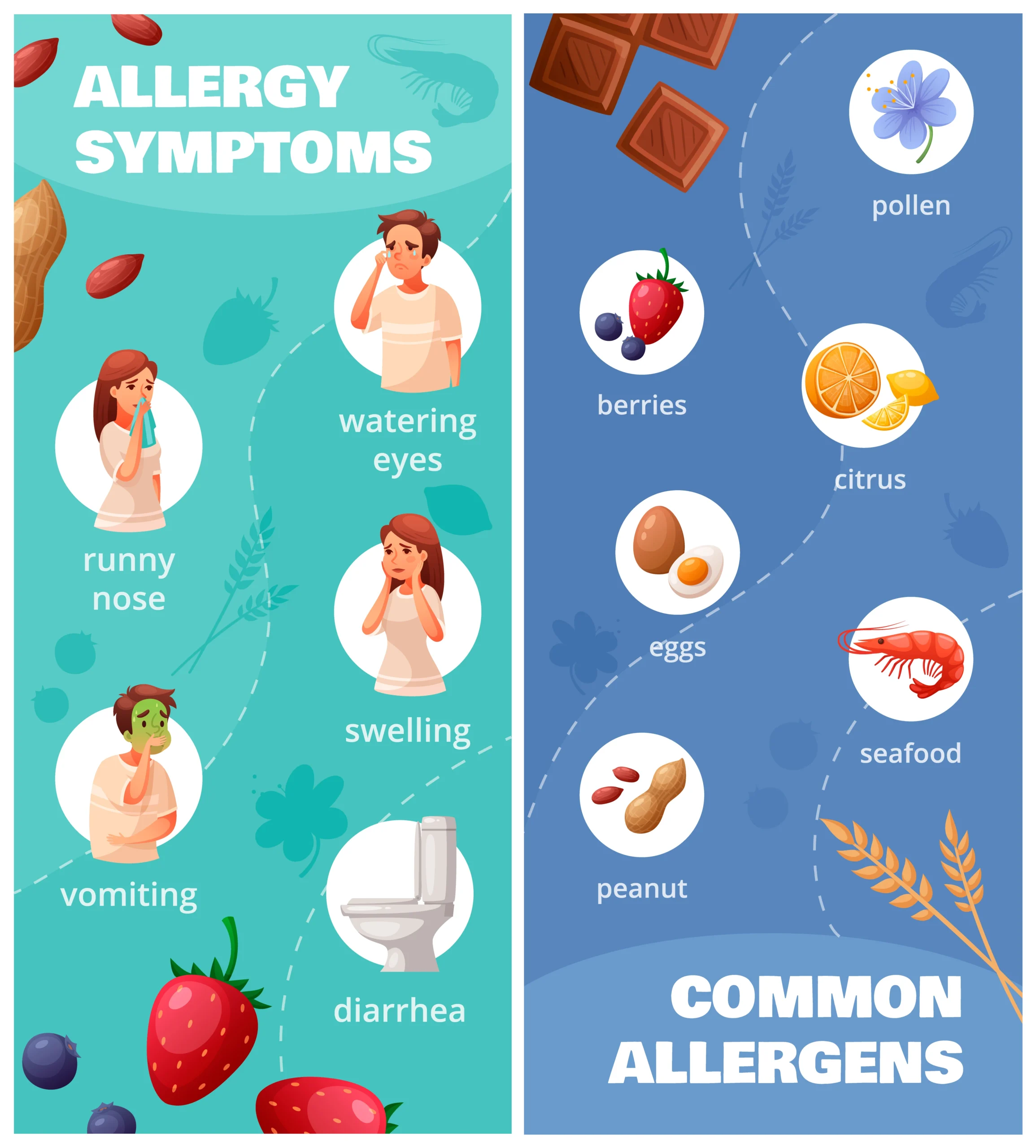
Food allergies are the immunological reactions to certain food proteins. The body considers these proteins as harmful. This leads to a reaction. Foods that are commonly allergic are milk, eggs, peanuts and shellfish. There are also individuals who are sensitive to soy or wheat. Symptoms can be caused even by processed food. In extreme circumstances, an individual can end up developing anaphylaxis. It is a condition that is life-threatening. It needs to be treated immediately.
Types of Food Allergies
IgE-Mediated Food Allergies
This is the most widespread. The symptoms manifest soon after consumption of food. It can consist of swelling, itchiness, and difficulty in breathing.
Non-IgE-Mediated Food Allergies
These reactions are delayed. After hours the symptoms can manifest. The digestive problems are more prevalent in this type.
Mixed Food Allergies
Others have both types. Symptoms can vary. It might require a long time to diagnose.
Exercise-Induced Food Allergies
It happens when one consumes a particular food and, after, exercises. The reaction does not occur with food only. The immune response is elicited by physical activity.
Pollen-Food Allergy (Oral Allergy Syndrome).
This disease is associated with allergies to pollen. Some raw fruits and vegetables itch in the mouth. The symptoms are normally mild and temporary.
Alpha-Gal Syndrome
This is a rare type of food allergy to red meat. It is brought about by a tick bite. The symptoms are exhibited a few hours after consuming meat.
Food Allergy Symptoms
Symptoms may impact various body parts. They can manifest themselves within minutes or hours.
Common symptoms include:
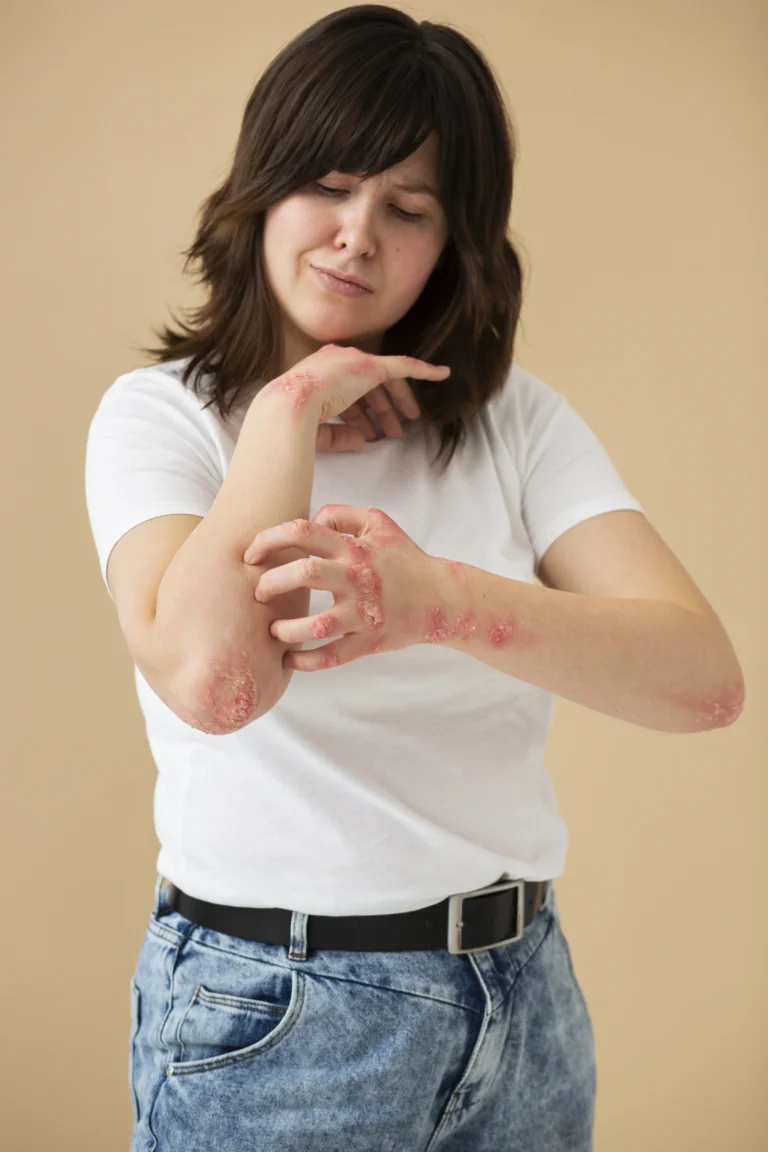
- Skin rash or hives
- Lip, face, or throat swelling.
- Nausea or vomiting
- Bloating or diarrhoea due to food allergy.
- Difficulty breathing
- Dizziness or fainting
Anaphylaxis can be brought about by severe reactions. This requires immediate medical attention. Lasting food allergy reaction: How long? It can take several hours up to minutes. There are instances that the symptoms reappear later.
Causes and Risk Factors
Food allergies are the result of an overreaction of the immune system. It is not necessarily known what causes it exactly.
Typical risk factors are: Family history of allergies, Asthma or eczema, Weak immune response, environmental exposure. Diet is also a factor. Unhealthy foods and junk food can be a risk factor. Others also look up information concerning foods to avoid those that are allergic to dust mites. Although dust mites are not food, cross-reactions can take place. Essential oils and food allergies are also discussed. Certain oils can cause allergies in sensitive people.
Tests and Diagnosis
There are a number of steps in diagnosis. Symptoms and history will be reviewed by a doctor.
Common tests include: Skin prick test, blood test (IgE levels), elimination diet, oral food challenge. There is also an increase in pet-related issues. A lot of individuals seek a dog food allergy test. The same testing can be done to pets.
ICD 10 Code of Food Allergies.
The ICD 10 code of food allergies is dependent on the type.
Common codes include: T78.0 Anaphylactic reaction due to food, T78.1 Other adverse food reactions. Accurate coding helps in medical records and treatment planning.

Treatment
Food allergies have no full-fledged cure. Management is concerned with prevention.
Common treatments include: Avoiding trigger foods, antihistamines for mild symptoms, and epinephrine in case of serious reactions. Emergency medicine should be kept with the patients at all times. It is very important to read food labels. In the case of pets, people usually look into the food of pet dogs, including dog food allergies, or cat food allergies. Diets are used to decrease symptoms.
Examples include good allergy dog food, Allergy Dog foods, Allergy to dog skin dog food, Allergy cat food
Living with Food Allergies.
Food allergies are a condition that must be taken care of. Awareness is key.
Helpful tips include: Always check ingredients. Educate people about your allergy. Carry emergency medication. Avoid cross-contamination
Emotional and social life can be impacted by food allergies. The health consequences of the food allergy on the family may be drastic. Families will need to readjust to safe food practices. Diets should also be changed by the owners of pets. Dog food and cat food have to be selected with care by food allergies.
Complications of Food Allergies
Food allergies that are not treated may cause severe problems.
Possible complications include:
- Extreme allergies (anaphylaxis)
- Nutritional deficiencies
- Anxiety around food
- Lack of a good life.
Exposure risk is increased with exposure. Early management assists in minimising complications.

FAQS
What is the difference between food allergy and food intolerance?
Food allergies are a response of the immune system to certain proteins. Even small doses will cause symptoms. Food intolerance is primarily related to digestion and is generally not serious. It can also result in such discomfort as bloating or gas. Effective management of the conditions is achieved through proper diagnosis.
Are allergies to food acquired in adulthood?
Yes, food allergies may manifest themselves at any age, including adulthood. An individual can consume a food and be okay over several years and suddenly develop a reaction. This may be caused by changes in the immune system. It can also be due to environmental factors. New symptoms should be consulted with a doctor.
How long does a food allergy reaction last?
The duration of a food allergy reaction can be as short as a few minutes to up to several hours. Mild symptoms usually clear up easily with treatment. Severe reactions are potentially prolonged and need emergency treatment. In others, after a few hours, the symptoms may reappear. It is advisable to monitor following any reaction.
Is it possible to have pets with food allergies like humans?
Yes, pets such as dogs and cats can develop food allergies. The typical symptoms are itchiness, rashes, and gastrointestinal issues. A lot of owners change the food and switch to dog food or cat food due to food and cat allergies, respectively. Diets are special to decrease the symptoms. A veteran can lead to the correct testing and therapy.
What food shall I not eat when I have food allergies?
It is advisable to stay away from foods that cause your allergic response. Such common allergens are nuts, dairy, eggs, and seafood. Cross-reactions also make some individuals venture into foods they have an allergy to dust mites. It is important to read labels. Never eat food outside without first checking the ingredients.