
Gallstones
Overview
Gallstones are solid material which develops within the gallbladder. The gallbladder is a small organ under the liver. It is a cavity where the bile is stored that assists in digesting fats. Gallstones may be as small as grains or as large as a golf ball. There are those who do not show any symptoms, whereas others might experience excruciating pain. Gallstones are very widespread all over the world and may occur more in adults than in children. Older people and women are more susceptible. Initial knowledge will avoid complications and increase the effectiveness of treatment.
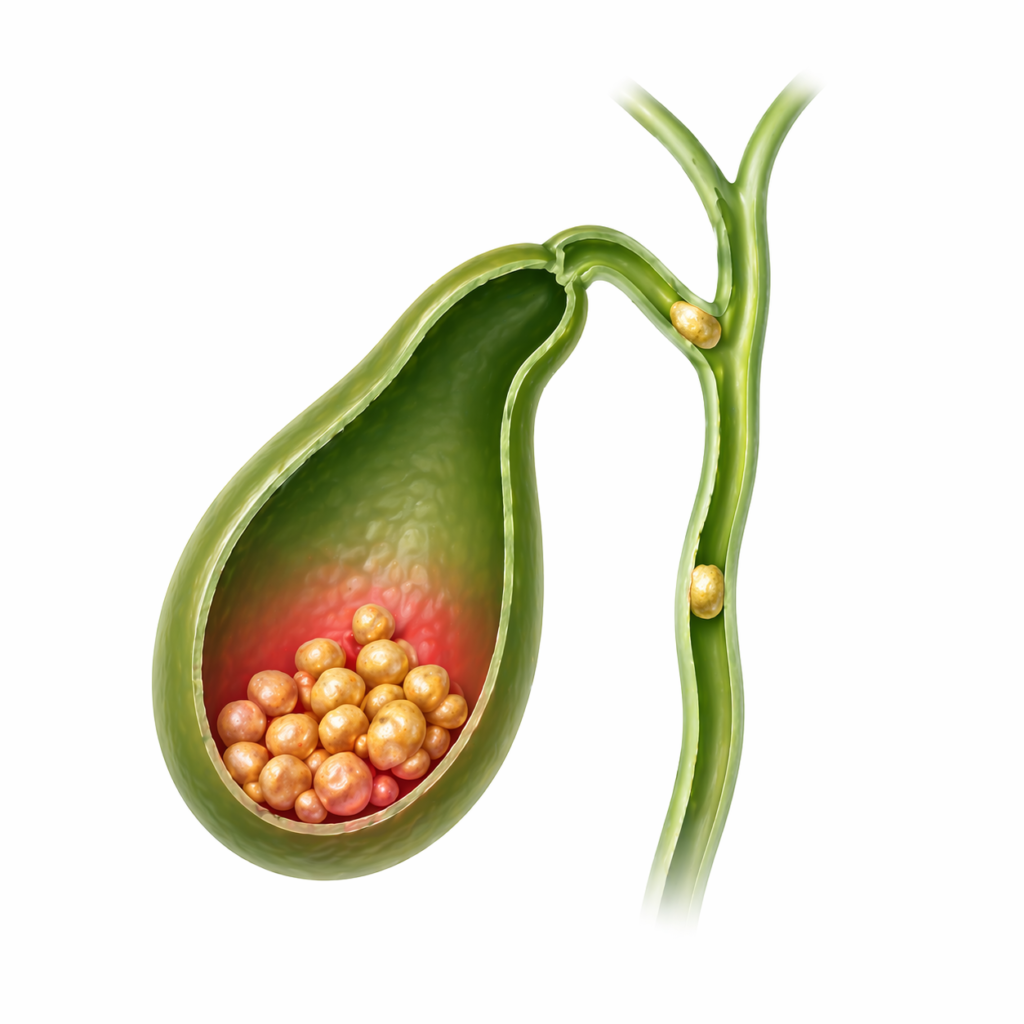
What Are Gallstones?
Gallstones are calcified formations composed of cholesterol or bilirubin. When the bile is unbalanced, they develop. The emptying of the gallbladder can fail to do it, resulting in the formation of stones. These stones may obstruct bile ducts and be painful. There is a tendency to compare kidney stones vs. gallstones. Kidney stones develop in kidneys, whereas gallstones develop in the gallbladder. They both are painful but impact various organs.
Types of Gallstones
Cholesterol Gallstones
This is the most common type. They are yellow-green and consist primarily of cholesterol. They are developed in case bile has excess cholesterol.
Pigment Gallstones
They are smaller and darker. They are produced out of bilirubin. Liver disease or infections may increase their risk.
Silent Gallstones
Silent gallstones are stones that do not cause any symptoms. Many people have them without even knowing.
Acute Cholecystitis
This occurs when a gallstone blocks the gallbladder and causes inflammation. It leads to severe and constant abdominal pain.
Choledocholithiasis
This type happens when gallstones move into the bile ducts. It can block bile flow and cause serious complications.
Gallstones symptoms (Check Your Symptoms)
Gallstones do not necessarily result in symptoms. Once they do, it is referred to as a gallstone attack.
Common symptoms include:
- Abrupt pains in the upper right abdomen.
- Pain after eating fatty foods
- Nausea and vomiting
- Bloating and indigestion
- Back or shoulder pain.
The question that many of us pose is the following: can gallstones be the cause of constipation? Yes, there might be digestive problems such as constipation.
Others also ask, ‘Can gallstones render you fatigued and lightheaded?’ Yes, fatigue and dizziness may occur as a result of pain or bad digestion.
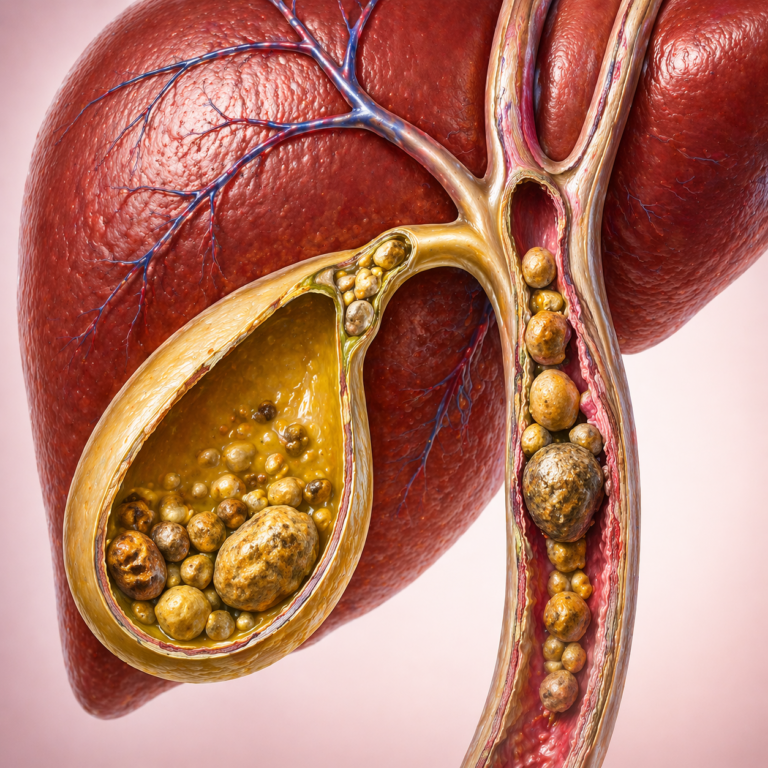
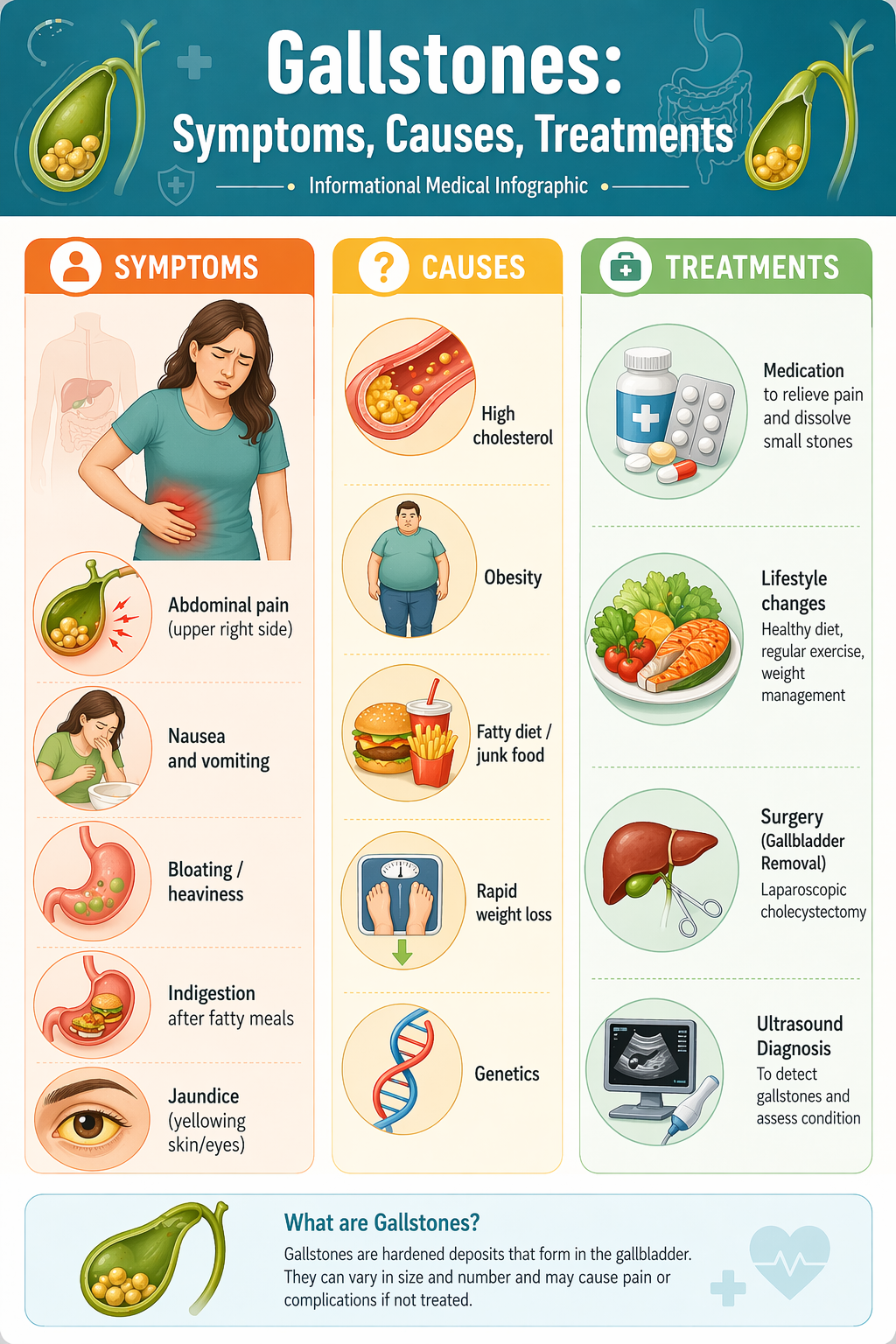
Causes/Risk Factors of Gallstones
The formation of gallstones is as a result of the imbalance in the composition of the bile.
The risk is enhanced by a number of factors: High cholesterol levels, obesity or excessive weight loss, pregnancy, diabetes, and family history (are gallstones hereditary?). Yes, genetics may have something to do with poor diet.
Diet is a significant factor. A lot of individuals seek foods to exclude for gallstones. Worsening of symptoms can be caused by fatty, fried, and processed foods.
Diagnosis and testing of gallstones
There are various tests that doctors utilise to diagnose gallstones:
Ultrasound (most common test), CT scan, and blood complex cases with MRI. In case of symptoms, see a doctor to remove the gallstones. Early diagnosis helps avoid surgery.
ICD 10 Gallstones Code.
The ICD-10 code for gallstones is K80, ‘cholelithiasis’. Medical records and billing are done with this code.
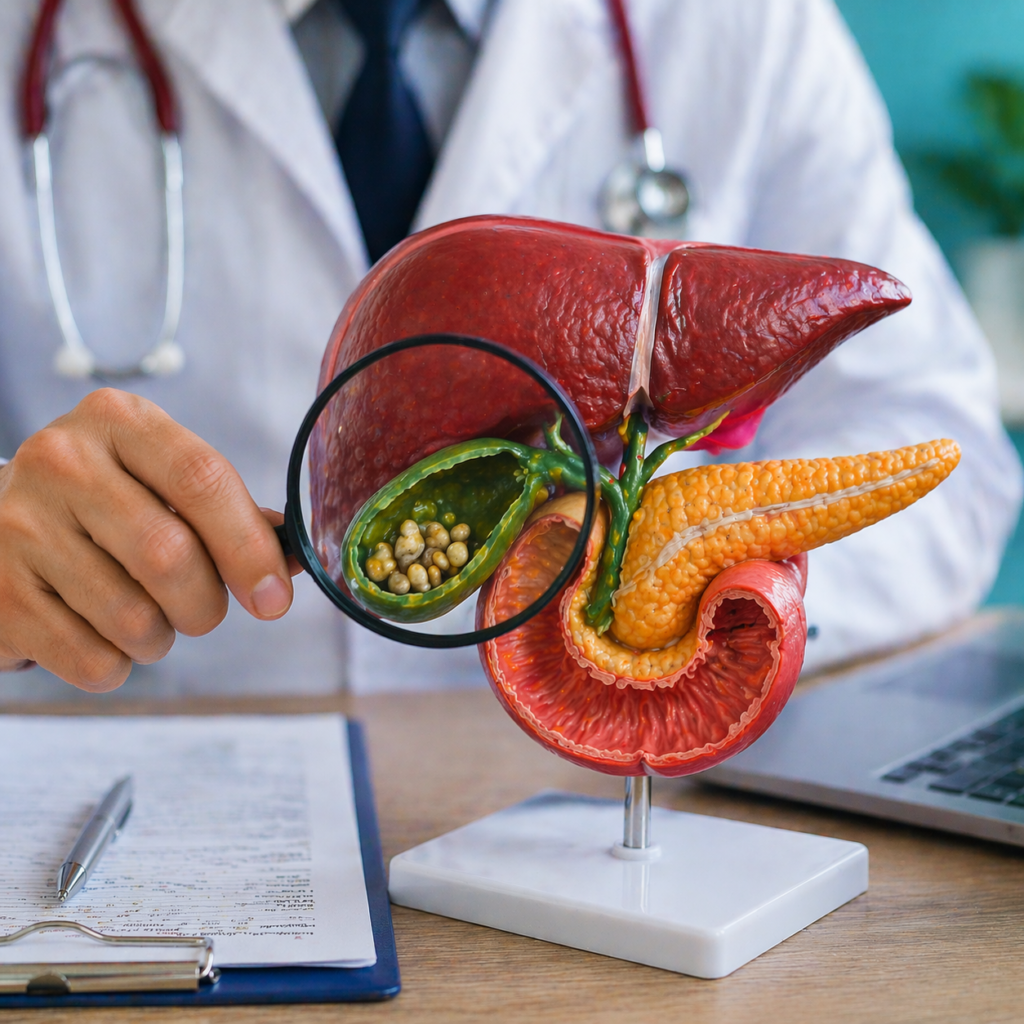
Treatment of Gallstones
The treatment is based on the symptoms and severity.
Medications
Pain medication for gallstones may be prescribed by doctors to alleviate pain. Small stones may also be dissolved by medicines, but this is a lengthy process.
Surgery
Gallbladder removal surgery is the best treatment. The question is, how long does gallstone surgery take? The process typically lasts between 1 and 2 hours, and recovery can be a few days to weeks.
Lifestyle Changes
Diet and weight management are important. Do not eat incorrectly; consume a balanced diet.
Living With Gallstones
Gallstone lifestyle changes are needed to live with it. Eat fewer fatty foods and in smaller quantities. Keep hydrated and physically fit. Regular checkups are important. Others do not experience symptoms, and thus monitoring is required to avoid complications.
Complications of Gallstones
Unattended gallstones may cause severe issues:
- Inflammation of the gallbladder
- Infection
- Blocked bile ducts
- Pancreatitis
Stones may become enormous in some rare instances. The biggest gallstone was a few centimetres in diameter.
FAQS
Are gallstones hereditary?
Yes, gallstones may be familial. In case they were experienced by your parents or close relatives, then you are at higher risk. Genetics may influence the processing of cholesterol and bile by your body. However, lifestyle factors like diet and weight also play a big role. It is typically a combination of heredity and patterns, then.
What are the gallstone foods to avoid?
Individuals who have gallstones ought to avoid fatty and fried food. Meals containing lots of oils, fast foods and processed snacks can be a trigger. Refined carbs and sugary drinks can also aggravate the symptoms. It is better to choose light, low-fat meals. A healthy diet can be used to control and prevent attacks.
Spanish Gallstones in the gallbladder?
Gallstones are called “cálculos biliares” in Spanish. The gallbladder is referred to as “vesícula biliar”. These are the terms that are frequently employed in the medical realm. It is possible to know them in that way, to understand reports or communicate with doctors. They are well known in Spanish-speaking nations.
Will constipation be caused by gallstones?
Yes, gallstones may at times lead to digestive problems such as constipation. They can influence the flow of bile, slowing down digestion. This may cause bloating, discomfort and irregular bowel movements. Not all people, however, feel this symptom. Digestion can be improved by eating and drinking a lot of water.