
Headache Disorders
Introduction
Headache disorders rank among the most widespread neurological conditions globally, affecting people of every age and background. While many assume a headache is simply pain in the head, it can also radiate to the neck, eyes, and face. Some episodes are mild and short lived, while others are recurring and severely disruptive to daily life. Common examples include tension type headaches, migraines, and cluster headaches, all of which can occur periodically or become chronic over time. In some cases, headaches are linked to other health conditions, including mood disorders, where neurological and emotional factors overlap. Recognising headache disorders early supports faster, more effective treatment and significantly improves quality of life.

What Are Headache Disorders?
Headache disorders are medical conditions characterised by recurring or persistent head pain. They are broadly classified as either primary or secondary. Primary headaches are standalone conditions not caused by another underlying disease. Secondary headaches, on the other hand, are symptoms of a separate medical problem such as an infection, injury, or structural issue. These disorders vary considerably in terms of pain intensity, duration, and triggering factors. Some individuals experience a dull, pressure like ache, while others report sharp, throbbing, or burning pain. Emotional and neurological factors can also play a role, particularly when headaches occur alongside mood related conditions. Headache disorders can disrupt sleep, reduce work performance, and limit everyday functioning. A clear understanding of the condition helps reduce both frequency and severity.
Types of Headache Disorders
Tension Type Headaches
This is the most commonly diagnosed headache type. It produces a dull, steady ache or a tight band like pressure around the head. Stress, poor posture, and muscle tension are the most frequent triggers.
Migraines
Migraines involve intense, throbbing pain that is typically felt on one side of the head. They are often accompanied by nausea, vomiting, and heightened sensitivity to light and sound. Episodes can last anywhere from a few hours to several days. For a detailed guide, visit our page on migraine symptoms.
Cluster Headaches
Cluster headaches are one of the most painful headache types, occurring in cyclical patterns or clusters. The pain is usually concentrated around or behind one eye. Although less common than other forms, they are extremely severe and require targeted medical treatment.
Secondary Headaches
These headaches develop as a symptom of an underlying condition such as sinusitis, head trauma, hypertension, or infection. Treating the root cause typically resolves the headache.
Headaches and Bipolar Disorder
Research continues to show a notable connection between headaches and certain mood disorders. Emotional instability, medication side effects, and disrupted sleep patterns can all act as headache triggers. Those managing conditions such as bipolar disorder may experience headaches more frequently due to these interconnected factors.
Symptoms of Headache Disorders
Symptoms vary based on the type and severity of the headache disorder. Some are mild and temporary, while others significantly interfere with daily activities.
Common symptoms include:
- Dull or throbbing pain in the head
- Pressure or tightness around the forehead or temples
- Sensitivity to light or sound
- Nausea or vomiting
- Soreness or discomfort behind the eyes
- Neck stiffness or tension
If headaches are frequent, worsening, or disrupting your routine, consulting a healthcare professional is strongly advised.

Causes and Risk Factors of Headache Disorders
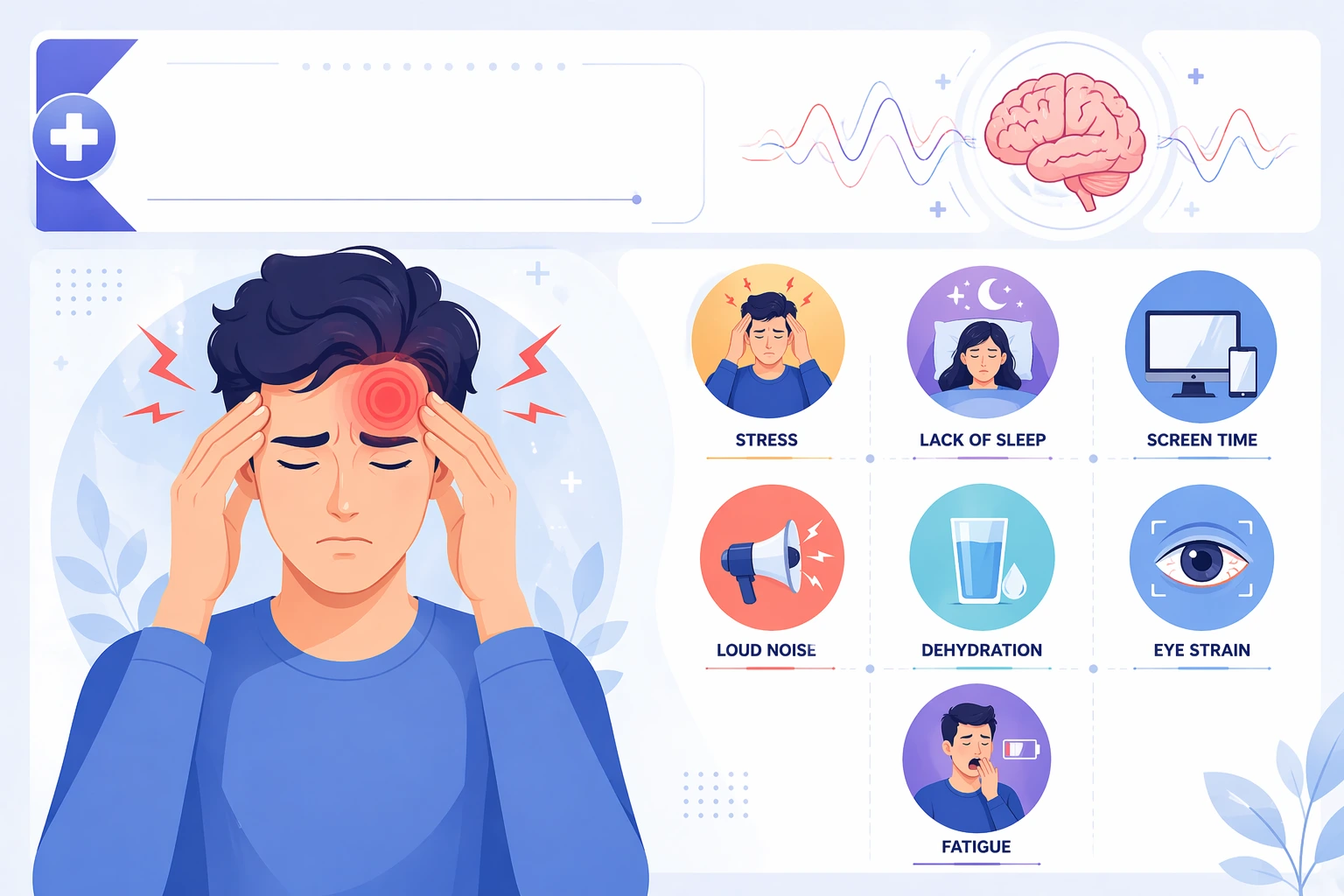
Headache disorders develop from a combination of internal and external factors. Understanding what triggers them is the first step toward effective prevention.
Common causes include:
- Chronic stress and anxiety
- Inadequate or disrupted sleep
- Dehydration
- Hormonal fluctuations
- Poor posture
- Prolonged eye strain from screens
Key risk factors include:
- A family history of headache disorders
- Unhealthy lifestyle habits such as irregular sleep or poor diet
- Underlying neurological or systemic conditions
Emotional instability and certain medications used to treat mood conditions can also precipitate headaches. Anxiety disorders and chronic stress are particularly notable contributors. Identifying personal triggers is essential for reducing the frequency of attacks.
Diagnosis and Tests for Headache Disorders
A thorough diagnosis begins with a detailed medical history review. Your doctor will ask about the nature of your symptoms, how often they occur, and what tends to trigger them.
Common diagnostic methods include:
- Physical and neurological examinations
- Imaging tests such as MRI or CT scans to rule out structural abnormalities
- Laboratory tests to exclude infections or metabolic causes
- Headache diaries to identify patterns and triggers over time
Mental health evaluations may also be included, particularly when headaches appear alongside mood symptoms. Conditions such as depression can both trigger and worsen headache disorders, making an integrated assessment important. An accurate diagnosis prevents unnecessary medication use and ensures the most appropriate treatment plan.

Headache Disorders Treatment
Treatment depends on the type of headache, its frequency, and its underlying cause. Most people benefit from a combination of medication and lifestyle modifications.
Medications
- Over the counter pain relievers such as paracetamol or ibuprofen for mild to moderate headaches
- Migraine specific medications, including triptans or anti nausea drugs
- Preventive medications for individuals with chronic or frequent headaches
Lifestyle Adjustments
- Maintaining a consistent sleep schedule
- Drinking adequate water throughout the day
- Managing stress through relaxation techniques
- Identifying and avoiding known personal triggers
Mental Health Support
Therapeutic support, including cognitive behavioural therapy, can be especially beneficial for those whose headaches are tied to emotional stress or mood instability. Managing underlying insomnia and sleep disruptions may also reduce headache frequency. All treatment decisions should be guided by a qualified healthcare professional.

FAQS
What exactly is a headache disorder?
A headache disorder is a medical condition characterised by recurring or persistent head pain that impacts daily functioning. These disorders include tension type headaches, migraines, cluster headaches, and secondary headaches caused by underlying conditions. They differ from occasional, one off headaches in their regularity and severity.
What are the most common types of headache disorders?
The most common types are tension type headaches, which cause dull, pressure like pain; migraines, which produce severe throbbing pain often with nausea and light sensitivity; and cluster headaches, which are intensely painful episodes occurring in cyclical patterns. Secondary headaches, caused by other medical conditions, are also frequently seen.
What triggers headache disorders?
Common triggers include stress, poor sleep, dehydration, hormonal changes, eye strain, and poor posture. Certain foods, alcohol, strong smells, and bright lights can also provoke episodes. Identifying personal triggers through a headache journal is one of the most effective prevention strategies.
When should I see a doctor about my headaches?
You should seek medical attention if your headaches are sudden and severe, occur more than 15 days a month, are worsening over time, or are accompanied by symptoms such as vision changes, confusion, weakness, or fever. A healthcare professional can rule out serious underlying causes and recommend appropriate treatment.
Can headache disorders be permanently cured?
Many headache disorders cannot be permanently cured but can be effectively managed. With the right combination of medication, lifestyle adjustments, and trigger avoidance, most people significantly reduce the frequency and severity of their headaches. Preventive strategies and regular medical reviews play a key role in long term management.
Are headache disorders linked to anxiety or depression?
Yes, there is a well established bidirectional relationship between headache disorders and mood conditions such as anxiety and depression. These conditions share overlapping neurological pathways, and each can worsen the other. Treating both the headache disorder and the associated mood condition together typically leads to better outcomes.
What tests are used to diagnose headache disorders?
Diagnosis typically begins with a detailed medical history and physical examination. Doctors may also order MRI or CT scans to rule out structural problems, blood tests to exclude infections or metabolic causes, and may recommend keeping a headache diary. A psychological assessment may be conducted if mood disorders are suspected.
Can lifestyle changes reduce headache frequency?
Yes, lifestyle modifications can have a significant impact. Maintaining a regular sleep schedule, staying well hydrated, managing stress, eating a balanced diet, and exercising regularly are all effective measures. Avoiding known personal triggers and limiting caffeine or alcohol intake can also help reduce headache episodes considerably.
What is medication overuse headache?
Medication overuse headache, also known as rebound headache, occurs when pain relief medications are taken too frequently, typically more than 10 to 15 days per month. Over time, the brain becomes dependent on the medication, causing headaches to worsen. Managing this requires a gradual reduction of the overused medication under medical supervision.
How does Symptoms Finder help with headache disorders?
Symptoms Finder provides a comprehensive symptom checker tool that helps you identify potential headache types based on your reported symptoms. It offers detailed condition guides, helping you understand your symptoms before consulting a doctor. Early awareness through tools like Symptoms Finder supports faster diagnosis and more effective treatment outcomes.