
Insomnia (Sleep Disorder)
Overview
Insomnia is a condition that has a negative effect on your ability to sleep, including falling asleep, staying asleep, or waking up and getting back to sleep. This can be for several nights or for months. Insomnia can make you feel sleepy during the day, even if you’ve had plenty of time in bed. How do you know if you have insomnia? If you have a hard time falling or staying asleep for at least three nights per week and it’s interfering with your life, you could have insomnia. It’s one of the most prevalent sleep disorders globally. It can impact attention, mood, memory and health. Some cases are temporary. Other cases are ongoing and require treatment.

What Is Insomnia?
Insomnia is a recurring sleep problem. It may be trouble sleeping at night, waking frequently, or waking up too early. It can also be found in all ages. It’s normal to have some sleep problems. But if you have trouble sleeping often, it might be insomnia. Chronic insomnia is when it lasts for over three months. Acute insomnia can be a few days or weeks. The opposite of insomnia is hypersomnia. Hypersomnia can be excessive daytime sleepiness or excessive sleep.
Types of Insomnia
Acute Insomnia
Acute insomnia is short term. It may begin with stress, travel or life events. It may improve without treatment.
Chronic Insomnia
Chronic insomnia lasts for months. It occurs at least three nights a week. This type may impact work and health.
Sleep onset insomnia
This type onset insomnia fall asleep. You may take hours to fall asleep.
Sleep Maintenance Insomnia
This leads to numerous awakenings during sleep. This is also a common type.
Early Morning Awakening Insomnia
This involves waking up too soon and being unable to go back to sleep.
Symptoms of Insomnia
Insomnia symptoms include:
- Trouble falling asleep
- Waking often at night
- Waking too early
- Feeling tired after sleep
- Daytime sleepiness
- Poor concentration
- Irritability
- Low energy
- Anxiety about sleep
- Memory problems
People want to know, how do I know if I have insomnia? If you’ve been experiencing these symptoms for weeks and they’re interfering with your life, talk to your doctor.

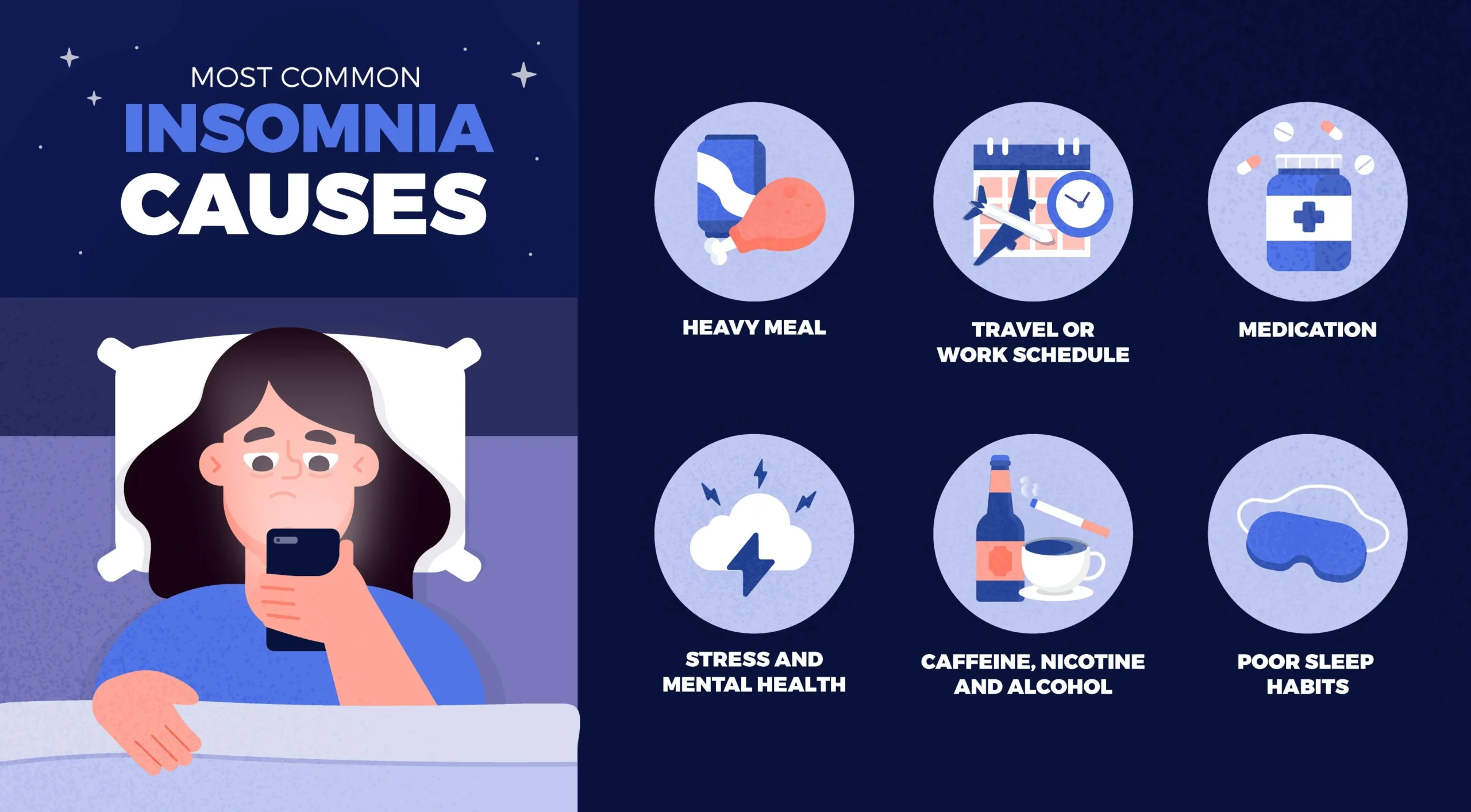
Causes and Risk Factors of Insomnia
Stress
Stress related to employment, family and other life stressors can disrupt sleep.
Mental Health Conditions
Insomnia is often caused by anxiety and depression.
Medical Conditions
If you have pain, asthma, acid reflux, thyroid problems or a neurological condition, it can affect your sleep.
Sleep Schedule
Insomnia can be caused by poor sleeping patterns, computer use and caffeine.
Hormonal alterations
Pregnancy, menopause and periods can impact sleep.
Drugs
Some drugs make it harder to sleep.
Allergies to food
Some people are allergic to certain foods and get indigestion or breathing problems at night. This can make it harder to fall asleep.
Diagnosing Insomnia Tests for Insomnia
Insomnia diagnosis is based on sleep and medical history.
Sleep History: Doctors ask when you go to bed, when you wake up and how many times.
Sleep Diary: A diary helps to identify patterns.
Physical Exam: This helps rule out medical causes.
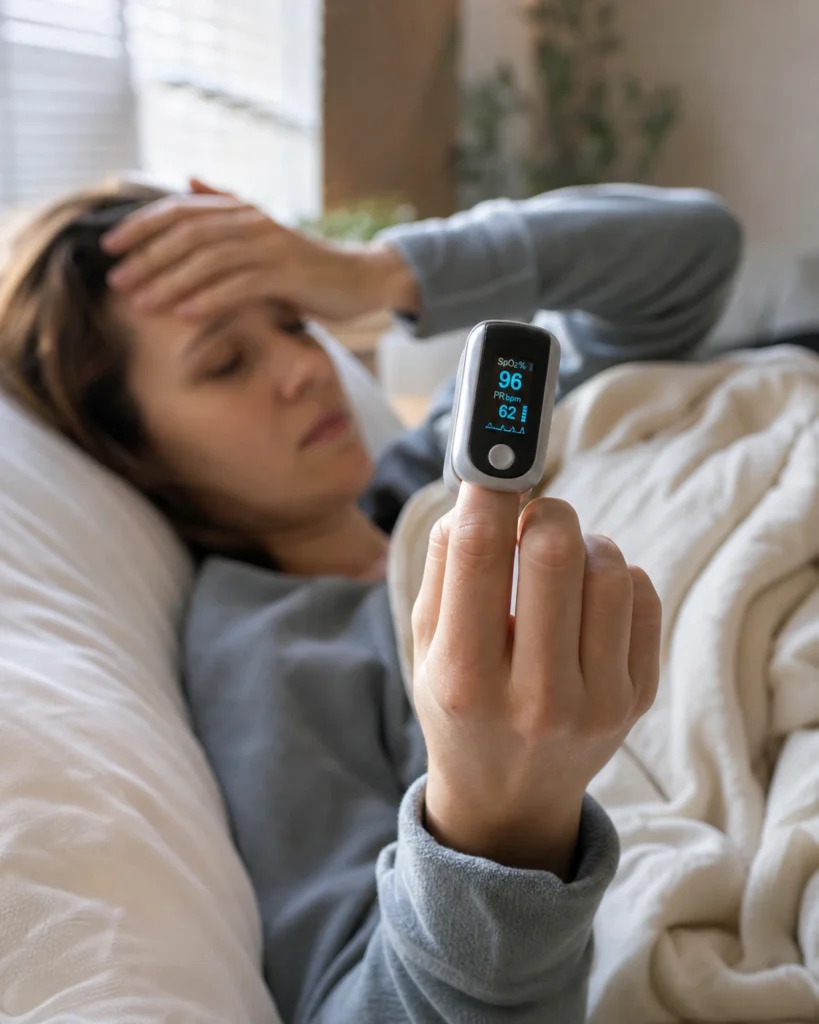
Sleep Study: A sleep study may be required if another sleep problem is suspected.
Scales and Tests: Your doctor may administer sleep questionnaires and scales.
ICD 10 Code for Insomnia
The ICD 10 code for insomnia is G47.0. This code is used for medical documentation, billing and tracking of the diagnosis. Some related codes include: F51.01 Primary insomnia; G47.00. Unspecified insomnia
Treatment for Insomnia
- Sleep Hygiene
- Cognitive Behavioral Therapy (CBT I)
- Medicines
- Relaxation Therapy
- Lifestyle Changes
Living With Insomnia
Insomnia can impact work, school and relationships. Managing routines is important. Try to: Keep a fixed sleep schedule. Avoid heavy meals before bed. Create a dark sleeping space. Avoid alcohol before sleep. Pregnant women with insomnia should consult with a health professional before taking sleeping pills.
Complications of Insomnia
Insomnia can lead to complications if not treated.
Common complications include:
- Depression
- Anxiety
- High blood pressure
- Heart disease
- Weight gain
- Weak immunity
- Poor memory
- Car accidents
- Chronic sleep deprivation raises health risks.

FAQS
How do I know if I have insomnia?
Insomnia might be the cause if you frequently have trouble falling asleep, wake up several times a night, or wake up too early and can’t fall back to sleep. You may feel sleepy or moody or find it hard to concentrate throughout the day. If you have trouble sleeping for weeks and it interferes with your life, you may have insomnia. Your doctor can diagnose it.
What is the opposite of insomnia?
The opposite of insomnia is hypersomnia, where someone sleeps too much or is excessively sleepy during the day. Hypersomnia is not about not being able to sleep but about sleeping too much or being sleepy during the day. It might interfere with work, education and other daily activities. If it continues, you might want to see a doctor.
Will my insomnia go away?
Acute insomnia may improve when the cause, such as stress and anxiety, passes. But chronic insomnia can last for months or even years. Good sleep hygiene and coping strategies for stress can help you sleep better. Treatment with therapy or medication is sometimes needed.
Can I have insomnia during pregnancy?
Unfortunately, yes, due to hormonal changes, discomfort and anxiety. It’s hard to sleep when you are pregnant, especially at the end of pregnancy. Sleep may also be disturbed by frequent urination, back pain and anxiety. Usually goes away after pregnancy.
What is the ICD 10 code for sleeplessness?
ICD 10 code for insomnia is G47.0. Medical practitioners use this code to diagnose sleep disorders. It can also be used to bill insurance companies. The code will be dependent on the specific diagnosis of insomnia.