
Juvenile Arthritis
Overview
Juvenile arthritis is an inflammatory disease that occurs in children below the age of 16. It brings pain, swelling and stiffness to the joints. The most widespread one is juvenile idiopathic arthritis (JIA), formerly known as juvenile rheumatoid arthritis. Symptoms persist for a few months in a few children. In some, the condition persists into adulthood. Early treatment and diagnosis enhances movement, decreases pain, and minimises chances of damaging the joint. Juvenile arthritis is not equal to adult arthritis. The immune system of a child attacks normal joint tissue accidentally. This causes inflammation, pain and stiffness. It can involve a single or multiple joints. There are also some forms that influence the eyes, skin and internal organs. This is the reason why medical care is to be initiated early.

What Is Juvenile Arthritis?
There is no single disease called juvenile arthritis. It is a cluster of autoimmune disorders that lead to inflammation of the joints in children. The term encompasses various types of arthritis, which begin prior to the age of 16 and persist over six weeks. The term juvenile rheumatoid arthritis is still used by many, yet doctors prefer to use the term juvenile idiopathic arthritis . Idiopathic means that the cause is not known. Age and pattern of the disease are the differences between juvenile arthritis and rheumatoid arthritis. Juvenile arthritis begins in childhood. Rheumatoid arthritis typically occurs in adults. They are both autoimmune diseases, although their symptoms and complications may vary.
Juvenile Arthritis Types
Pauciarticular juvenile rheumatoid arthritis
This is also referred to as oligoarticular JIA. It involves four or fewer joints. It is the prevalent type. Big joints such as knees and ankles are commonly affected.
Polyarticular Juvenile Arthritis
Five or more joints are affected by this type. It can be small joints of the hands and feet. It may mimic adult rheumatoid arthritis.
Systemic Juvenile Arthritis
It is a type that involves the entire body. It brings fever, rash and inflammation of the joints. There can also be internal organs involved.
Juvenile Psoriatic Arthritis
Juvenile psoriatic arthritis is a combination of psoriasis and arthritis. Children can acquire swollen fingers, patches on the skin, or changes in nails.
Enthesitis Related Juvenile Arthritis
This influences sites where tendons are connected to bones. It can result in pains in heels, knees or hips.
Undifferentiated Juvenile Arthritis
This form is not easily classified as one.
Juvenile Arthritis Symptoms
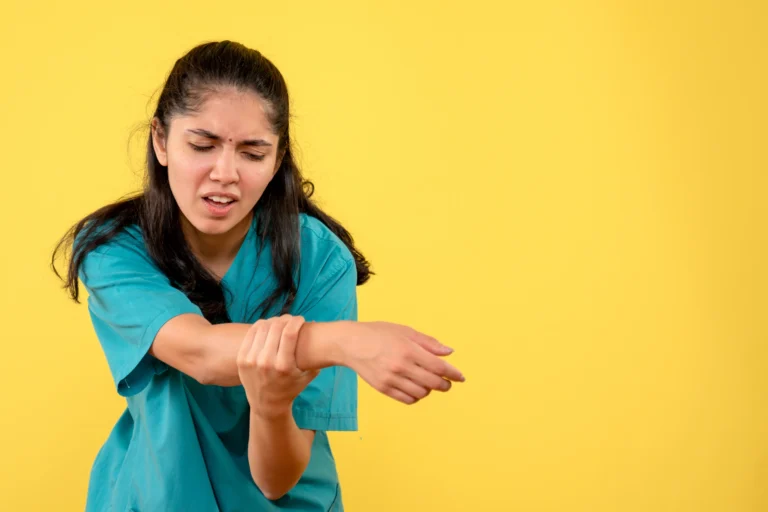
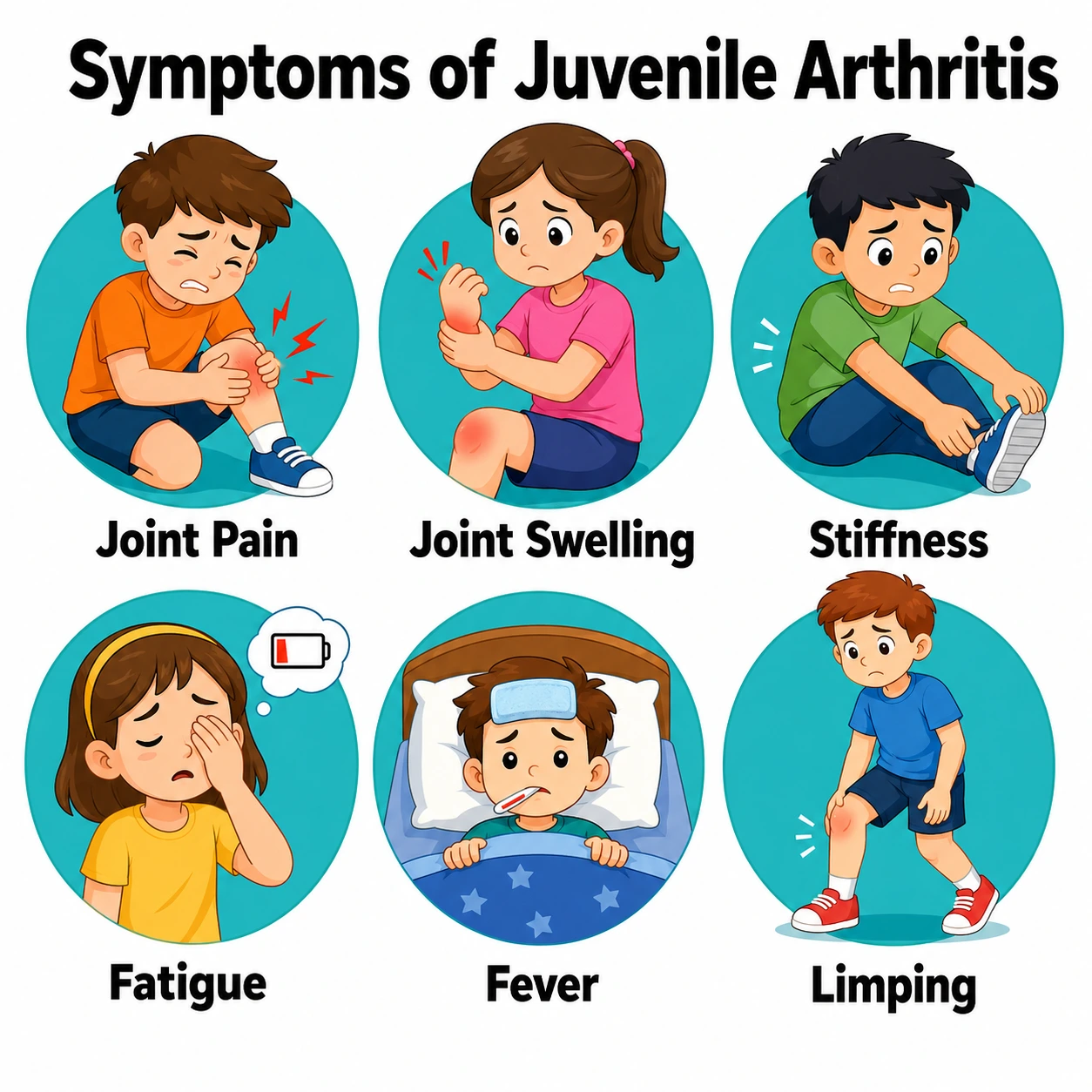
The symptoms of juvenile arthritis can have a slow onset. Other children have an onset of symptoms abruptly. Pain in the joints is not unusual, and young children might not give clear explanations. In the morning a child can limp. Post sleep stiffness is a normal occurrence. The swollen joints can be either warm or appear bigger than normal. A great number of children become fatigued and not as active as usual.
Common symptoms include:
- Joint pain
- Joint swelling
- Morning stiffness
- Reduced movement
- Limping
- Warm joints
- Fatigue
- Fever
- Skin rash
- Loss of appetite
- Swollen lymph nodes
Juvenile rheumatoid arthritis induced uveitis is also developed by some children. This is inflammation of the eye which might harm vision.
Arthritis in the eye, juvenile arthritis, is another related condition. There is usually no early warning of it.
Causes and risk factors of juvenile arthritis
It is unclear what the exact cause is. Juvenile arthritis occurs when the immune system attacks normal tissue. Doctors think that genetics and environmental stimuli are a factor. The immune response may also be triggered by infections.
Possible causes include genetic factors, immune system changes, viral infections, and environmental triggers.
Risk factors include: Autoimmune disease in the family, Female gender, previous immune disorders. Girls are more likely to have some forms.
Test and Diagnosis Juvenile Arthritis
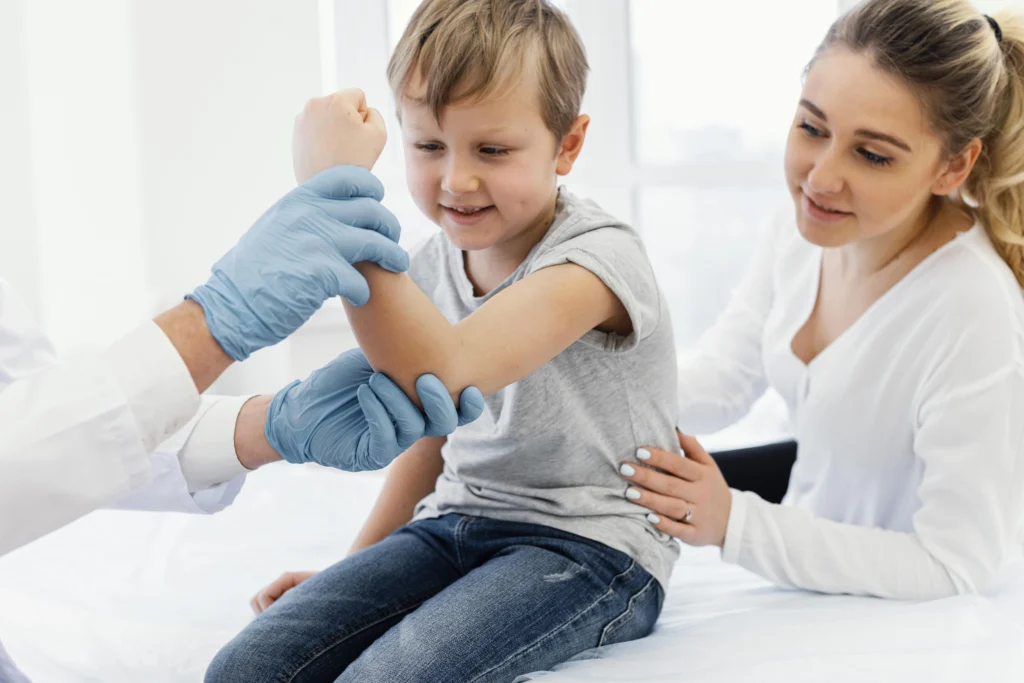
Juvenile arthritis can be difficult to diagnose because there is no single test to confirm it. Doctors usually start with a physical examination and ask about joint pain, stiffness, swelling, and family medical history. Blood tests such as ESR and CRP are used to measure inflammation, while ANA, rheumatoid factor, and anti CCP can help identify the type of arthritis. ANA positivity may also increase the risk of eye problems. Imaging tests like X rays, MRI, and ultrasound help doctors check for joint damage and rule out other conditions such as fractures or infections. In addition, children with juvenile arthritis should have regular eye examinations because uveitis, a common complication, can develop without symptoms and may affect vision if left untreated.
Juvenile Arthritis ICD 10 Code.
The type of juvenile rheumatoid arthritis ICD 10 code is based on the type.
The general type is
M08 Juvenile arthritis
Examples:
M08.0 Juvenile rheumatoid arthritis.
M08.3 Juvenile polyarthritis
M08.4 Pauciarticular juvenile arthritis
M08.9 Juvenile arthritis, unspecified.
When typing in the ICD 10 code for juvenile rheumatoid arthritis, the following codes can be used to diagnose and bill:
Juvenile Arthritis Treatment
Symptoms are controlled by treatment, but there is no cure. The aim is to alleviate discomfort and preserve joints and normal growth. Medicines to Treat Juvenile Rheumatoid Arthritis.
Medications used to treat juvenile arthritis usually contain: NSAIDs. These decrease pain and swelling. Examples: Ibuprofen, naproxen, and DMARDs.
Living With Arthritis in Children.
Juvenile arthritis can be a difficult thing to live with, yet lots of children remain active. Frequent movement will minimise stiffness. Flexibility is enhanced through low impact exercise.
Helpful habits include: Daily stretching, healthy sleep, a balanced diet, physical therapy, eye checkups, and a medicine routine. The school support can also come to the rescue. Certain children require classroom accommodations. A lot of parents pose the question of juvenile arthritis life expectancy. In the majority of cases, the life expectancy is normal. Early intervention enhances good prognosis. Symptoms grow out of some children. Others progress to juvenile rheumatoid arthritis in adults.
Juvenile Arthritis Complications
Juvenile arthritis can cause severe issues without treatment. Juvenile arthritis can lead to joint damage. Inflammation in the long term may cause cartilage and bone damage. Problems with Growth due to Juvenile Arthritis. Bone growth can be influenced by inflammation. There are also growth slowing medicines. Arthritis in the eye of the juvenile. Untreated juvenile rheumatoid arthritis uveitis has the potential to cause vision loss.
Emotional Juvenile Arthritis Effects. Mood and confidence may be impacted by chronic pain.

FAQS
What is juvenile arthritis vs rheumatoid arthritis?
Juvenile arthritis begins at the age of less than 16. Rheumatoid arthritis begins in adulthood. Both are characterised by inflammation of joints associated with immunity. Growth and development may be impacted by juvenile arthritis. The growth is not normally impacted by adult rheumatoid arthritis.
Is it possible to persist in adult juvenile rheumatoid arthritis?
Yes. Not all children lose their symptoms when they become adults. This is known as juvenile rheumatoid arthritis in adults. The illness might remain active or recur with years of remission. Long term care might be required.
What is the life expectancy with juvenile arthritis?
A normal life expectancy is seen in most children with juvenile arthritis. Treatment at an early stage is beneficial. Frequent observation reduces the risks of complications. Unattended severe disease can impact the quality of life.
What is juvenile psoriatic arthritis?
Juvenile arthritis, or psoriatic arthritis, is a form of juvenile arthritis related to psoriasis. It brings about joint pains and changes on the skin. The nails can also be thickened or pitted. Early therapy aids in the management of skin and joint symptoms.
What is juvenile rheumatoid arthritis uveitis?
Juvenile arthritis is associated with uveitis, which is inflammation of the eye. It might not have early symptoms. When not treated, it may interfere with vision. Eye tests are necessary.