
Hepatitis (A, B, C)
Overview
A, B, C Hepatitis is a viral infection of the liver. The liver is important in digestion and detoxification. It is not able to perform its functions when inflamed. These infections vary in their modes of transmission, intensity, and chronic impacts. There are numerous enquiries on the distinction between hepatitis A, B and C. Hepatitis A typically is temporary. B and C hepatitis may become chronic and severe. The initial symptoms should be recongnised to avoid complications and irreversible harm.
What Are Hepatitis (A, B, and C)?
Hepatitis is inflammation of the liver. It is commonly brought about by viruses that are called hepatitis A, B and C. All the types have a different way of spreading. Hepatitis A is transmitted by contaminated water or food. Hepatitis B is transmitted using blood and body fluids. Hepatitis C is primarily contracted by exposure to infected blood. Knowing how to get hepatitis A, B or C will minimise risk. There are vaccines against hepatitis A and B. Hepatitis C does not have a vaccine.
Hepatitis (A, B, C) types
Hepatitis A
Hepatitis A tends to be short lived and acute. It is transmitted by spoilt water or food. Lack of hygiene is a predisposing factor. The majority of the individuals heal without permanent harm.a
Hepatitis B
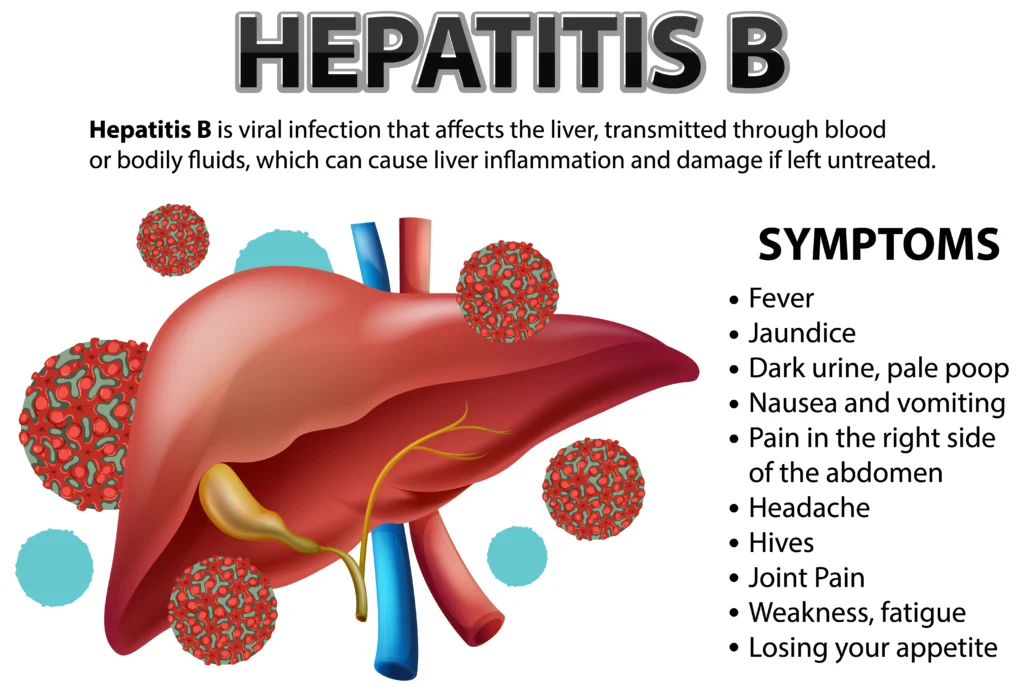
Hepatitis B may be chronic or acute. It is transmitted by blood, sex and childbirth. A long lasting infection can cause liver damage. Vaccination provides good protection.
Hepatitis C
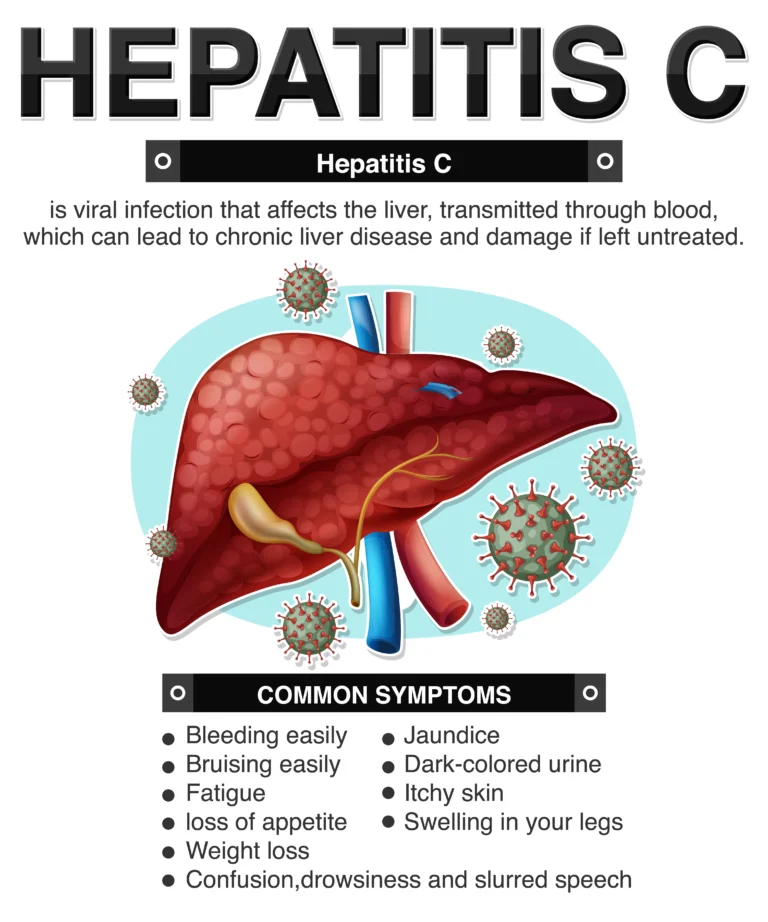
Hepatitis C is not usually acute. It is transmitted primarily by infected blood. There are a lot of cases that are treated without medication. It is capable of causing severe liver illness in the long run.
Hepatitis Symptoms
The initial signs of hepatitis A, B and C can be slight or not noticeable. Other individuals do not exhibit any symptoms.
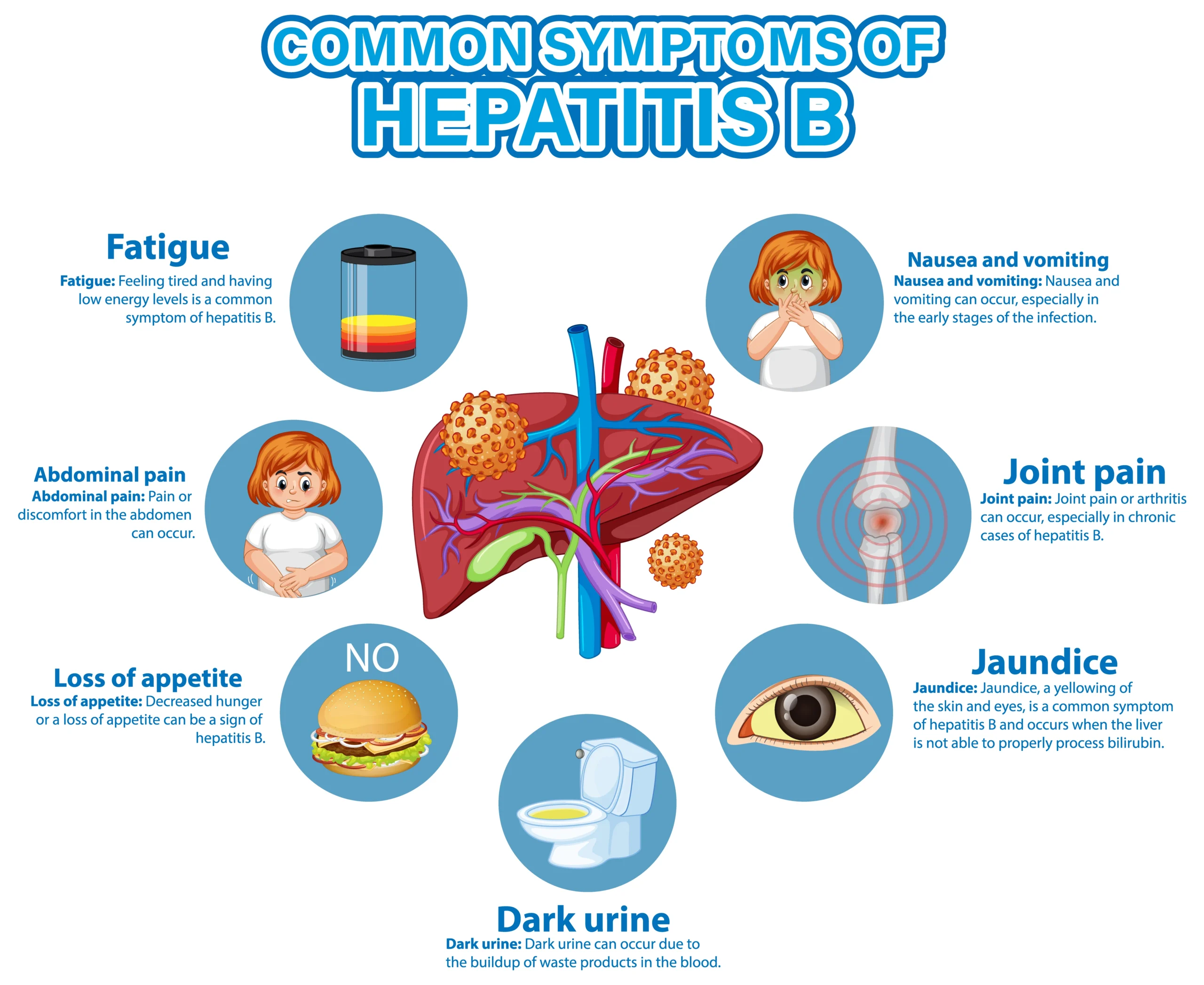
Common signs include:
- Fatigue and weakness
- Loss of appetite
- Nausea and vomiting
- Abdominal pain
- Dark urine
- Skin and eye yellowing (jaundice)
The symptoms could be observed several weeks after infection. Chronic hepatitis can be silent over several years.
Causes and Risk Factors of Hepatitis (A, B, C)
Viral infection is the primary reason. Both types have different routes of transmission. What are the ways of acquiring hepatitis A, B or C?
Risk factors of hepatitis A: Polluted food or water, poor sanitation, and close contact with an infected individual.
Risk factors of hepatitis B: unprotected sexual contact, sharing needles, mothertobaby infection, and blood transfusion (poor conditions).
Risk factors of hepatitis C: Exchanging needles or syringes, Unsafe medical procedures, Blood exposure, Using unsterile instruments to tattoo. Screening should be taken into consideration by highrisk groups.
Tests and Diagnosis of Hepatitis (A, B, C)
Blood tests are used to diagnose hepatitis by doctors. These examinations recognise viral markers and liver performance.
Typical diagnostic techniques are the following:
Liver function tests, Viral antigen and antibody tests, Viral load PCR tests, Liver imaging or ultrasound. Biopsy of liver in complicated cases: complications are prevented through early diagnosis.
ICD10 codes of hepatitis (A, B, C).
The hepatitis conditions fall under the ICD 10 codes. Hepatitis A: B15; Hepatitis B: B16–B19; Hepatitis C: B17.1, B18.2. These codes facilitate billing and medical records.

Hepatitis (A, B, C) Treatment
The type and severity of treatment will depend.
Hepatitis A treatment: Usually supportive care, rest and hydration; none has a definite antiviral treatment.
Hepatitis B treatment: Antiviral medications, regular monitoring, and chronic case management in the long term.
Hepatitis C treatment: Directacting antiviral drugs, Good curing rates with appropriate therapy, Early treatment will avoid liver damage. Do not use alcohol in treatment. Strict medical precautions.
Living With Hepatitis (B, C)
Hepatitis is a disease that needs to be adjusted. A lot of individuals are well taken care of in their normal lives.
Key steps include regular medical checkups, a healthy diet, Avoid alcohol and poisons., Safe measures to avoid contagion: Hepatitis A and B are both vaccinated. Longterm conditions can be assisted with mental support too.
Hepatitis (A, B, C) Complications.
Hepatitis may cause severe problems when it is not treated.
Possible complications include:
- Chronic liver disease
- Liver cirrhosis
- Liver failure
- Liver cancer
Hepatitis B and C have more risks in the long term. The complications are minimised by early care.

FAQS
How do hepatitis A, B and C differ?
Hepatitis A is transmitted by contaminated water and food. Hepatitis B is transmitted by blood and body fluids. The transmission of hepatitis C is primarily via infected blood. A is acute, whereas B and C can be chronic.
What is the way that you can get hepatitis A, B or C?
Hepatitis A is caused by contaminated food or water. Hepatitis B is transmitted via sex, blood or childbirth. Hepatitis C is transmitted by blood contact. One of the risk factors is sharing needles.
Which are the typical symptoms of hepatitis A, B and C?
Such symptoms as fatigue, nausea, and jaundice are common. There are those who might not exhibit early symptoms. The long term infections may remain silent over a period of years. The test is significant to detect at an early stage.
Is hepatitis curable?
Hepatitis A normally goes away. Hepatitis B is a treatable and not always curable disease. Modern treatment of hepatitis C is usually curative. Early diagnosis enhances results.
Is hepatitis preventable?
Yes, it can be prevented. There are vaccines against hepatitis A and B. Safe medical and hygiene practices minimise risk. Share needles and have safe procedures.