
Immune System Disorders
Introduction
The immune system is your body’s defence network. It protects you from bacteria, viruses, fungi, and harmful toxins. It works through white blood cells, antibodies, the lymphatic system, and several organs that all work together. When the immune system is healthy, it identifies threats and removes them before they cause harm.
However, when the immune system malfunctions, immune system disorders can develop. The system may become overactive or underactive or begin attacking the body’s own healthy tissues. Understanding these conditions helps with early detection, better treatment, and improved quality of life for people of all ages.
What Are Immune System Disorders?
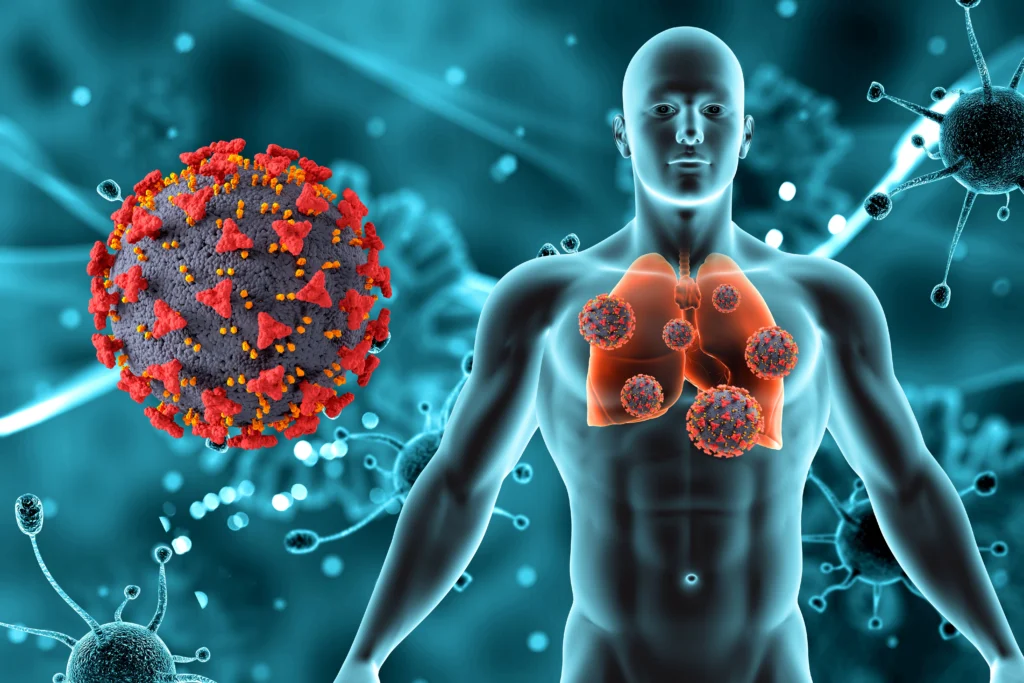
Immune system disorders are conditions in which the immune system does not function as it should. Instead of protecting the body, it either fails to respond to real threats or begins causing harm. Key organs involved include the spleen, thymus, bone marrow, and lymph nodes. Together, these form the lymphatic and immune system network.
When any part of this network breaks down, the immune system becomes compromised. Some immune system disorders are inherited and present from birth. Others develop later in life due to infections, medications, or other underlying illnesses.
Types of Immune System Disorders
Autoimmune Disorders
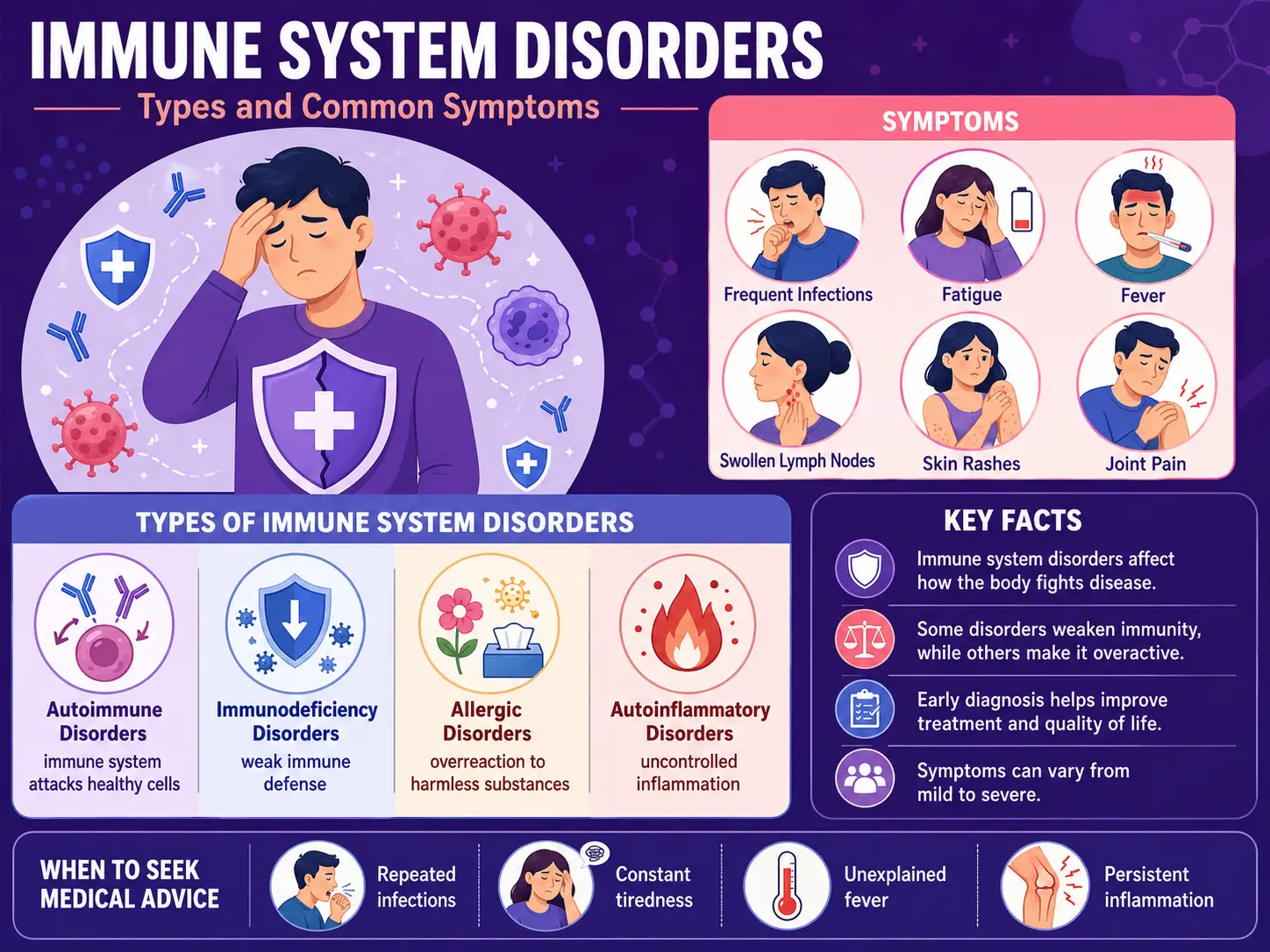
In autoimmune disorders, the immune system is overactive and mistakenly attacks the body's own healthy cells and tissues. Common examples include lupus, rheumatoid arthritis, and type 1 diabetes. These conditions can affect almost any organ in the body.
Immunodeficiency Disorders
These disorders weaken the immune response, making the body vulnerable to frequent infections. Primary immunodeficiency is genetic and present from birth. Secondary immunodeficiency develops later in life, often due to illness or medication. HIV is a well known cause of secondary immunodeficiency.
Allergic Disorders
Allergic disorders happen when the immune system overreacts to normally harmless substances called allergens. Common triggers include food, dust, and pollen. Food allergy reactions are among the most common types of allergic immune system responses.
Inflammatory Disorders
In inflammatory disorders, the immune system triggers persistent inflammation that damages tissues over time. Inflammatory bowel disease is a well known example. Chronic inflammation can eventually affect joints, the digestive tract, skin, and other organs.
Immune System Disorders Symptoms
Symptoms vary depending on the type and severity of the disorder. Some people experience mild symptoms, while others face serious complications. Common signs to watch for include:Frequent or recurring infections
- Slow wound healing
- Fever with no clear cause
- Persistent tiredness or fatigue
- Joint pain and stiffness
- Skin rashes or unexplained inflammation
- Swollen lymph nodes
- Digestive problems
- Breathing difficulties
- Unexplained weight loss
Weak immune systems are prone to infections. Autoimmune diseases can be painful and inflamed. These may affect the skin, lungs, gut or joints.
Causes and Risk Factors of Immune System Disorders
Several factors can cause or increase the risk of developing immune system disorders.
Genetics
Some immune system disorders are inherited. Genetic problems with immune cells can be present from birth. Examples include severe combined immunodeficiency (SCID) and IgA deficiency.
Infections
Viruses such as HIV can damage the immune system by destroying key white blood cells. This significantly raises the risk of developing infections and other illnesses.
Medications
Certain medications, such as chemotherapy drugs and long term steroid use, can suppress immunity. People with fibromyalgia or chronic conditions often use these medications for extended periods, which can gradually weaken immune function.
Lifestyle Factors
Poor sleep, chronic stress, smoking, and an unhealthy diet all negatively impact the immune system. Obesity also promotes inflammation throughout the body. Insomnia in particular is closely linked to reduced immune function, as the body does much of its immune repair during sleep.
Environmental Causes
Long term exposure to certain chemicals or environmental pollutants can lead to immune system dysfunction. These factors may trigger or worsen existing conditions.
Tests and Diagnosis for Immune System Disorders
Several tests are used to diagnose immune system problems. A doctor will recommend the right tests based on your symptoms and medical history.
Blood Tests
Blood tests measure the number of white blood cells and antibody levels. They give a broad picture of how well the immune system is functioning.
Antibody Testing
These tests check how well the immune system responds to vaccines. A poor response can be an early sign of an immune problem.
Allergy Testing
Skin prick tests and food allergy blood tests help identify allergens that trigger immune reactions.
Genetic Testing
Genetic tests can detect inherited immune disorders. This is especially useful in children with recurrent or unexplained infections.
Imaging Tests
X rays or CT scans may reveal infections, enlarged lymph nodes, or organ damage caused by an immune disorder.
Immune System Disorders Treatment
Treatment depends on the specific disorder and its underlying cause. Most conditions can be managed effectively with a combination of medical and lifestyle approaches.
Medications
Doctors may prescribe steroids or immune suppressing drugs to reduce inflammation in autoimmune conditions. These help control symptoms and prevent further tissue damage.
Immunoglobulin Therapy
Intravenous immunoglobulin (IVIG) therapy is used for patients with immunodeficiency disorders. It increases antibody levels and strengthens the body’s defence against infections.
Antibiotics
For patients who experience frequent bacterial infections due to a weakened immune system, antibiotics may be prescribed on a regular basis.
Allergy Treatments
Antihistamines are used to reduce common allergy symptoms. For severe allergic reactions, epinephrine (an adrenaline injection) may be needed as emergency treatment.
Bone Marrow Transplant
In cases of serious genetic immune disorders, a bone marrow transplant may be recommended. This procedure replaces damaged immune cells with healthy ones from a donor.

FAQS
What are immune system disorders?
Immune system disorders are conditions in which the immune system does not function normally. It may be too weak to fight infections, or it may attack the body’s own healthy tissues. These disorders affect the body’s ability to respond to illness and injury.
What causes immune system disorders?
They can be caused by genetic factors, viral infections such as HIV, long term use of certain medications, poor lifestyle habits, or exposure to environmental toxins. Some people are born with immune disorders, while others develop them over time.
Can immune system disorders be cured?
Many immune system disorders can be effectively treated and managed. Treatment relieves symptoms and helps prevent complications. Some genetic conditions may require specialist care or procedures such as bone marrow transplants.
What foods support a healthy immune system?
Foods rich in vitamins and minerals are most beneficial. Eating plenty of vegetables, fruits, nuts, and lean protein helps support immune function. Staying well hydrated is also essential for overall immune health.
Are food allergies a type of immune system disorder?
Yes. Food allergies are caused by an overreaction of the immune system to specific proteins in certain foods. They are classified as a type of immune system disorder involving excessive immune response.
What is the difference between immunity and immunodeficiency?
Immunity is the body’s ability to recognise and fight disease. Immunodeficiency is a condition in which the immune system is too weak to do so effectively. People with immunodeficiency are at a higher risk of serious and recurring infections.
Can stress affect the immune system?
Yes. Chronic stress raises levels of cortisol, a hormone that suppresses immune activity. Over time, high stress can make the body more vulnerable to infections and may worsen existing immune conditions.
Are immune system disorders hereditary?
Some are. Primary immunodeficiency disorders, such as SCID and IgA deficiency, are passed from parents to children through genes. Others develop later in life without any family history.
How are immune system disorders diagnosed?
Diagnosis typically involves blood tests, antibody testing, allergy skin tests, genetic testing, and imaging such as X rays or CT scans. A doctor will select the most appropriate tests based on your specific symptoms.
When should I see a doctor about my immune system?
You should speak to a doctor if you experience frequent infections, wounds that heal slowly, persistent fatigue, unexplained rashes, or any symptoms that keep returning without a clear cause. Early assessment and testing can identify problems before they worsen.